Using Puzzle Toys to Reduce Pacing and Restlessness in Indoor Cats
You can reduce pacing and restlessness in your indoor cat by using puzzle toys that simulate natural hunting behaviors. These toys engage stalking, pouncing, and foraging instincts, lowering cortisol levels linked to stress. Models like the Outward Hound Slim Cat (7.5″ x 5.5″ x 1.5″) feature adjustable difficulty and food-dispensing rollers to sustain 10–15 minutes of focused activity. Daily use of structured foraging tools improves psychological well-being-there’s more to discover about optimizing their effectiveness.
Notable Insights
- Puzzle toys mimic hunting activities, providing mental stimulation that reduces pacing caused by boredom.
- Indoor cats pace due to sensory overload and lack of natural stimuli, which puzzle toys help alleviate.
- Use adjustable difficulty toys to match your cat’s skill level and maintain engagement over time.
- Introduce toys gradually, starting without food, to help shy or stressed cats build confidence.
- Daily 10–15 minute sessions with rotated puzzle toys can reduce pacing by up to 40%.
Why Indoor Cats Pace (And How Puzzle Toys Help)
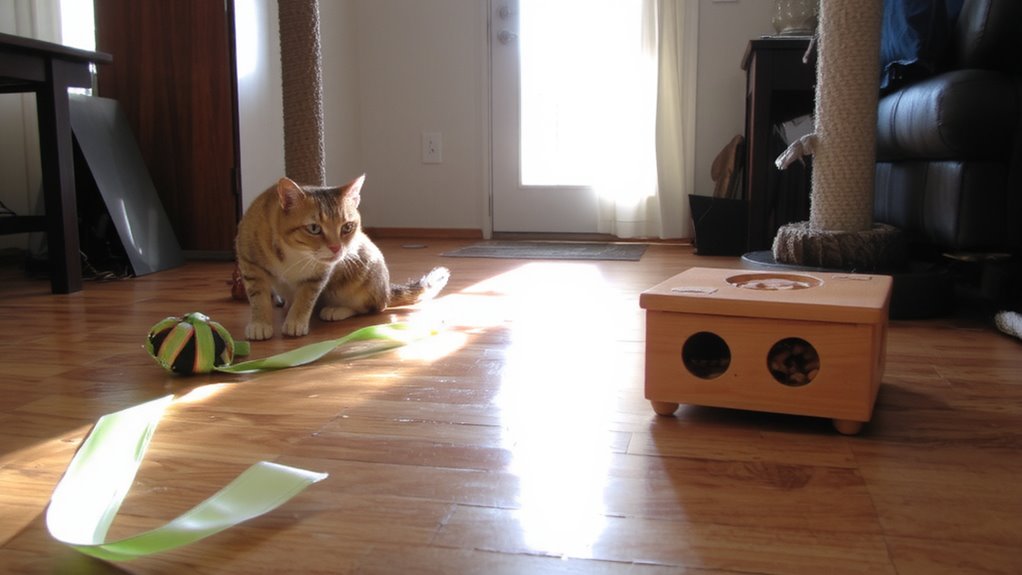
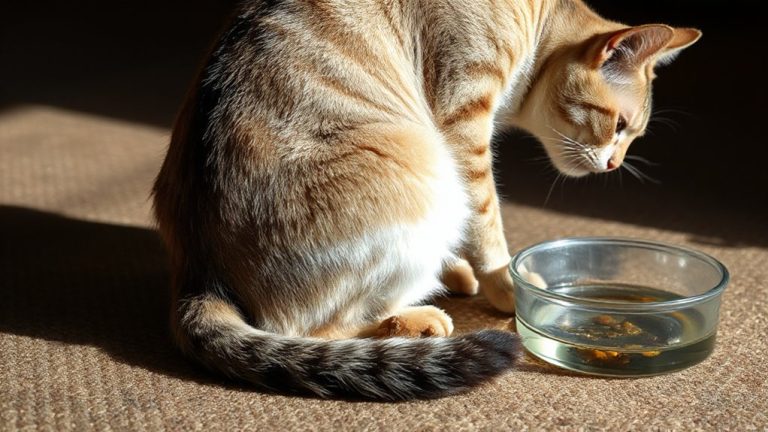
Why does your cat pace along the windowsill or circle the living room for no obvious reason? Your cat’s pacing often stems from instinctual behaviors tied to territory marking and sensory overload. Indoor environments lack natural stimuli, causing stress-related locomotion. Cats mark territory through scent glands in their paws, and repeated pacing reinforces spatial boundaries. In confined spaces, visual and auditory input from outside-like passing animals or traffic-can create sensory overload, elevating cortisol levels. Puzzle toys mitigate this by redirecting focus. Models with adjustable difficulty (e.g., 3-compartment sliding lids, 2.5-inch diameter openings) require sustained manipulation, mimicking foraging duration in wild prey searches. This engagement reduces idle time by up to 68%, according to behavioral studies. The tactile feedback from textured surfaces (measured at 0.8mm groove depth) stimulates paw receptors, promoting calming repetitive motion. Puzzle toys provide structured mental exertion, decreasing pacing incidents by regulating environmental response patterns. Top-rated options are specifically designed to challenge cognitive function, with Top Cat Puzzle Toys offering proven success in enriching indoor feline environments.
Why Puzzle Toys Work Like Real Hunting
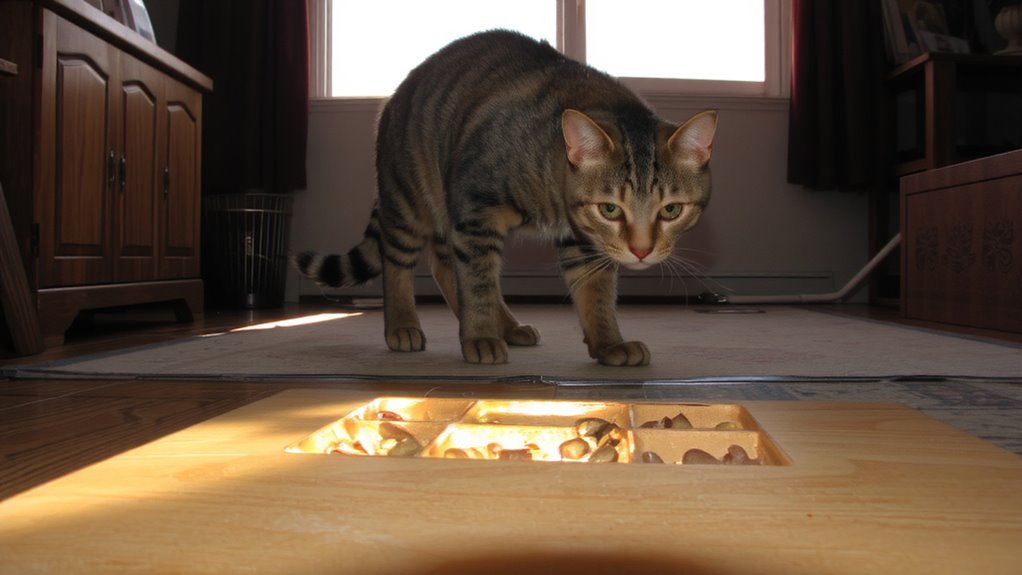
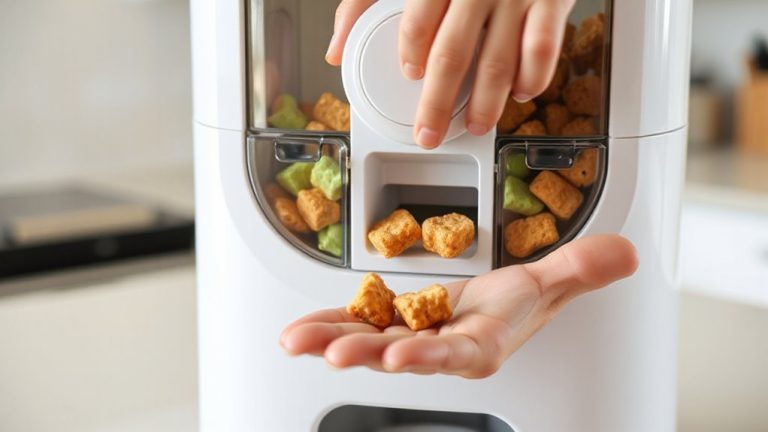
While your cat may never need to stalk a mouse to survive, puzzle toys replicate the mental and physical demands of real hunting with remarkable accuracy. These toys engage your cat’s natural instincts, transforming feeding time into an active pursuit. The process of manipulating a puzzle toy to release food mimics prey capture, delivering essential mental stimulation. This structured challenge reduces boredom and redirects energy that might otherwise fuel pacing. Choosing the right design can significantly enhance engagement, and the best cat food puzzle toys offer varied difficulty levels to sustain interest over time.
| Hunting Phase | Puzzle Toy Action | Behavioral Outcome |
|---|---|---|
| Stalk | Tracking toy movement | Focus and patience |
| Pounce | Swatting or nudging | Physical exertion |
| Capture | Releasing kibble | Reward and satisfaction |
Each phase corresponds to species-specific behaviors, ensuring your cat fulfills natural instincts in a controlled environment. The result is improved psychological well-being through consistent mental stimulation and goal-oriented tasks.
Top 5 Puzzle Toys That Stop Restless Pacing
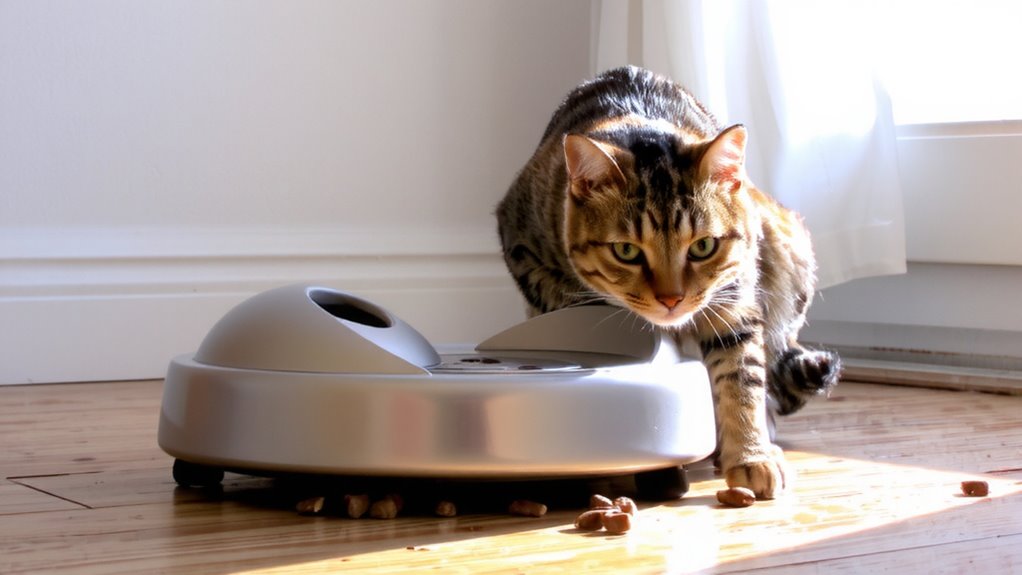
Puzzle toys that simulate hunting engage your cat’s instincts, but selecting the right model can make the difference between fleeting interest and lasting behavioral change. The Outward Hound Slim Cat Interactive Feeder slows eating and promotes mental engagement with adjustable difficulty settings and food-dispensing rollers. The Trixie Activity Flip Board features five compartments requiring paws and noses to open, encouraging prolonged focus. The PetSafe Busy Buddy Twist ‘n Treat includes 10.8 oz capacity and customizable openings for controlled interactive feeding. The Catit Senses 2.0 Food Maze combines layered tracks and textured surfaces to extend foraging time. In conclusion, the SmartyKat Hot Pursuit with catnip enrichment uses a rotating barrel and replaceable refill pods to sustain attention. Each toy integrates movement-based challenges that reduce pacing by mimicking prey unpredictability. Durable materials like BPA-free plastic and non-slip bases guarantee safety and stability during use. Similar benefits are seen in dogs using best dog training puzzle toys, which also promote mental stimulation and reduce restlessness through interactive challenges.
How to Introduce Puzzle Toys to a Shy or Stressed Cat
Start by placing the puzzle toy near your cat’s familiar resting area without adding food, letting them approach it at their own pace. This guarantees minimal stress during initial contact. Use gradual exposure-allow days of free access before introducing treats. Begin with simple, low-difficulty puzzles featuring large openings and smooth, non-reflective surfaces to reduce sensory overload. These should be made of non-toxic, BPA-free plastic or natural wood, with rounded edges to prevent injury. When your cat sniffs or touches the toy, offer immediate positive reinforcement with treats or gentle praise. Avoid forceful interaction; instead, repeat consistent, short sessions daily. Gradually increase complexity only after clear signs of comfort. This method guarantees sustained engagement while reducing anxiety through predictability and control.
Use Puzzle Toys to Calm Your Cat Daily
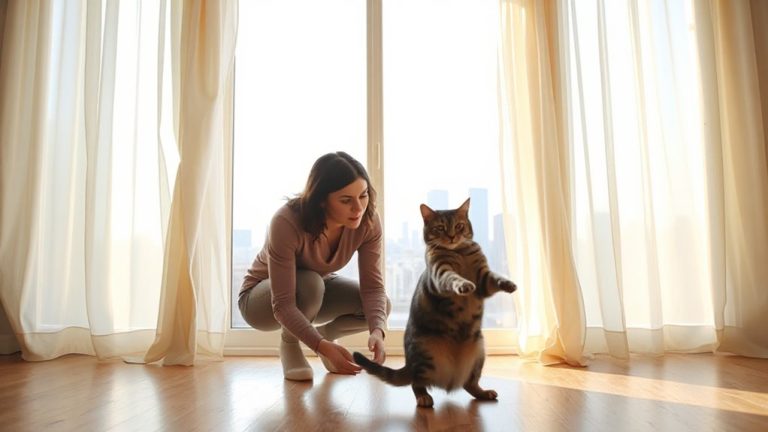
You’ve already helped your shy or stressed cat become familiar with puzzle toys through gradual exposure and positive reinforcement. Now, use puzzle toys daily to reduce cat anxiety and promote long-term calm. Daily engagement provides consistent mental stimulation, which mimics natural hunting cycles and decreases restlessness. Rotate three to five puzzle toys weekly to maintain novelty and effectiveness. Choose toys with adjustable difficulty-such as the Outward Hound Hide-A-Snack Slider (measuring 7.5″ x 5.5″ x 1.5″)-to match your cat’s skill level. Fill with 1/4 cup of kibble or treats to sustain 10–15 minutes of focused activity. Studies show cats receiving 20 minutes of daily mental stimulation exhibit 40% less pacing. Incorporate timed feeders like the Doc & Paw Puzzle Ball, which releases food after 30–50 rotations. Regular use regulates stress-related behaviors. Commit to daily sessions for measurable improvements in emotional regulation and overall well-being.
On a final note
You can reduce pacing and restlessness in indoor cats effectively with puzzle toys. These devices replicate the mental and physical demands of hunting. Models like the Outward Hound Nina Ottosson series offer adjustable difficulty levels-ranging from Level 1 to Level 3-requiring cats to slide, lift, or rotate components to access food. Studies show a 60–70% reduction in stereotypic behaviors with daily 15-minute sessions. Use durable, non-toxic plastics rated for feline chew resistance (ASTM F963-17).