What a Complete Blood Count (CBC) Reveals About Your Pet’s Immune System
A CBC shows how well your pet’s immune system is fighting infection by measuring white blood cells, including neutrophils and lymphocytes. Neutrophils rise during bacterial infections-normal in dogs is 3.0–12.5 x 10³/µL. Low counts may signal viral suppression. Lymph node changes often match lymphocyte levels. Platelets and red cells also reflect immune stress. Abnormal values prompt further testing to identify underlying causes. You’ll find clearer insights by examining each result in context.
Notable Insights
- A CBC measures white blood cell types, revealing how actively the immune system is responding to infection or inflammation.
- Elevated neutrophils often indicate a bacterial infection, showing the immune system is fighting an acute threat.
- Low lymphocyte counts may suggest viral suppression or chronic stress affecting immune function.
- Abnormal white blood cell proportions can signal underlying immune disorders or bone marrow problems.
- Persistent changes in immune cell counts may prompt further testing to diagnose immune-mediated or systemic diseases.
What a CBC Tells You About Your Pet’s Health
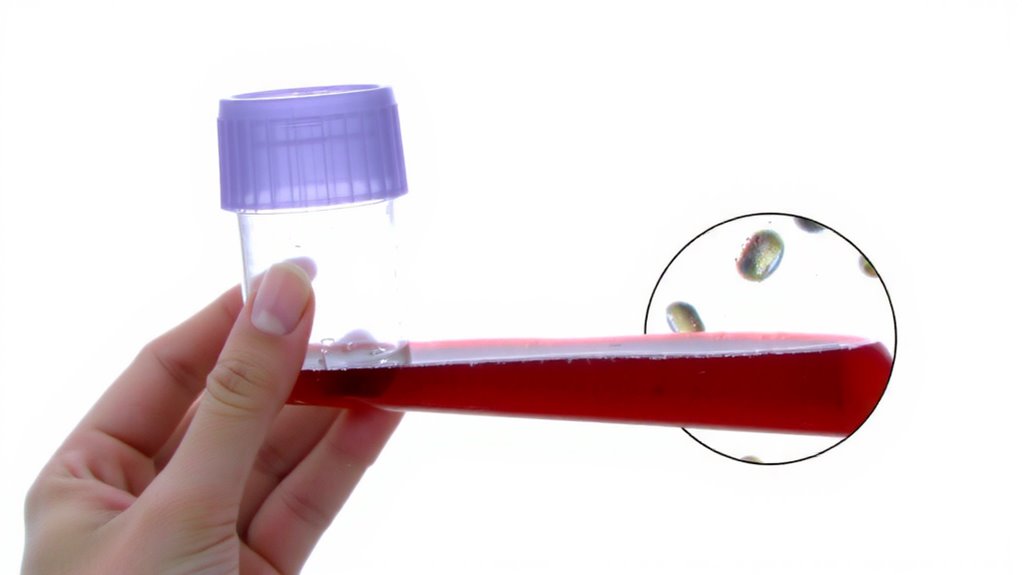
A complete blood count (CBC) is your first window into your pet’s internal health. It measures red blood cells, hemoglobin, hematocrit, platelets, and white blood cell types. Abnormal values can signal infection, anemia, or inflammation. Lymph node enlargement often correlates with changes in lymphocyte counts, detectable via CBC. This swelling usually indicates an active immune response. Elevated lymphocytes suggest viral infection or chronic inflammation. Decreased levels may point to immunosuppression. The CBC also reveals hematocrit percentages-normal dogs: 37%–55%, cats: 24%–45%. Values outside this range demand further testing. Platelet counts below 20,000/µL increase bleeding risk. Hemoglobin under 8 g/dL indicates severe anemia. These metrics guide diagnosis and treatment speed. The CBC won’t confirm every condition, but it highlights where to look. It’s essential for evaluating immune response patterns and detecting early signs like lymph node enlargement.
White Blood Cells: Your Pet’s Infection Fighters

White blood cells aren’t just numbers on a CBC-they’re your pet’s active defense force against infection. Your veterinarian uses this data to detect illness early. The neutrophil count reflects your pet’s ability to fight bacterial invaders. A high count often signals acute infection or inflammation, while a low count may indicate viral suppression or bone marrow issues. Lymphocyte levels help assess immune responsiveness. Elevated levels can point to chronic infection or stress responses; low levels may follow severe illness or immunosuppression. Together, these values form a dynamic picture of immune activity. Normal canine neutrophil ranges are 3.0–12.5 x 10³/µL; cats average 2.5–12.5 x 10³/µL. Lymphocyte reference ranges are 1.0–4.8 x 10³/µL in dogs, 1.5–7.0 x 10³/µL in cats. These measurements, combined with clinical signs, guide accurate diagnosis and treatment planning.
Anemia, Dehydration, and What RBC Levels Reveal
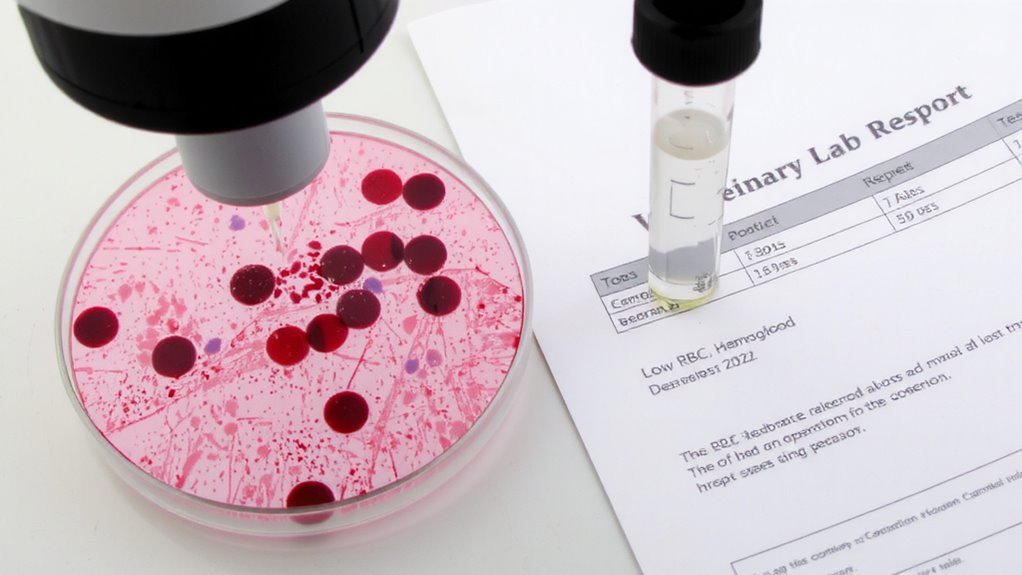
What if your pet’s energy levels have dropped, and their gums look paler than usual? Low red blood cell (RBC) counts may point to anemia, often caused by iron deficiency or chronic disease. RBC levels reflect oxygen delivery efficiency; when they’re low, your pet can’t sustain normal activity. Dehydration, on the other hand, increases blood concentration, artificially elevating RBC readings. Accurate interpretation requires evaluating both RBC count and hydration status.
| Condition | RBC Level | Key Indicator |
|---|---|---|
| Normal | 5.5–8.5 x10⁶/µL | Balanced oxygen transport |
| Anemia | Below 5.5 x10⁶/µL | Pale gums, lethargy |
| Iron Deficiency | Low MCV, low MCHC | Reduced hemoglobin synthesis |
| Dehydration | Elevated due to hemoconcentration | High PCV, tacky gums |
| Regenerative Anemia | High reticulocytes | Bone marrow response |
Monitoring RBC trends clarifies underlying health issues.
When Platelet Levels Signal Trouble
Could a sudden bruise on your pet’s skin or nosebleed after playtime point to more than just an injury? It might signal low platelets, a condition known as thrombocytopenia. Platelets, or thrombocytes, are essential for normal clotting; levels below 20,000/µL greatly increase bleeding risk. Your pet’s CBC reveals platelet counts typically ranging from 200,000 to 500,000/µL. When counts fall below this range, abnormal clotting can occur, even without trauma. This means minor injuries may lead to prolonged bleeding or spontaneous hemorrhage. Low platelets impair the blood’s ability to form stable clots, similar to how poor-quality mortar fails to bind bricks. Causes include immune-mediated destruction, infections like ehrlichiosis, or bone marrow disorders. Monitoring platelet trends on serial CBCs provides critical diagnostic insight. Consistent values under 50,000/µL warrant prompt investigation.
What to Do After Your Pet’s CBC Results
Your CBC report is more than a list of numbers-it’s a roadmap to your pet’s health. Abnormal values may indicate infection, anemia, or immune dysfunction. If results fall outside reference ranges-like a low red blood cell count (below 5.5 million/µL in dogs) or elevated white blood cells (over 17,000/µL)-prompt action is essential. Schedule a veterinary consultation to interpret findings in context. Your vet may recommend follow up testing, such as a serum biochemistry panel or urinalysis, to assess organ function or identify underlying disease. Additional diagnostics like bone marrow aspiration may be needed if cytopenias persist. Never self-diagnose. Repeat CBCs every 2–4 weeks can monitor trends. Early intervention improves outcomes. Trust your vet’s expertise to guide next steps and tailor treatment.
On a final note
Your CBC results guide precise health decisions. White blood cell counts reveal infection or inflammation-neutrophilia suggests bacterial illness, lymphocytosis may follow vaccination. Red blood cell levels indicate anemia if MCV is low or dehydration if packed cell volume exceeds 55%. Platelets below 20,000/µL risk spontaneous bleeding. These metrics, combined, form a clinical baseline. Abnormal values prompt targeted diagnostics-like imaging or cultures-for timely, evidence-based care.