Developing a Progressive Distance-Building Routine for Long-Distance Running With Dogs
Start with 1-mile runs to build endurance safely, increasing distance by 0.5 to 1 mile weekly if no joint stress or fatigue appears. Follow the 10% weekly distance increase rule endorsed by veterinary sports medicine. Use GPS trackers for accuracy. Monitor gait and hydration closely. Puppies under 12 months should run less than 20 minutes; seniors over 7 limit to 3–5 miles. Breed suitability matters-Huskies excel in cool climates, while brachycephalic breeds aren’t suited for long runs. More details on individualized conditioning follow.
Notable Insights
- Start with 1-mile runs to safely build endurance, gradually increasing distance weekly.
- Increase weekly mileage by no more than 10% to prevent overuse injuries.
- Monitor for signs of fatigue like lagging or altered gait during and after runs.
- Use GPS trackers to accurately log distances and maintain consistent progress.
- Ensure joint health and proper gait through veterinary screening before advancing distance.
Is Your Dog Ready to Run Long?
What makes your dog capable of handling long runs? Joint health is critical-dogs need sound hips, knees, and spine to endure repetitive impact. Signs of arthritis or developmental disorders like hip dysplasia disqualify sustained running. You should consult a vet for radiographic screening, especially for predisposed breeds. Gait analysis helps too-it evaluates stride symmetry, footfall timing, and limb coordination. Subtle irregularities may indicate pain or mechanical inefficiency. High-speed video or professional motion analysis systems can detect these deviations early. A balanced gait distributes force evenly across joints, reducing wear. Breeds with proper musculoskeletal conformation-like Border Collies or Weimaraners-typically tolerate distance better. Age matters; avoid long runs until growth plates close (usually 12–18 months). Monitor for stiffness or lagging. These metrics objectively determine readiness-not enthusiasm.
Start With 1-Mile Runs, Add Weekly
Begin with 1-mile runs and add distance weekly to build endurance safely. Gradual progression prevents strain and supports cardiovascular development. Each week, increase your run by 0.5 to 1 mile, provided your dog shows no discomfort. This approach aligns with veterinary sports medicine guidelines for canine conditioning. Weekly milestones help track adaptation and performance. Monitor pace, heart rate recovery, and stride consistency to assess readiness. Most dogs adapt well to a 10% weekly distance increase, mirroring human aerobic training principles. Use a GPS fitness tracker to log exact distances and maintain accuracy. Avoid speeding up before distance goals are met. Focus on consistent effort, not pace. Pavement heat, hydration, and paw condition should be checked before every run. This structured method guarantees safe, measurable progress. Follow these protocols to prepare for longer endurance challenges.
Spot Fatigue Early, Avoid Injury
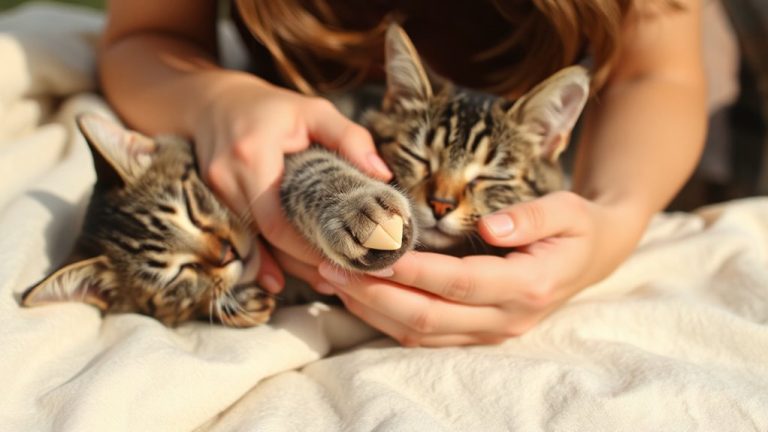
Watch for subtle signs-about 70% of running injuries in dogs stem from overuse and unchecked fatigue. You must monitor your dog closely during and after runs. Slowing pace, lagging behind, or reluctance to continue signals early fatigue. Perform regular gait analysis to detect irregularities like limping or asymmetrical stride patterns; these indicate muscle strain or joint stress. Normal canine stride length varies by breed but deviates under fatigue. Check paw care daily-inspect pads for cracks, blisters, or gravel impaction. Rough terrain accelerates wear. Use a paw balm with shea butter and beeswax to maintain pad elasticity. Moisturized pads resist splitting. Limit consecutive high-mileage days. Allow 48 hours of rest after intense effort to enable tissue recovery. Early intervention prevents chronic conditions. You can’t reverse tendon damage easily-prevention is structural, not reactive. Stay precise, stay proactive.
Match the Plan to Your Dog’s Age and Breed
Your dog’s breed and age dictate the structure of their running regimen-deviating from these parameters risks musculoskeletal strain and premature fatigue. Breed characteristics directly influence stamina, joint resilience, and thermoregulation. For example, Siberian Huskies possess double coats and high endurance, suited for 10+ mile runs in cooler climates, while Bulldogs, brachycephalic by design, struggle beyond short bursts. Account for such differences strictly. Age limitations are equally critical. Puppies under 12 months have developing growth plates; running over 20 minutes risks joint deformation. Senior dogs, typically over 7 years depending on breed, exhibit reduced tendon elasticity and slower recovery. Limit their runs to 3–5 miles max, at lower intensity. Large breeds like Great Danes face higher risk of osteoarthritis; begin with quarter-mile intervals, increasing by no more than 10% weekly. Match progression to physiological readiness, not ambition.
Hydrate Often, Refuel After
Regularly hydrate during runs, especially in temperatures above 68°F (20°C), as dogs lose fluids rapidly through panting and have limited sweat glands. Carry a collapsible water bowl and stop every 20–30 minutes for hydration. Dehydration disrupts electrolyte balance, impairing nerve function and muscle contractions. Electrolyte solutions formulated for dogs-containing sodium, potassium, and chloride-can be added to water during runs exceeding 45 minutes. Avoid human sports drinks; their high sugar and sodium content risks gastrointestinal distress. Within 30 minutes post-run, provide post run snacks rich in protein and complex carbohydrates to replenish glycogen stores. Ideal options include 50–100g of lean cooked chicken with sweet potato, depending on dog size. Monitor capillary refill time and gum moisture to assess hydration status. Consistent fluid intake and proper refueling support endurance, recovery, and metabolic stability in canine athletes. A portable dog water bottle ensures convenient access to water during long-distance runs.
On a final note
You’re now equipped to safely build your dog’s endurance. Start with 1-mile runs, increasing distance by no more than 10% weekly to prevent overuse injury. Monitor for lagging pace or excessive panting-early signs of fatigue. Adjust intensity based on breed-specific limits and age-related stamina. Hydrate every 20 minutes using 4–8 oz of water. Post-run, replenish electrolytes and allow 48 hours of recovery between intensive sessions.