How to Spot Subtle Signs of Malabsorption in Senior Cats
Your senior cat may have malabsorption if they’re losing weight despite a good appetite. Look for pale, greasy stools-signs of fat malabsorption due to low pancreatic enzymes or bile issues. Dull coat, muscle wasting, and lethargy point to nutrient deficits. Low serum albumin or cobalamin levels support the diagnosis. Chronic intestinal inflammation or EPI could be underlying causes. Monitoring these changes closely gives you clearer insight into what might be going on.
Notable Insights
- Unexplained weight loss despite normal or increased appetite may signal malabsorption in senior cats.
- Pale, greasy, foul-smelling stools indicate fat malabsorption due to inadequate enzyme or bile function.
- Increased hunger without weight gain can result from poor nutrient absorption in the small intestine.
- Dull, dry coat and skin changes often reflect deficiencies in fatty acids and fat-soluble vitamins.
- Lethargy, muscle wasting, and reduced activity may stem from protein loss and B vitamin deficits.
What Is Malabsorption in Senior Cats?
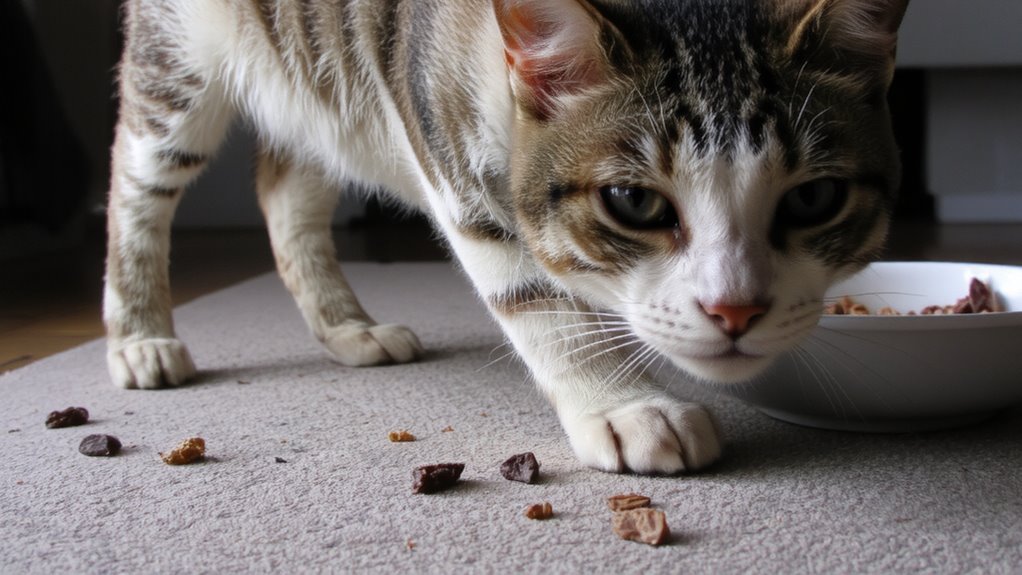
Malabsorption isn’t just a single disease-it’s a breakdown in your senior cat’s ability to absorb nutrients from food in the small intestine. This condition impairs digestion and nutrient uptake, often due to underlying issues like pancreatic insufficiency or intestinal inflammation. Pancreatic insufficiency means your cat’s pancreas doesn’t produce enough digestive enzymes, leading to undigested food passing through the gut. Intestinal inflammation, such as in inflammatory bowel disease, damages the mucosal lining, reducing absorptive surface area. Microscopically, villi become blunted, decreasing nutrient transport efficiency. Conditions like lymphangiectasia or infections can also contribute. The result is poor nutrient assimilation despite normal or increased appetite. Diagnosis involves blood tests, fecal evaluations, and sometimes imaging or biopsies. Treatments target root causes: enzyme supplements for pancreatic insufficiency, anti-inflammatory drugs for intestinal inflammation. Early detection improves outcomes markedly.
Unexplained Weight Loss in Older Cats
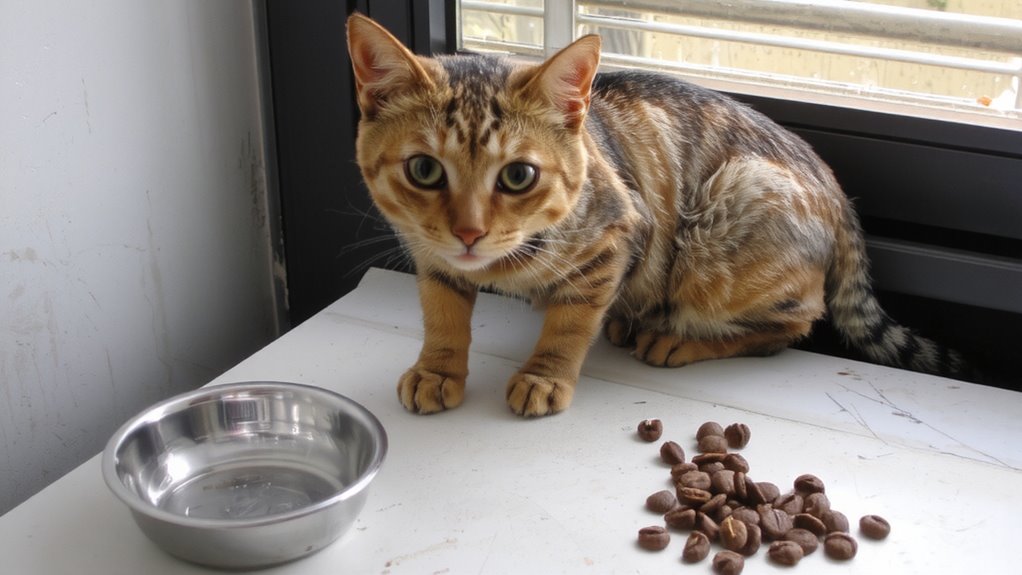
You might notice your older cat getting thinner, even if their appetite seems normal or has increased. Unexplained weight loss is a hallmark sign of malabsorption. Digestive fatigue impairs the gastrointestinal tract’s ability to break down food and absorb nutrients efficiently. Enzyme production declines, and intestinal motility slows, leading to nutrient stagnation-where essential vitamins, fats, and proteins remain trapped in the gut instead of entering the bloodstream. Even with adequate caloric intake, your cat’s body starves at the cellular level. This catabolic state triggers muscle wasting and loss of body mass. Serum albumin levels may drop below 2.5 g/dL, a clinical indicator of chronic protein loss. Weight loss exceeding 10% over six months warrants diagnostic evaluation. Common culprits include chronic enteropathy, exocrine pancreatic insufficiency, or small intestinal bacterial overgrowth-all disrupting nutrient assimilation despite apparent dietary sufficiency.
Increased Appetite but No Weight Gain
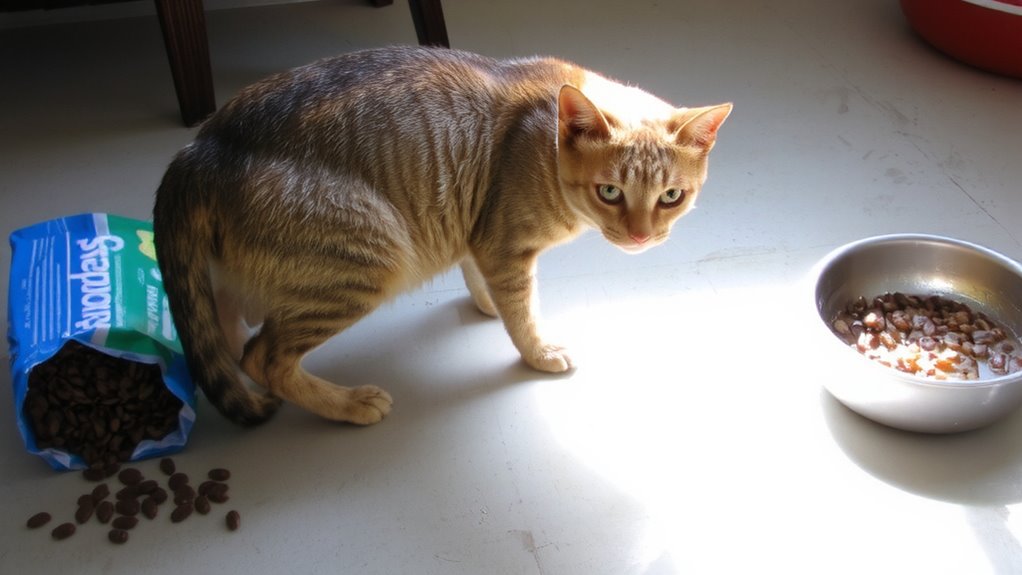
Why does your senior cat seem hungrier than usual yet continue to lose weight or fail to gain any? This paradox often signals malabsorption. Increased appetite without weight gain suggests your cat isn’t retaining essential nutrients. Frequent food cravings may actually be a physical response to nutrient craving-your cat eats more in an attempt to compensate for deficiencies. The gastrointestinal tract fails to absorb fats, proteins, or vitamins despite adequate caloric intake. Conditions like small intestinal bacterial overgrowth (SIBO) or exocrine pancreatic insufficiency (EPI) disrupt digestion. EPI reduces digestive enzyme output by up to 90%, impairing nutrient breakdown. Caloric intake may meet or exceed requirements, yet body condition deteriorates. Serum cobalamin and folate levels often reveal imbalances. Persistent hunger paired with weight loss demands veterinary evaluation. Diagnostic tests like TLI (trypsin-like immunoreactivity) help confirm malabsorptive disorders. Addressing the root cause restores nutrient uptake.
Pale, Greasy Stool and Digestive Changes
What does it mean when your senior cat’s stool looks unusually pale, soft, and greasy? It often signals malabsorption, specifically impaired fat digestion. Changes in fecal consistency-loose, bulky, and foul-smelling-are common. The greasy sheen results from excess fat content in the stool, a condition called steatorrhea. Normally, bile and pancreatic enzymes break down dietary fats for absorption. When this process fails, undigested fats pass into the colon. You might notice it sticks to the litter box or leaves oily residue. High fat content alters stool texture and color, giving it a pale, clay-like appearance. Chronic digestive changes like these indicate the gut isn’t absorbing nutrients properly. Persistent alterations in fecal consistency warrant veterinary testing, including fecal fat analysis and digestive function panels. Do not ignore these signs-they’re measurable indicators of intestinal dysfunction.
Dry, Dull Coat From Nutrient Deficiencies
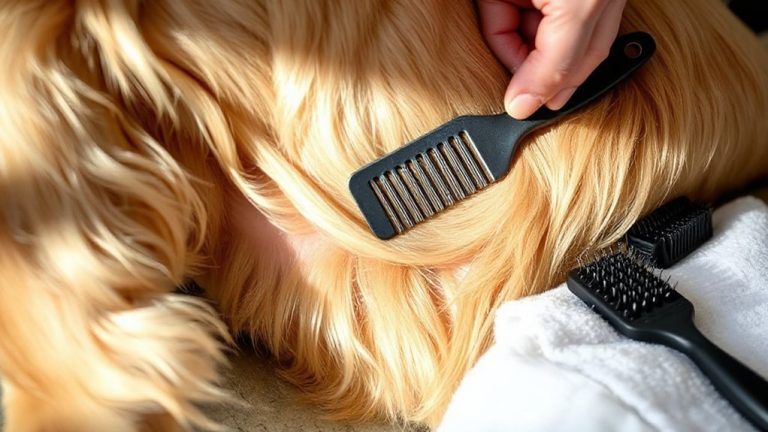
A lackluster coat often serves as an early warning sign of underlying nutrient malabsorption in senior cats. When your cat can’t absorb essential fatty acids, vitamins A, and B-complex, hair quality declines rapidly. You’ll notice coat thinning, reduced elasticity, and a brittle texture. These changes stem from impaired lipid metabolism and poor keratinization. Skin flakiness accompanies the dull appearance, signaling epidermal barrier dysfunction. Sebaceous gland activity drops, reducing natural coat oils. Malabsorption of zinc and copper can further disrupt melanin production and hair pigmentation. Early intervention improves outcomes. Compare current coat density to baseline photos if available. Normal grooming shouldn’t leave clumps of hair. Persistent dryness after hydration and quality diet adjustments suggests malabsorption. A veterinary diagnostic panel, including serum cobalamin and folate levels, helps confirm gastrointestinal involvement. Supplementing with high-quality omega supplements for pets may help restore coat health by addressing essential fatty acid deficiencies.
Lethargy and Muscle Weakness in Aging Cats
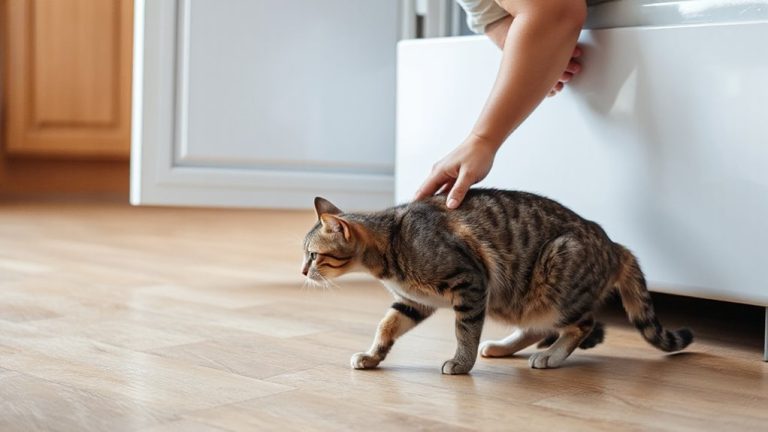
Your senior cat’s coat may have already signaled nutrient deficiencies, but changes in energy and movement point to deeper systemic impacts of malabsorption. You may notice decreased activity, such as reluctance to jump or climb stairs. This isn’t just aging-it often reflects impaired nutrient absorption, particularly of proteins and B vitamins essential for energy metabolism. Muscle wasting, especially along the spine and hips, becomes visually apparent and can reduce strength by up to 30% over months. Joint stiffness may mimic arthritis, but poor calcium and vitamin D uptake exacerbates musculoskeletal decline. Unlike acute injury, this weakness progresses gradually. Muscle mass loss, known as sarcopenia, accelerates when amino acids aren’t properly absorbed. Affected cats may sleep more than 18 hours daily, lacking stamina for routine grooming or play. These signs indicate malabsorption is disrupting cellular energy production and tissue repair. Monitor movement patterns closely-they reveal functional decline before weight loss becomes obvious.
When to Call Your Vet About Malabsorption
How quickly should you act when subtle signs add up? Immediately. Persistent vomiting frequency-more than once a week-signals digestive distress and potential nutrient malabsorption. You should call your vet when vomiting becomes recurrent, especially if bile or undigested food is present. Weight loss despite normal appetite is a red flag. Check for poor coat condition and lethargy, both linked to inadequate nutrient uptake. Dehydration risk rises when chronic diarrhea or vomiting occurs; test skin turgor by gently pinching the scruff-if it doesn’t snap back in under two seconds, dehydration is likely. Bloodwork and fecal tests are essential for diagnosis. Your vet may recommend a low-fat, highly digestible diet with increased protein bioavailability. Early vet intervention improves prognosis and prevents complications like electrolyte imbalances or hepatic dysfunction. Don’t wait-act at the first consistent symptom. Supporting liver function is crucial, and incorporating a high-quality liver support for cats supplement may aid in overall recovery and digestive health.
On a final note
You should monitor your senior cat closely for signs of malabsorption. Unexplained weight loss despite a good appetite signals impaired nutrient uptake. Pale, greasy stools indicate fat malabsorption due to pancreatic insufficiency or intestinal disease. A dull coat reflects deficiencies in essential fatty acids and proteins. Chronic diarrhea or altered bowel habits suggest small intestinal dysfunction. Lethargy and muscle wasting point to caloric and protein deficits. Seek veterinary diagnosis through fecal tests, blood work, and imaging.