How to Clean Your Dog’s Nose Wrinkles to Prevent Yeast Infections
Clean your dog’s nose wrinkles every 3–4 days using a pH-balanced, antimicrobial wipe to prevent yeast overgrowth. Gently lift the lip fold and follow the natural contour from nose bridge to cheek, ensuring full coverage. Use pre-moistened textured wipes with chlorhexidine, proven to reduce microbial load by up to 90%. Dry thoroughly with a microfiber cloth or cool-setting pet dryer under 20 mph airflow to eliminate humidity trapped in folds up to 1.2 cm deep. Persistent moisture creates anaerobic microenvironments ideal for Malassezia proliferation. You’ll learn which breeds need more frequent care and how to spot early infection.
Notable Insights
- Clean your dog’s nose wrinkles every 3–4 days using a vet-approved, pH-balanced solution to prevent yeast buildup.
- Gently lift the lip fold and wipe along the natural contour from nose bridge to cheek for full coverage.
- Use antimicrobial wipes or a soft brush to effectively remove debris and reduce microbial load in deep folds.
- Always dry the wrinkles thoroughly after cleaning to eliminate moisture that promotes yeast growth.
- Monitor for redness, odor, or discharge, and see a vet if symptoms persist beyond 48 hours.
Why Dog Nose Wrinkles Get Yeast
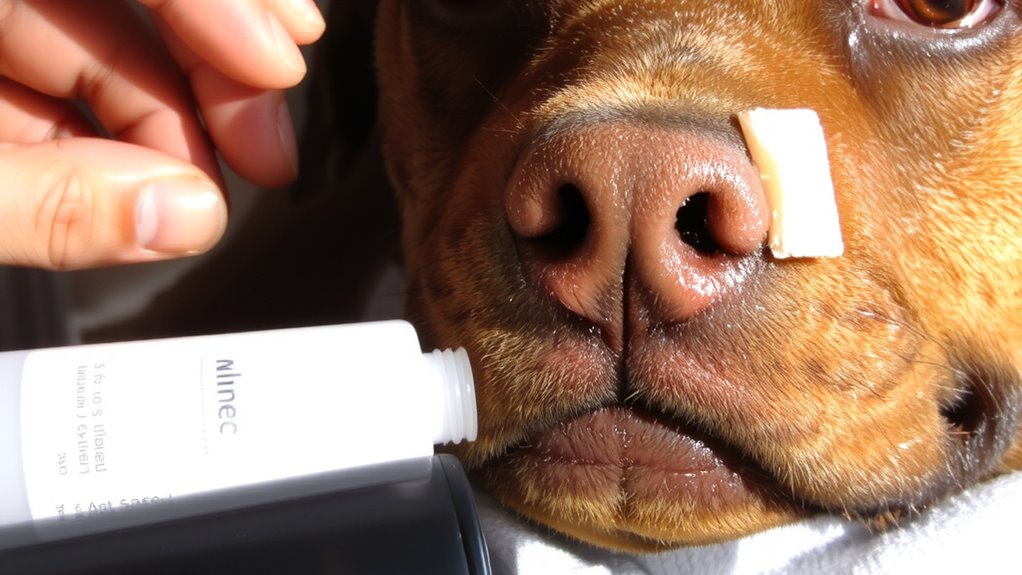
Your dog’s nose wrinkles create a warm, moist environment that’s ideal for yeast overgrowth. Moisture buildup occurs when sweat, mucus, or environmental dampness accumulates in facial folds. Poor ventilation within deep wrinkles limits air circulation, reducing evaporation and maintaining humidity at 80–100% relative levels-optimal for Malassezia proliferation. These anaerobic microenvironments trap debris and dead skin cells, which feed yeast colonies. Brachycephalic breeds, such as Bulldogs and Pugs, are especially vulnerable due to wrinkle depth measuring 0.5 to 1.2 cm, which restricts airflow. Normal skin pH (5.5–7.0) can shift in folds, promoting microbial imbalance. Yeast doubles every 90–120 minutes under favorable conditions. Without intervention, colonies exceed 10³ CFU/cm², triggering inflammation. The combination of high humidity, organic substrate, and low oxygen enables persistent colonization. Preventive care hinges on disrupting this microclimate before infection establishes.
How to Clean Dog Nose Wrinkles
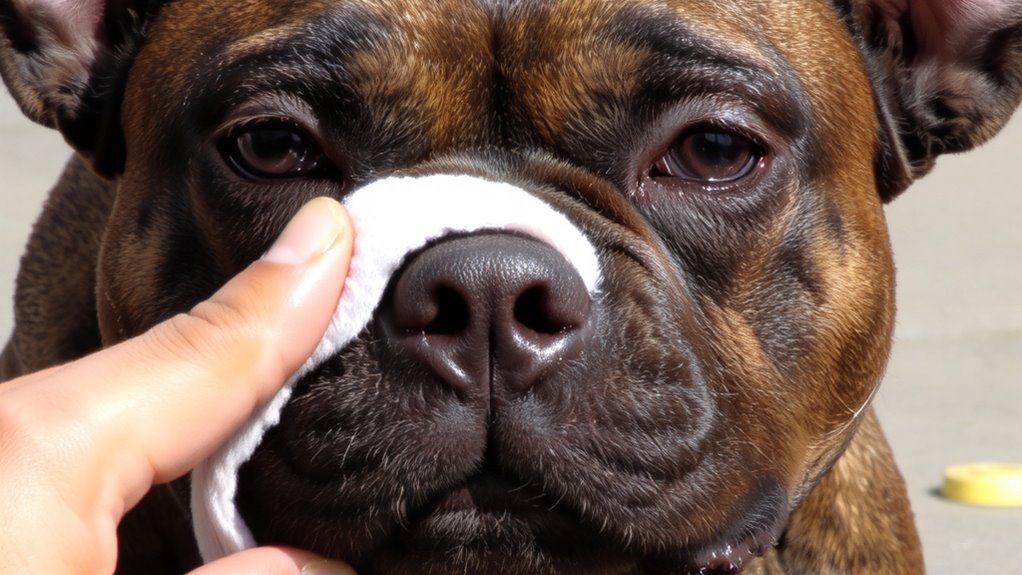
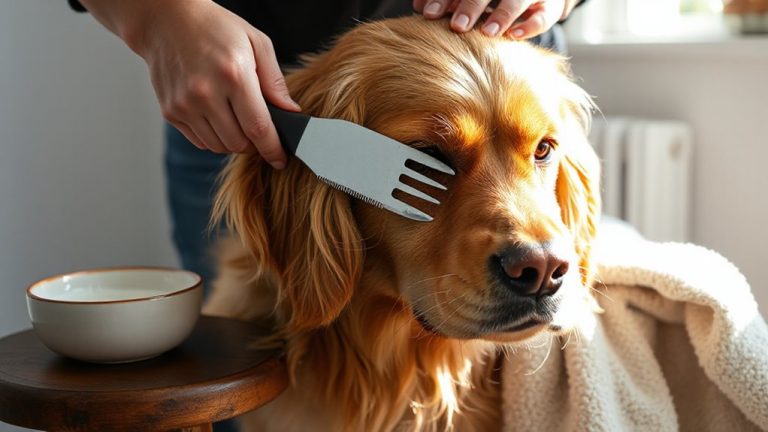
Every few days, cleaning your dog’s nose wrinkles is essential to prevent microbial overgrowth and maintain skin integrity. Use a clean, soft cloth or cotton pad dampened with a vet-approved solution. Apply gentle pressure while wiping deep into folds to remove debris and moisture. Avoid harsh scrubbing, which can damage delicate tissue. Proper technique involves lifting the lip fold to expose hidden creases, ensuring complete coverage. Start at the bridge of the nose and move outward toward the cheek, following the natural contour. Dry folds thoroughly after cleaning to prevent moisture buildup. Repeat this process every 3–4 days or more often in humid climates. Consistent cleaning with gentle pressure and proper technique reduces the risk of irritation and infection. Inspect for redness, swelling, or odor, which may indicate underlying issues needing veterinary evaluation.
Supplies for Cleaning Dog Wrinkles
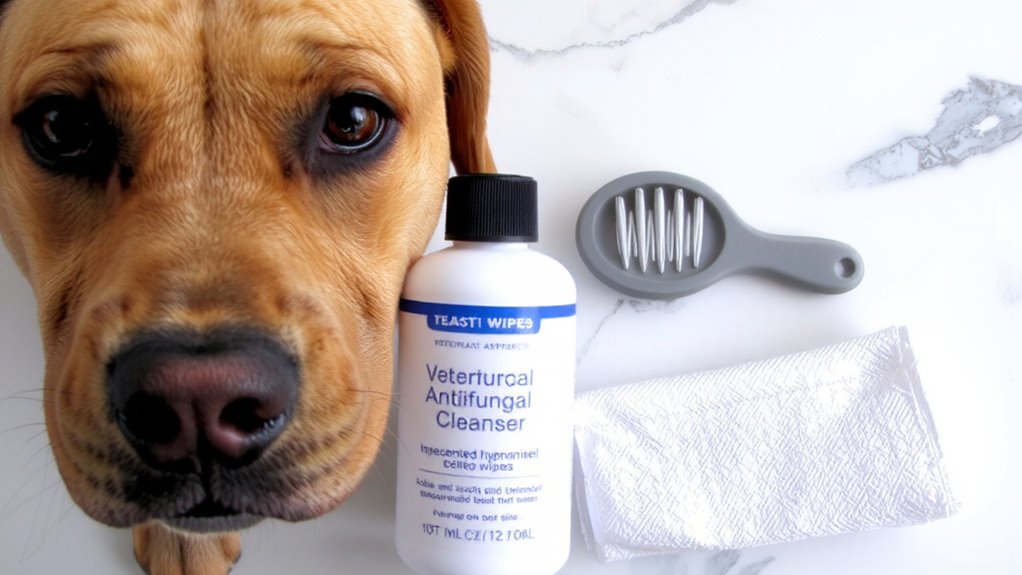
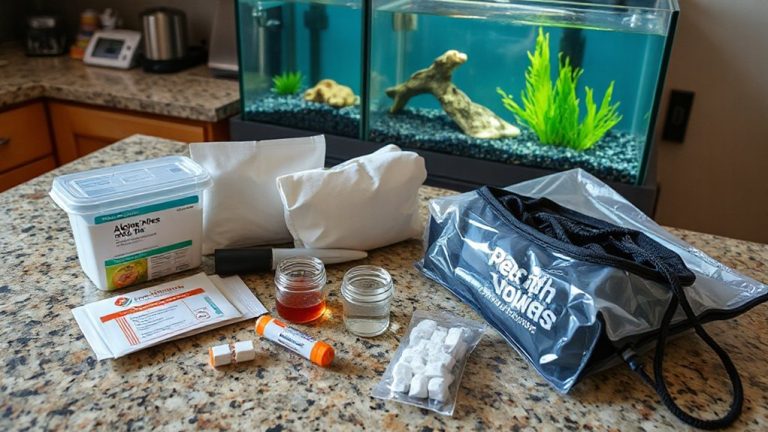
Starting with the right tools guarantees effective and safe cleaning of your dog’s nose wrinkles. Use hypoallergenic, pH-balanced grooming wipes formulated specifically for dogs-choosing wipes with antimicrobial agents like chlorhexidine reduces microbial load by up to 90%. Pre-moistened wipes with textured surfaces improve debris removal in deep folds. Avoid alcohol or paraben-containing products to prevent skin irritation. For stubborn residue, pair wipes with a soft-bristle pet-safe brush (0.5 mm bristle diameter) to loosen trapped matter without abrasion. After cleaning, immediate drying is essential-mold and yeast thrive in moisture. Use a microfiber cloth with low-lint properties to wick moisture efficiently. Drying techniques should include gentle patting; never rub. For deep wrinkles, a cool-setting pet dryer on low airflow (under 20 mph) guarantees complete moisture removal. Maintain supply freshness by storing wipes in sealed containers. Using a medicated shampoo specifically designed for yeast infection control can further support skin health during regular cleaning routines.
How Often to Clean Based on Breed
A Pekingese’s deep facial folds demand more frequent maintenance than a bulldog’s shallower creases, and breed-specific anatomy directly influences cleaning frequency. Your dog’s breed predisposition determines how often you should clean their nose wrinkles. Breeds like Shar-Peis and Pugs have deep, moisture-retaining folds that require cleaning every other day. Moisture buildup in these areas creates an anaerobic environment ideal for yeast proliferation. For moderate-risk breeds such as bostons or boxers, grooming frequency can safely drop to two to three times weekly. Dogs with minimal wrinkling, like beagles, need weekly checks and cleaning only if debris or odor is present. Always dry folds completely after cleaning-use a soft, lint-free cloth or compressed air designed for electronics at a safe distance. Consistent grooming frequency tailored to your dog’s breed predisposition reduces infection risk and supports long-term skin health.
Signs of Yeast Infection and When to See a Vet
Yeast thrives in warm, moist environments, and your dog’s nose wrinkles can become breeding grounds if not monitored. A symptoms overview includes redness, persistent odor, greasy discharge, and frequent scratching. You might notice darkening skin or small pustules within the folds. These signs indicate microbial overgrowth, commonly due to Malassezia species. Left untreated, inflammation can progress to secondary bacterial infections. Early detection is critical-daily inspection of wrinkles takes seconds but prevents complications. If you observe two or more symptoms lasting beyond 48 hours, seek veterinary consultation. A vet may perform cytology to confirm yeast presence and prescribe antifungal ointments or oral medication. Topical treatments often contain miconazole or chlorhexidine at 2–4% concentrations. Do not use human antifungals-dosage and pH differ. Professional evaluation guarantees accurate diagnosis and prevents antibiotic resistance.
On a final note
Clean your dog’s nose wrinkles regularly to prevent yeast buildup. Use a soft, non-abrasive pad soaked in a vet-approved, pH-balanced cleanser. Gently wipe folds daily for brachycephalic breeds like French Bulldogs; weekly suffices for less-prone types. Dry thoroughly-moisture accelerates yeast growth. Inspect for redness, odor, or discharge. Persistent symptoms require veterinary diagnosis-antifungal treatment may be necessary. Proactive hygiene reduces infection risk markedly.