Best Shampoos to Combat Yeast in Dogs (Vet-Approved Choices)
You need vet-approved shampo stringBy antifungal and antibacterial actives to effectively treat yeast in dogs. Use products like Douxo S3 Pyo, containing 3% chlorhexidine and 0.5% phytosphingosine, or Pet Honesty’s chlorhexidine-ketoconazole formula for microbial control. Maintain skin pH with sulfate-free, soap-free shampoos applied 2–4 times weekly for 5–15 minutes of contact time. These formulations reduce Malassezia, soothe irritation, and support barrier repair. Consistent use improves symptoms within a week. Best results come from combining targeted ingredients with proper technique. Further details reveal how specific products match your dog’s needs.
We are supported by our audience. When you purchase through links on our site, we may earn an affiliate commission, at no extra cost for you. Learn more. Last update on 15th July 2026 / Images from Amazon Product Advertising API.
Notable Insights
- Chlorhexidine and ketoconazole are key active ingredients in vet-approved shampoos for effectively reducing yeast and bacteria on canine skin.
- Shampoos like Douxo S3 Pyo and Pet Honesty combine 3% chlorhexidine with phytosphingosine or ketoconazole to target yeast and support skin barrier health.
- Medicated shampoos should be left on the dog’s coat for 5–15 minutes to ensure active ingredients fully penetrate and work effectively.
- Use pH-balanced, soap-free, and sulfate-free formulas to match canine skin and avoid irritation or disruption of the skin’s natural barrier.
- For best results, bathe dogs 2–4 times weekly during flare-ups, then reduce to weekly for maintenance as directed by a veterinarian.
Veterinary Formula Medicated Shampoo for Dogs & Cats

If you’re dealing with a dog plagued by persistent yeast infections, Veterinary Formula Clinical Care Antiseptic and Antifungal Medicated Shampoo stands out as an ideal choice, especially when battling scaly, greasy, or inflamed skin. I rely on this vet-recommended formula because it’s soap-free, paraben-free, and dye-free, reducing irritation risks. Its pH-balanced base supports skin health without stripping natural oils. Active ingredients target yeast and bacteria directly. I leave it on for 5–10 minutes during bathing to maximize contact time. Use it twice weekly at first, then once weekly for maintenance. Safe for dogs and cats over 12 weeks.
Best For: Dogs and cats over 12 weeks of age suffering from yeast infections, scaly or greasy skin, and bacterial or fungal skin conditions.
Pros:
- Vet-recommended formula that is antiseptic and antifungal to effectively combat skin infections
- Free of parabens, dyes, and soap, making it gentle on sensitive skin
- pH-balanced and designed to maintain natural oils while soothing irritated skin
Cons:
- Requires 5–10 minutes of contact time, which may be challenging with uncooperative pets
- Only suitable for pets over 12 weeks old, limiting use for younger animals
- Must be used frequently at first (twice weekly), which may be inconvenient for some owners
Miracle Vet Medicated Dog Shampoo (16 oz)

I recommend the Miracle Vet Medicated Dog Shampoo (16 oz) for dogs with moderate to severe yeast infections, especially when secondary bacterial involvement or inflamed skin lesions are present. It contains hydrocortisone and broad-spectrum antimicrobial agents that target Malassezia yeast and common skin bacteria. The formula soothes itching and reduces inflammation quickly. Oatmeal and moisturizers prevent dryness, supporting skin barrier repair. It’s hypoallergenic, free of harsh chemicals, and safe for frequent use. Antiseptic properties aid in healing hot spots and prevent infection spread. Regular use eliminates foul odors linked to yeast and maintains coat hygiene. Each 16 oz bottle delivers about 20 washes, depending on dog size.
Best For: Dogs with moderate to severe yeast infections, bacterial skin conditions, or inflamed lesions needing medicated, soothing, and antiseptic care.
Pros:
- Contains hydrocortisone and broad-spectrum antimicrobials to effectively treat yeast, bacteria, and skin inflammation
- Soothes itching and irritation quickly while supporting skin barrier repair with oatmeal and moisturizers
- Hypoallergenic, free of harsh chemicals, and safe for frequent use to manage chronic skin issues and control odor
Cons:
- May not be sufficient for severe systemic infections requiring oral medication
- Hydrocortisone use should be monitored and limited on broken skin or open wounds
- Some dogs may have sensitivities to ingredients despite hypoallergenic formulation
Pet Honesty Chlorhexidine Dog & Cat Shampoo 16oz

Pet Honesty Chlorhexidine Dog & Cat Shampoo 16oz stands out as a clinical-grade solution for dogs struggling with yeast infections, especially when both antifungal and antibacterial action are needed. It combines chlorhexidine and ketoconazole to target microbial overgrowth effectively. I use it to soothe itchy, inflamed skin and promote healing in hot spots or allergy-related dermatitis. The formula is free from sulfates, parabens, and artificial additives, with aloe to calm sensitive skin. It fights odor-causing bacteria and fungus, leaving a light cucumber melon scent. Made in the USA with recycled packaging, it’s vet-strength, sulfate-free, and ranks #1 on Amazon for chlorhexidine shampoos.
Best For: Dogs and cats with yeast infections, bacterial skin conditions, or allergy-related dermatitis needing a vet-strength, soothing, and therapeutic shampoo.
Pros:
- Contains chlorhexidine and ketoconazole for effective antibacterial and antifungal action
- Free from sulfates, parabens, alcohol, and artificial additives; includes soothing aloe for sensitive skin
- Clinically proven formula that reduces odor, promotes healing, and ranks #1 on Amazon for chlorhexidine shampoos
Cons:
- May be too medicated for pets with no existing skin issues or for routine use
- Light cucumber melon scent, while mild, may still irritate pets with extreme sensitivities
- Only available in 16oz size, which may require frequent repurchasing for large or multi-pet households
Douxo S3 Pyo Shampoo for Dogs & Cats

Douxo S3 Pyo Shampoo stands out for dogs battling persistent yeast overgrowth, especially those with sensitive or compromised skin barriers. I rely on its 3% chlorhexidine formula to aggressively disinfect and reduce yeast counts within 7 days. It also contains 0.5% Ophytrium, a purified natural ingredient that strengthens the skin barrier and soothes inflammation. The shampoo is free from soaps, sulfates, parabens, dyes, and nanoparticles, making it gentle for frequent use. I recommend it as part of a full topical regimen, ideally paired with DOUXO PYO Mousse for maximal control.
Best For: Dogs and cats with bacterial or yeast skin infections, especially those with sensitive or compromised skin barriers.
Pros:
- Effectively reduces yeast and bacteria with 3% chlorhexidine
- Contains Ophytrium to support skin barrier function and soothe irritation
- Free from soaps, sulfates, parabens, dyes, and nanoparticles for gentle, frequent use
Cons:
- Requires regular bathing for optimal results, which may be difficult for some pets
- Smaller 6.7 fl. oz. size may require frequent repurchasing
- Must be used as part of a broader regimen for best outcomes, increasing overall cost
Veterinary Formula Medicated Shampoo for Dogs & Cats (2-Pack)

When managing persistent yeast infections in dogs with sensitive skin, Veterinary Formula Medicated Shampoo for Dogs & Cats (2-Pack) stands out as a practical and effective choice. This paraben-free, dye-free, soap-free formula is pH balanced to support skin health without harsh detergents. It treats scaly, greasy, or smelly skin caused by yeast and environmental irritants. I apply it topically, leaving it on for 5–10 minutes twice weekly until improvement, then once weekly for maintenance. A patch test is essential before full use. It’s for pets over 12 weeks old. I avoid the eyes and mucous membranes. For ongoing care, I pair it with the brand’s antifungal spray.
Best For: Dogs and cats with sensitive skin suffering from persistent yeast infections, greasy or scaly coat conditions, and environmental skin irritants.
Pros:
- Paraben-free, dye-free, and soap-free formula gentle enough for frequent use on sensitive skin
- Contains antiseptic and antifungal properties to effectively target yeast and bacterial skin issues
- pH balanced and designed to support skin health while being safe for pets over 12 weeks old
Cons:
- Requires 5–10 minute soak time, which may be challenging for pets that dislike bathing
- Must perform a patch test prior to use and monitor for adverse reactions
- Not suitable for use near eyes or mucous membranes, requiring careful application
MiconaHex+Triz Shampoo for Dogs, Cats and Horses, 8 oz

For pets battling persistent yeast infections, MiconaHex+Triz Shampoo stands out as a clinical-grade solution trusted by veterinarians. I rely on its antifungal and antibacterial ingredients-miconazole, chlorhexidine, and trizEDTA-to disrupt microbial biofilms. It’s effective across species: dogs, cats, and horses of all life stages. The 8 fl oz bottle lasts, especially when used up to four times weekly. Apply to wet fur, lather, and leave on for 5–10 minutes before rinsing. Shake well. Made in the USA by Dechra Veterinary Products, it weighs 8 oz and measures 2 x 2 x 7.25 in. Over 2,300 reviews rate it 4.7 stars.
Best For: Pets with persistent yeast or bacterial skin infections, including dogs, cats, and horses of all life stages.
Pros:
- Contains powerful antifungal and antibacterial ingredients (miconazole, chlorhexidine, trizEDTA) that effectively disrupt microbial biofilms
- Veterinarian-recommended and suitable for multiple species, including dogs, cats, and horses
- Highly rated with a 4.7-star average from over 2,300 reviews, indicating strong user satisfaction
Cons:
- Requires a 5–10 minute contact time before rinsing, which may be difficult with restless pets
- Only available in an 8 oz size, which may require frequent repurchasing for larger animals or multi-pet households
- Must be shaken well before each use, adding an extra step to the grooming routine
Arava Medicated Dog Shampoo for Skin Issues
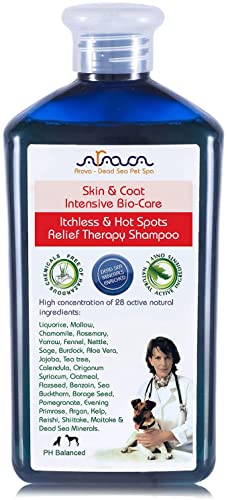
If your dog struggles with persistent yeast infections or recurring skin irritations, Arava Natural Medicated Dog Shampoo stands out as a targeted solution designed for dogs needing more than basic cleansing. It contains 28 natural active ingredients, including botanical oils and Dead Sea minerals, to fight yeast and relieve itching. The formula penetrates deep into the undercoat, cleansing thoroughly while enriching hair follicles. It supports healing in hot spots, ringworm, and dermatologic infections. Its silky texture moisturizes, leaving fur shiny and skin soothed. Safe for dogs and puppies, it has a light, fresh scent. Avoid if your dog has known allergies to any ingredients.
Best For: Dogs suffering from yeast infections, hot spots, ringworm, or recurring skin irritations needing a medicated, natural solution for soothing and healing.
Pros:
- Contains 28 natural active ingredients including botanical oils and Dead Sea minerals to target yeast, bacteria, and itching
- Deeply cleanses and penetrates the undercoat to support skin healing and promote a shiny, healthy coat
- Safe for use on both dogs and puppies with a gentle, moisturizing formula and light fresh scent
Cons:
- May not be suitable for dogs with sensitivities to any of the natural botanical ingredients
- Limited volume (400ml) may require frequent repurchasing for larger dogs or regular use
- Specific efficacy may vary depending on the severity or underlying cause of skin condition
Veterinary Formula Medicated Dog Shampoo 16 oz

The Veterinary Formula Clinical Care Antiparasitic & Antiseborrheic Medicated Dog Shampoo in the 16 oz size stands out for dogs struggling with yeast overgrowth and related skin conditions. I rely on its antifungal, antiparasitic, and antiseborrheic properties to target Malassezia yeast and abnormal skin scaling. It’s pH-balanced for dogs, avoiding the acidic levels in human shampoos that can disrupt skin barriers. The soap-, paraben-, and dye-free formula uses gentle cleansers. Oatmeal and allantoin moisturize and soothe irritated skin. I leave it on for 10–15 minutes, 2–3 times weekly, for clinical results. A patch test is essential-this isn’t for cats.
Best For: Dogs with yeast-related skin conditions, dry or oily skin, and those needing medicated, vet-recommended topical treatment.
Pros:
- Effectively targets Malassezia yeast with antifungal, antiparasitic, and antiseborrheic properties
- Contains soothing ingredients like oatmeal and allantoin to hydrate and nourish irritated skin
- pH-balanced for dogs, free of soap, parabens, and dyes, making it gentle for frequent use
Cons:
- Requires 10–15 minutes of contact time, which may be challenging with some dogs
- Not suitable for cats, limiting use in multi-pet households
- Frequent application (2–3 times weekly) may be inconvenient for some owners
Medicated Dog Shampoo for Allergies & Itching 16 OZ
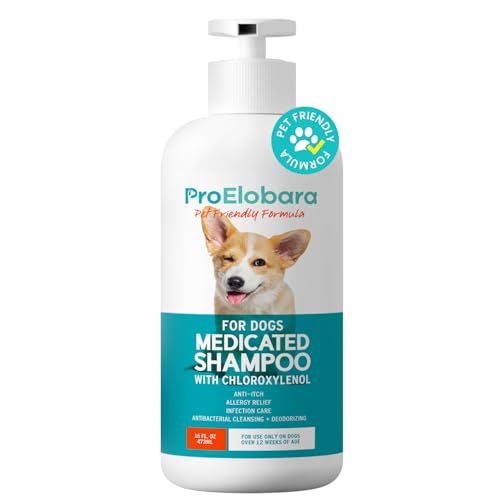
This medicated shampoo cuts through stubborn yeast and bacterial buildup, making it my go-to pick for dogs with chronic allergies and persistent itching. It’s formulated with vet-strength antifungal and antibacterial agents to treat dermatitis, ringworm, and secondary skin infections. The sulfate-free, paraben-free formula soothes inflamed skin while restoring the skin’s natural barrier. I use it to manage hot spots, reducing redness and speeding up healing. Antiseptic ingredients target odor-causing microbes, leaving coats fresh, conditioned, and shine-enhanced. Safe for all breeds, it works on sensitive, allergy-prone skin with weekly or biweekly use.
Best For: Dogs with chronic skin allergies, fungal or bacterial infections, and hot spots needing veterinarian-strength treatment and soothing, sulfate-free care.
Pros:
- Veterinarian-strength antifungal and antibacterial formula effectively treats dermatitis, ringworm, and yeast infections
- Soothes itching and inflammation while restoring the skin’s natural barrier
- Deodorizes and conditions the coat without harsh chemicals, safe for regular use
Cons:
- May require frequent use for severe skin conditions, increasing long-term cost
- Not a cure for underlying allergies, only manages symptoms
- Some dogs may experience dryness if used too frequently without moisturizing support
DOUXO S3 PYO Combo Set – Shampoo (6.7 oz) & Mousse (5.1 oz)

You’ll get the strongest defense against yeast overgrowth with the DOUXO S3 PYO Combo Set-its dual-action formula works like a dedicated skin care team for dogs struggling with recurring dermatological issues. I start with the 6.7 oz shampoo weekly to deeply cleanse the coat and remove biofilm. It contains phytosphingosine, which calms inflammation and supports skin barrier function. Then, I apply the 5.1 oz mousse three times weekly to maintain microbial balance. Its sustained-release technology targets yeast between washes. This vet-recommended duo is proven effective. DOUXO S3 is the #1 veterinarian-recommended topical brand. The combo offers consistent, targeted relief-no guesswork, just results.
Best For: Dogs with recurring yeast overgrowth and skin infections needing a vet-recommended, dual-action cleansing and maintenance routine.
Pros:
- Contains phytosphingosine to soothe inflammation and strengthen the skin barrier
- Includes both shampoo and mousse for comprehensive, sustained yeast control
- Vet-recommended and proven effective for managing canine dermatological issues
Cons:
- Mousse must be applied three times weekly, which may be time-consuming
- Shampoo is only for weekly use, limiting frequency of deep cleansing
- Not suitable for cats, restricting multi-pet household use
Factors to Consider When Choosing a Shampoo for Yeast in Dogs
You need a shampoo with proven antifungal ingredients like chlorhexidine, miconazole, or ketoconazole to effectively target yeast on your dog’s skin. These active compounds disrupt the fungal cell membrane, reducing Malassezia overgrowth within 5–7 days of consistent use. Always follow your vet’s advice on frequency, safety, and formulation-whether it’s a leave-on mousse or rinse-off shampoo-since improper use can worsen irritation or disrupt the skin barrier.
Active Ingredients Matter
Effectiveness hinges on the right active ingredients when treating yeast overgrowth in dogs. Chlorhexidine at 3% kills yeast and bacteria fast-studies show significant reduction in microbial counts within seven days. You’ll want that kind of proven power on your side. Ketoconazole is another must-have; this antifungal agent stops Malassezia yeast from spreading, directly tackling the root cause of irritation. Ophytrium, a purified plant extract, strengthens the skin barrier and soothes inflamed areas, making it harder for yeast to return. If itching bothers your dog, shampoos with hydrocortisone help calm redness and discomfort fast. You need relief that works, not just promises. Always pick sulfate-free, pH-balanced formulas. They protect your dog’s skin while boosting how well active ingredients penetrate and perform. This isn’t just bathing-it’s targeted therapy.
Veterinarian Recommendations Help
When managing yeast overgrowth on your dog’s skin, turning to a veterinarian for guidance guarantees you choose a shampoo that’s both effective and safe. Vets commonly recommend formulations with chlorhexidine and ketoconazole due to their proven antifungal and antibacterial properties. These active ingredients markedly reduce yeast counts on canine skin, with clinical studies showing improvement within one week of proper use. Your vet assures the shampoo contains the right concentration of actives and advises a 5–10 minute contact time for maximum efficacy. They may also recommend combining medicated baths with leave-on treatments to extend antiseptic action between washes. Professional input tailors therapy to your dog’s specific condition, preventing misuse of harsh products. This targeted approach minimizes irritation risks and avoids ineffective, over-the-counter options not designed for fungal control.
Frequency Of Use
Typically, medic rallies shampoos for canine yeast infections require application two to four times weekly during active flare-ups. You must leave the shampoo on your dog’s coat and skin for 5 to 15 minutes to guarantee effective antifungal action before rinsing thoroughly. This contact time allows active ingredients like chlorhexidine, miconazole, or ketoconazole to penetrate and reduce yeast populations. Over-washing can disrupt the skin’s natural barrier, leading to dryness or irritation-especially if used more than directed. Once symptoms are under control, switch to a maintenance schedule of once weekly or as your vet advises to prevent recurrence. Consistency matters: sticking to the recommended frequency and contact time is critical for reducing yeast counts and achieving clinical improvement. Following these guidelines maximizes treatment efficacy while minimizing potential side effects.
Safety For Pets
Your dog’s skin health hinges on selecting a shampoo formulated with their unique physiology in mind. Always choose products with a pH between 6.2 and 7.5, matching canine skin’s natural range-human shampoos disrupt this balance and provoke irritation. Avoid sulfates, parabens, alcohol, and artificial dyes; these harsh chemicals degrade the skin barrier, increasing vulnerability to yeast overgrowth. Test any new shampoo with a small patch application behind the ear or on the inner thigh, monitoring 24 hours for redness or swelling. If irritation occurs, discontinue use immediately and contact your vet. Apply the shampoo as directed, letting it contact the skin for 5–10 minutes to maximize antifungal efficacy without stripping essential oils. Never exceed recommended frequency. Watch closely for worsening itch, lesions, or inflammation-these signal adverse reactions requiring veterinary evaluation. Safety depends on proper formulation and vigilant monitoring.
Formulation Features Count
Active ingredients define effective antifungal shampoos for dogs with yeast infections. You need 2% to 4% chlorhexidine-it’s clinically proven to lower yeast and bacterial counts on canine skin. Pair it with 1% to 2% ketoconazole for targeted action against Malassezia, the primary culprit in yeast dermatitis. This dual-ingredient approach hits the infection from multiple angles. Avoid sulfates, parabens, and artificial dyes-they disrupt the skin barrier and worsen irritation. They’re like open doors for yeast to thrive. Always choose soap-free, pH-balanced shampoos made for dogs. Human shampoos shift skin pH, creating an environment where yeast overgrows. Look for added moisturizers like oatmeal or aloe vera. These support barrier repair and prevent dryness caused by frequent bathing. Together, these formulation features guarantee maximum antifungal impact with minimal irritation. You’re not just cleaning-you’re treating.
Combination Therapy Options
You can substantially boost the effectiveness of antifungal shampoos by pairing them with complementary topical treatments. Applying a medicated shampoo first removes surface debris, oils, and yeast colonies, preparing the skin for enhanced absorption of follow-up products. After rinsing, use a leave-on mousse or spray containing chlorhexidine or miconazole to maintain antimicrobial contact between baths. These formulations prolong exposure to active ingredients, reducing yeast regrowth by up to 60% compared to shampoo alone. Combine rinse-off cleansers with topical conditioners or spot treatments to support skin barrier repair, especially in skin folds or chronically affected areas. Studies show that dual-application regimens-using both wash-off and leave-on products-improve treatment compliance and clinical outcomes. This multi-phase strategy targets immediate decontamination and long-term skin health, making it especially effective for recurrent or resistant yeast dermatitis. Always follow label instructions for contact time and frequency.
Frequently Asked Questions
How Often Should I Bathe My Dog With Yeast?
You should bathe your dog every 3 to 7 days during active yeast flare-ups. Frequent bathing helps disrupt biofilm formation and reduces Malassezia overgrowth. Use a shampoo with 2% to 4% chlorhexidine and miconazole for maximum antifungal efficacy. Leave the lather on for 10 minutes to guarantee full ingredient contact time. Once symptoms improve, reduce bathing to biweekly maintenance. Always rinse thoroughly to prevent residue irritation.
Can I Use Baby Shampoo for My Dog’s Yeast Infection?
No, you shouldn’t use baby shampoo for your dog’s yeast infection. Baby shampoos lack antifungal agents like chlorhexidine or ketoconazole. They’re formulated for human pH, not canine skin, which can disrupt the acid mantle. That imbalance worsens yeast overgrowth. Medicated shampoos target Malassezia at 2–4% concentrations. They also contain surfactants to lift biofilm. Without proper antimicrobial action, baby shampoo won’t penetrate or resolve infection. Use only vet-approved antifungal products.
Is Coconut Oil Safe to Use With Medicated Shampoos?
Yes, you can safely use coconut oil with medicated shampoos if applied correctly. Apply the shampoo first, letting it sit for 10–15 minutes before rinsing thoroughly. Wait 24 hours before applying coconut oil to avoid blocking medicated ingredients. Use virgin, cold-pressed coconut oil with at least 45% lauric acid. Apply a thin layer only to affected areas to support skin barrier function without interfering with treatment efficacy.
Will My Dog’s Yeast Infection Go Away on Its Own?
No, your dog’s yeast infection won’t go away on its own. Left untreated, Malassezia overgrowth worsens, spreading across skin folds and ears. You’ll see redness, itching, and a greasy, musty-smelling coat. Cytology confirms infection-typically >5 yeast organisms per high-power field. You need antifungal treatment: topical shampoos with chlorhexidine (2%) or miconazole, used every 2–3 days. Systemic antifungals may be necessary for severe cases. Consistent therapy controls the overgrowth.
Can Humans Catch Yeast Infections From Dogs?
No, you can’t catch yeast infections from your dog. The primary yeast affecting dogs, *Malassezia pachydermatis*, is species-specific and doesn’t infect humans. Humans host different yeast strains, like *Candida albicans*. Cross-species transmission is extremely rare and unsupported by clinical evidence. While skin contact with infected areas won’t spread yeast, practicing hygiene-like handwashing after handling your dog-reduces secondary bacterial risks. No zoonotic cases are documented in veterinary dermatology literature.