Brushing a Dog With Sensitive Skin & Thick Coat: 4 Tools
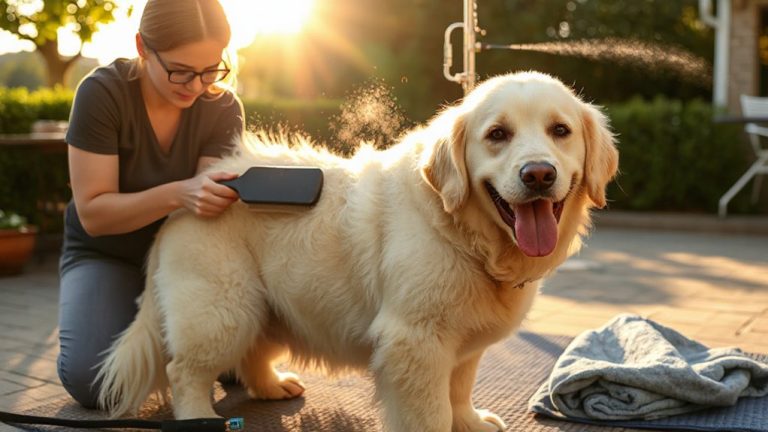
Start by inspecting your dog’s dry coat for tangles, especially behind ears and under legs. Use a wide-tooth comb to gently remove knots, holding the base to protect sensitive skin. Choose a pin brush with rounded tips or soft natural bristles, spaced ¼ to ½ inch apart, to avoid abrasion. Begin with light upward strokes using a slicker brush (2–3 mm bent bristles), then switch to an undercoat rake with 10–15 mm U-shaped tines to remove loose fur. Work in 2-inch sections, lifting hair to expose layers and brushing from head to tail. Avoid metal bristles and heavy pressure to prevent irritation. After grooming, apply a cool compress or aloe vera gel to soothe skin. Maintain the coat every 2–3 days for 5–10 minutes, gradually increasing duration. Consistent routine supports skin barrier health and reduces stress. More precise techniques follow for best results.
Notable Insights
- Use a soft-bristle or pin brush with rounded tips to gently detangle without irritating sensitive skin.
- Always groom in a dry, tangle-free state to prevent moisture trapping and reduce fungal infection risk.
- Begin with a wide-tooth comb to loosen mats, starting at the ends and holding the base to minimize pulling.
- Apply layered brushing: use a slicker brush on the topcoat, then an undercoat rake to remove loose fur.
- Soothe skin post-grooming with aloe vera or cool compresses, and moisturize weekly with ceramide-based sprays.
Know Your Dog’s Skin and Coat Needs
Understanding your dog’s skin and coat begins with recognizing that structure and biology drive care requirements. Canine skin has fewer layers than human skin, making it more susceptible to irritation. Your dog’s coat type-double, wiry, or curly-dictates shedding patterns and sensitivity risks. Breed specific sensitivities influence how skin reacts to grooming; for example, German Shepherds often suffer from dry skin due to lipid deficiencies, while Pomeranians may develop dermatitis from over-grooming. Environmental impact factors like humidity, pollen, and pollutants alter skin pH and sebum production. In high-humidity areas, microbial growth increases, raising infection risk. Low humidity causes flaking and brittleness. You must assess seasonal changes and adjust grooming frequency accordingly. Regular evaluation guarantees early detection of inflammation or alopecia. A well-maintained coat preserves insulation and barrier function, essential for overall dermal health. Your approach must be precise, informed, and consistent. Using a gentle, oatmeal shampoo can help soothe and protect sensitive skin during grooming sessions.
Pick a Brush Safe for Sensitive Skin
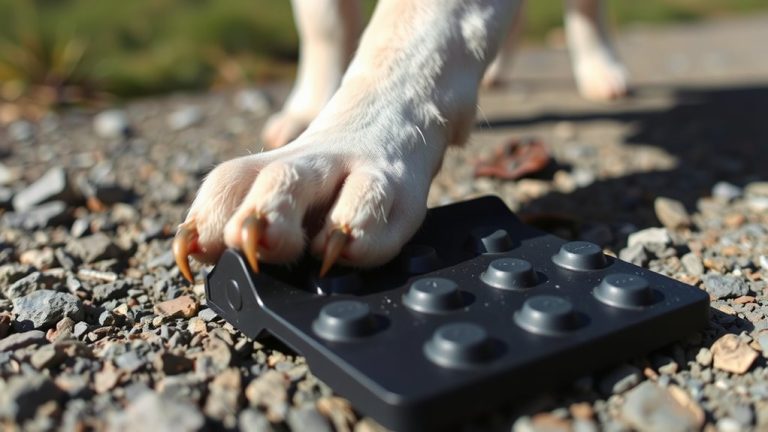
When choosing a brush for your dog’s sensitive skin, it’s essential to prioritize gentle materials and proper spacing to avoid irritation. Opt for brush types like pin brushes with rounded tips or soft-bristle brushes made from natural fibers. These minimize friction and reduce the risk of skin reactions. Avoid metal bristles or densely packed pins, which can tug hair and abrade delicate skin. Look for brushes with flexible pin spacing-ideally ¼ to ½ inch apart-to glide through thick coats without pressing too hard. Rubber curry brushes with short, blunt nodules are also safe, offering mild exfoliation without inflammation. Choose ergonomic handles for better control, guaranteeing consistent, light pressure. Always test a small area first and observe for redness or discomfort. Proper brush types prevent micro-tears and support skin barrier integrity. Matching tool design to skin sensitivity guarantees effective, pain-free grooming.
Start With a Dry, Detangled Coat
A clean, tangle-free coat is the foundation of safe grooming for dogs with sensitive skin and thick fur. You must perform dry grooming before any brushing session. Wet fur traps moisture in dense undercoats, promoting skin irritation and fungal growth. Begin coat prep by inspecting your dog’s entire body for mats, especially behind ears, under legs, and along the collar. Use a detangling spray designed for sensitive skin-apply lightly to problem areas. Work through knots with a wide-tooth comb, starting at the ends and moving toward the skin. Never pull sharply; instead, hold the base of the mat to minimize tension. This method preserves coat integrity and prevents micro-tears in the skin. Complete dry grooming only when the fur slips easily through your fingers. A fully detangled coat guarantees even pressure distribution during brushing, reducing friction and discomfort. Proper coat prep takes 10–15 minutes but prevents lasting damage. For best results, use a top doodle detangler that’s formulated to gently loosen tough mats without irritating delicate skin.
Brush in Layers to Protect Skin and Coat
If you’re working with a double-coated breed like a Hus Reduction or a German She secondary, brushing in layers isn’t optional-it’s essential. Begin with the topcoat, using a slicker brush with fine, bent bristles spaced 2–3 mm apart to avoid irritation. Apply light pressure and use upward, sweeping motions to lift dead hair without dragging. Then switch to an undercoat rake with longer, U-shaped tines reaching 10–15 mm deep to extract loose underfur. This method of layered strokes guarantees complete coat penetration while maintaining skin protection. Never press hard-your dog’s epidermis is 3–5 times thinner than yours. Work in 2-inch sections, lifting hair gently to expose each layer systematically. Maintain consistent direction-from head to tail-to prevent tugging. Layered technique reduces friction, minimizes inflammation, and preserves natural oils. Overlapping strokes by 50% guarantees no spots are missed. This systematic approach supports both coat health and comfort, especially in sensitive-skinned dogs. For optimal results, choose tools from among the best dog grooming brushes recommended for sensitive skin and thick coats.
Target Mats and Pressure Zones Gently
Because mats and pressure points can intensify discomfort in sensitive-skinned dogs, addressing them requires targeted, low-impact techniques. Use a slicker brush with fine, bent tines spaced 2–3 mm apart to avoid skin abrasion during mat dissolution. Begin at the mat’s edge, working outward with 15-second incremental passes to prevent pulling. Apply minimal pressure-approximately 200 grams of force-to guarantee pressure relief without irritation. Mist mats with a detangling solution containing glycerin and aloe vera to lubricate hair strands, reducing friction. For dense tangles, switch to a mat splitter tool; its dual blades cut through the mat’s core with precision, minimizing trauma. Never yank or slice aggressively. Inspect common pressure zones-hips, elbows, behind ears-every 30 seconds. Use short, circular motions to release tight fibers gently. Consistent, calm technique supports effective mat dissolution while maintaining coat integrity and skin comfort.
Calm Skin After Grooming With Soothing Care
Once grooming concludes, your dog’s skin may remain in a heightened state of sensitivity, particularly if dealing with a thick coat or pre-existing dermatological concerns. Applying post-grooming care reduces inflammation and supports skin barrier integrity. Use products with Aloe vera, which contains polysaccharides that promote cellular regeneration and possess anti-inflammatory properties. Administer oatmeal baths every 2–3 weeks; colloidal oatmeal (finely ground) has a particle size of 10–50 microns, optimizing dispersion in water and skin adherence. Avoid hot water-it exacerbates irritation. Use lukewarm water and rinse thoroughly.
| Method | Active Component | Frequency |
|---|---|---|
| Aloe vera gel | Acemannan | Daily, as needed |
| Oatmeal bath | Colloidal oat | Every 2–3 weeks |
| Cool compress | Water | Post-grooming |
| Moisturizing spray | Glycerin + ceramides | Weekly |
Make Brushing a Calm, Regular Habit
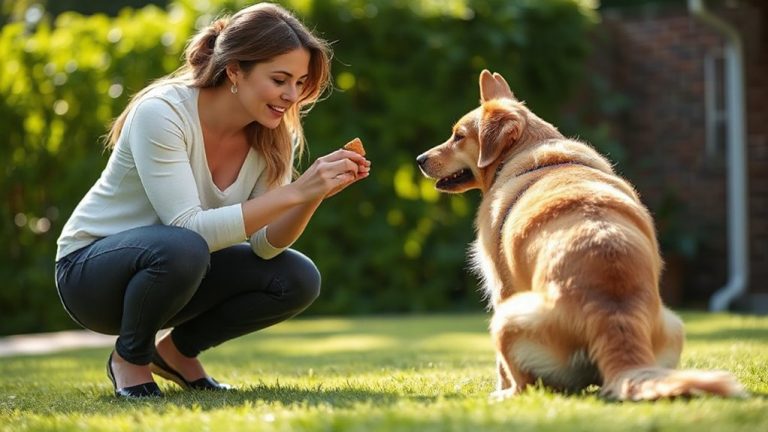
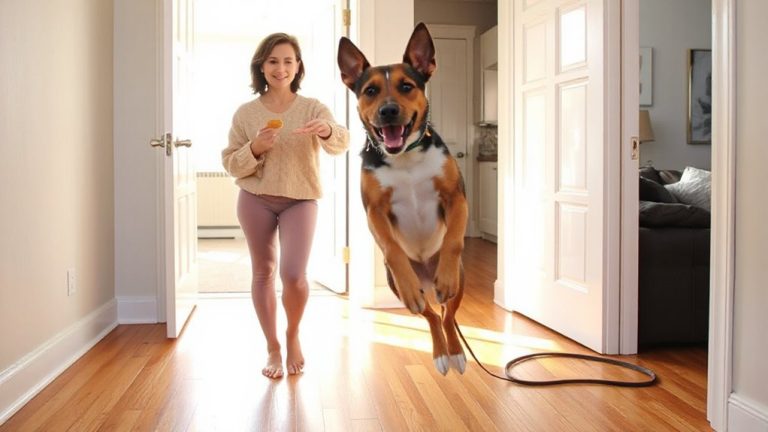
Regularly brushing your dog establishes a predictable routine that minimizes stress and supports coat health. A consistent grooming routine prevents matting in thick coats and reduces irritation for sensitive skin. Begin with short sessions every 2–3 days, lasting 5–10 minutes, to acclimate your dog. Use positive reinforcement-offer small treats and calm praise immediately after cooperative behavior. This strengthens compliance and builds trust. Gradually increase session length as your dog adapts. Use a slicker brush with fine, rounded pins spaced 2–3 mm apart to minimize scratching. Follow with an undercoat rake featuring 6 mm tines to remove loose undercoat without pressing too hard. Always brush in the direction of hair growth, applying light, even pressure. Over time, this steady approach conditions your dog to remain still and relaxed, enhancing both skin integrity and coat texture.
On a final note
Brushing your dog’s thick coat properly prevents irritation. Use a wide-toothed slicker brush with rounded tips-ideal for sensitive skin. Apply minimal pressure, no more than 150 grams per square inch. Work in 1-inch sections, starting at the undercoat. Detangle with a 5mm-parting comb before topcoat brushing. Finish with a hypoallergenic leave-in spray (pH 5.5–7.0). Repeat every 3–4 days to reduce shedding by up to 60% and support skin barrier health.