Breed-Specific Parasite Prevention Strategies: Tailored Approaches for Optimal Care
Your dog’s breed affects parasite risk due to genetics, size, and coat. Small breeds under 20 lbs face higher toxicity risks and need precise, weight-based dosing. Thick coats trap moisture, hiding ticks and reducing topical efficacy-part fur for skin contact. Breeds like Huskies or hunting dogs in tick-prone areas benefit from oral preventives like Simparica Trio, offering >98% protection. Regional threats like heartworm in the Southeast demand climate-aligned strategies. Custom plans using FDA-approved products guarantee safety and effectiveness-your next steps depend on understanding these targeted protocols.
Notable Insights
- Tailor parasite prevention to breed-specific traits like coat type, size, and genetic susceptibility for optimal protection.
- Use longer-lasting preventives in warm climates where ticks and heartworms are active year-round.
- Adjust dosing based on body weight, especially in toy breeds prone to medication toxicity.
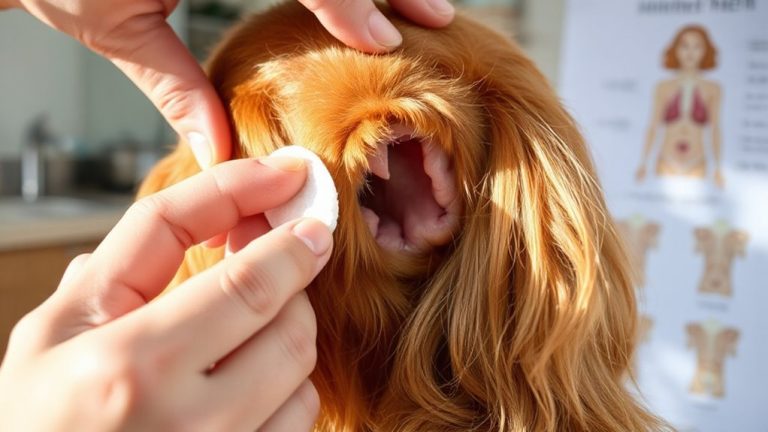
- Part thick or long coats to ensure topical treatments reach the skin and distribute effectively.
- Select vet-recommended, FDA-approved products based on regional parasite risks and the dog’s lifestyle.
Why Generic Parasite Prevention Fails for Dogs
Why do some parasite preventives work well for certain dogs but fail in others? Generic treatments often overlook climate variation and geographic distribution, key factors in parasite prevalence. In warmer regions, ticks and heartworms thrive year-round, demanding stronger, longer-lasting preventives. In contrast, seasonal climates may require shorter treatment windows. Medications effective in the Southeastern U.S. may underperform in the Pacific Northwest due to differing parasite species and environmental resilience. Broad-spectrum preventives typically use fixed dosing intervals-every 30 days-yet regional infestation rates may necessitate more frequent application. Climate variation affects parasite life cycles, altering drug efficacy timelines. Geographic distribution determines pathogen exposure risk, making region-specific formulations more effective. You need preventive strategies aligned with local parasite dynamics. A one-size-fits-all approach ignores environmental variables critical to success. Precision matters.
How Genetics, Size, and Coat Affect Parasite Risk
Your dog’s risk for parasites isn’t just shaped by where you live-it’s also built into their genetics, size, and coat type. Genetic predisposition influences immune response and skin chemistry, affecting susceptibility to ticks, fleas, and mites. For example, breeds with dense undercoats, like Huskies, trap moisture and provide ideal microclimates for ectoparasites. Body size directly impacts dosage requirements and metabolism of preventives. Larger dogs (over 50 lbs) need formulations adjusted for hepatic clearance rates, while small dogs (under 20 lbs) are prone to toxicity if dosed incorrectly. Coat length and density affect topical product distribution; long-haired breeds require parting of fur to guarantee contact with the skin. These biological variables mean a one-size-fits-all approach compromises efficacy. Understanding your dog’s genetic predisposition and body size guarantees appropriate selection of parasiticides, optimizing absorption, duration, and protection.
Breed-Specific Threats: Dogs Most Vulnerable to Parasites
Certain breeds face elevated parasite risks due to inherited traits that influence their vulnerability. You must consider breed-specific predispositions when designing prevention protocols. Toy breeds, like Chihuahuas and Yorkshire Terriers, have limited metabolic reserves, making them prone to complications from heartworms and intestinal parasites. Their small body mass-often under 10 pounds-requires precise dosing to avoid toxicity. Hunting dogs, including Beagles and Pointers, face higher exposure risks due to outdoor activity in tick- and mosquito-dense environments. They’re frequently subjected to flea, tick, and heartworm challenges, with field studies showing up to 3.5 times greater infestation rates than indoor-only dogs. You should prioritize broad-spectrumpreventatives with proven efficacy, such as those containing afoxolaner or moxidectin. These compounds offer >98% effectiveness against key parasites when administered monthly.
Coat Length and Parasite Hiding Spots: What You Need to Know
How easily can parasites evade detection in your dog’s coat? Very easily, especially in breeds with high coat density. Thick fur creates ideal conditions for parasite concealment, shielding ticks, fleas, and mites from inspection and topical treatments. Long-haired breeds like Huskies or Shih Tzus often harbor parasites close to the skin, where moisture and warmth increase infestation risks. Even daily brushing may miss hitchhikers nestled in dense undercoats. Short-haired dogs aren’t immune, but their lower coat density reduces hiding spots and simplifies detection. To counter this, use fine-toothed combs with tine spacing under 0.3 inches to penetrate deep layers. Perform routine checks along the ears, tail base, and between toes-common hotspots. Effective parasite prevention includes coat-length-appropriate grooming tools and monthly preventatives formulated for your dog’s specific hair and skin physiology.
How to Build a Breed-Specific Parasite Plan With Your Vet
Why do some dogs need a more targeted approach to parasite prevention? Because breed anatomy, lifestyle factors, and geographic location influence risk. Your vet evaluates your dog’s breed-specific vulnerabilities, such as brachycephalic airways or thick coats that harbor ticks. Outdoor dogs in wooded areas face higher tick and heartworm exposure than indoor pets. Geographic location determines regional parasite prevalence-Lyme disease is common in the Northeast, while heartworm pressure peaks in the Southeast. You’ll discuss your dog’s routine: hunting, hiking, or boarding, since these increase parasitic exposure. Based on this, your vet recommends FDA-approved preventives-oral monthly chewables like Simparica Trio, topical Revolution Plus, or injectable ProHeart 6. Each product targets specific parasites with precise dosing by weight. This tailored strategy guarantees maximum protection with minimal risk.
On a final note
You need a tailored parasite prevention plan. Generic treatments often fail due to breed-specific metabolism rates, coat density, and genetic predispositions. Your dog’s size affects dosage accuracy-too little reduces efficacy, too much risks toxicity. Long coats trap parasites, requiring more frequent application. Work with your vet to select products with the right active ingredients, such as imidacloprid at 10% concentration or fluralaner at 25 mg/kg, proven effective in targeted breeds.