Skin Allergies in Cats: Identifying Causes and Effective Treatments
You notice your cat scratching nonstop, and the skin looks red or has tiny 1–3 mm papules-classic signs of allergic dermatitis. Flea saliva proteins, even from a single bite, often trigger this. Others react to pollen, dust mites, or food proteins like beef or dairy. Your vet may perform skin scrapings or a food elimination trial to identify the cause. Treatment starts with chlorhexidine 3% shampoos every 5–7 days, then uses prednisolone at 1–2 mg/kg daily. Chronic cases need cyclospor CCD infusion solution: 5–7 mg/kg once daily. Antihistamines like chlorpheniramine work in about 30% of cats. Prevent flare-ups by vacuuming twice weekly with a HEPA filter, washing bedding weekly in 130°F water, and using MERV 11–13 HVAC filters monthly. Next steps explain how diagnosis confirms the exact allergen and shapes long-term control.
Notable Insights
- Excessive scratching, hair loss, and red, inflamed skin are common signs of allergies in cats.
- Flea saliva proteins can trigger severe itching, even from a single bite.
- Environmental allergens like pollen, mold, and dust mites may cause dermatitis through inhalation or contact.
- Food intolerances to proteins such as beef, dairy, or chicken can lead to skin symptoms.
- Treatment includes medicated shampoos, prednisolone, cyclosporine, and identifying triggers via elimination diets or allergy testing.
Signs of Skin Allergies in Cats
Itching, the most common indicator of skin allergies in cats, often leads to excessive scratching, licking, or biting at the skin. You’ll notice your cat exhibiting persistent grooming behaviors that exceed normal hygiene needs. Hair loss typically follows, especially along the back, abdomen, or neck, due to mechanical trauma from overgrooming. The affected areas often show visible redness, a result of dermal inflammation and increased blood flow. You may observe erythematous lesions or papules measuring 1–3 mm in diameter. Skin barrier disruption accompanies these symptoms, increasing susceptibility to secondary infections. In chronic cases, lichenification-thickened, leathery skin-can develop within 2–4 weeks without intervention. Monitoring both the pattern and progression of symptoms helps differentiate allergic dermatoses from other conditions. Early detection of redness and hair loss allows for timely diagnosis and management. These clinical signs, though nonspecific, are consistent markers when evaluating feline cutaneous health.
Common Causes of Cat Skin Allergies
Allergens are the invisible triggers behind most feline skin allergies, and identifying them is critical to effective treatment. Flea sensitivity is one of the most common causes, where a cat reacts to proteins in flea saliva. Just one bite can trigger intense itching and dermatitis, especially along the lumbar region and tail base. Environmental allergens like pollen, mold, and dust mites also provoke reactions, often seasonally or in specific climates. Food intolerance is another key factor, typically linked to proteins such as beef, dairy, or chicken. These allergies develop over time with repeated exposure and cause non-seasonal symptoms like facial pruritus and ear inflammation. Unlike true food allergies, food intolerance doesn’t involve the immune system but still disrupts skin health. Allergens penetrate through ingestion, inhalation, or direct contact. Identifying the type helps narrow treatment options and improves long-term management success.
How Your Vet Diagnoses Skin Allergies
How do you begin untangling the cause when your cat’s skin issues persist? Your vet starts with a differential diagnosis, systematically ruling out conditions like parasites, fungal infections, and autoimmune disorders. They’ll review your cat’s medical history, conduct skin scrapings, and possibly order blood tests or allergy panels.
| Diagnostic Step | Purpose |
|---|---|
| Skin Scraping | Detect mites or fungal elements |
| Food Elimination Trial | Assess response to treatment |
| Intradermal Testing | Identify environmental allergens |
A methodical approach guarantees accurate results. You’ll track changes during a food trial, since a positive response to treatment confirms the diagnosis. Time and consistency are essential. Your vet relies on clinical signs and test outcomes to differentiate allergy types. Accurate documentation improves diagnostic success.
Treating Cat Skin Allergies
Where do you start when managing your cat’s allergic skin response? Begin with your vet’s recommended treatment plan, which often includes both topical treatments and oral medications. Topical treatments, like medicated shampoos containing chlorhexidine 3% or miconazole, reduce surface allergens and secondary infections. Apply every 5–7 days initially, then as maintenance every 2–4 weeks. Leave on for 10 minutes before rinsing. Oral medications address systemic inflammation. Prednisolone, dosed at 1–2 mg/kg every 24 hours initially, suppresses immune overreaction. For long-term control, cyclosporine at 5–7 mg/kg once daily modulates immune function with fewer side effects. Antihistamines like chlorpheniramine (2–4 mg/cat daily) may help but work in only ~30% of cases. Always use products labeled for cats-never dogs. Follow dosage schedules precisely. Treatment success depends on consistent application and monitoring for adverse reactions.
Preventing Cat Allergy Flare-Ups
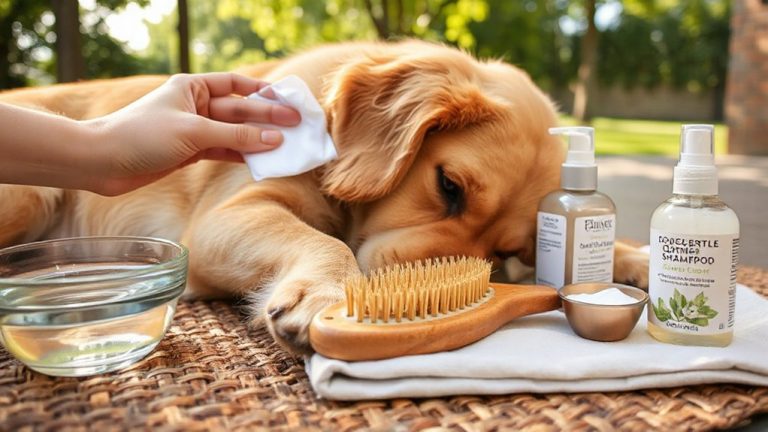
While you can’t eliminate every trigger, you can substantially reduce the frequency and severity of allergy flare-ups with consistent environmental and dietary management. Regular cat grooming removes allergens and loose fur, minimizing skin irritation. Use a hypoallergenic shampoo every 4–6 weeks unless otherwise directed. Pair this with daily brushing to prevent allergen buildup. Environmental control is equally essential-replace HVAC filters monthly with HEPA-rated models (MERV 11–13). Vacuum carpets and upholstery twice weekly using a vacuum with a HEPA filter. Using a high-quality pet car seat cover can also help limit outdoor allergens brought into the home after veterinary visits or travel.
| Factor | Recommended Action |
|---|---|
| Cat grooming | Brush daily, bathe monthly |
| Air quality | Use HEPA air purifier (50–100 CADR) |
| Bedding | Wash weekly in hot water (130°F) |
| Flooring | Opt for hard surfaces over carpet |
These steps create a consistent, low-allergen habitat.
On a final note
You can manage your cat’s skin allergies effectively with accurate diagnosis and targeted treatment. Allergies often stem from fleas, food, or environmental triggers like pollen. Your vet may perform intradermal testing or serum allergy testing to identify specific antigens. Treatments include antihistamines, glucocorticoids, or cyclosporine at 5–10 mg/kg daily. Prevent flare-ups with strict flea control, hypoallergenic diets, and environmental modifications. Consistent monitoring improves long-term outcomes.