Cleaning Your Dog’s Face After Swimming to Prevent Ear and Eye Infections
After swimming, water trapped in your dog’s ears raises humidity, promoting bacterial and yeast growth-risking infection by 3.5 times if humidity exceeds 60%. Use a microfiber towel to gently pat the face, ears, and muzzle dry for at least two minutes. Avoid rubbing. Apply pH-balanced, alcohol-free wipes (7 x 8 inches) with aloe or chamomile to clean and soothe. For ears, use a vet-approved cleaner on a cotton ball-never insert it. Consistent care reduces infection risk by up to 60%. Further details on effective products and techniques follow.
Notable Insights
- Dry your dog’s face with a microfiber towel using gentle pressure to avoid irritation around ears and eyes.
- Cleanse ears with a veterinary-approved solution, never inserting anything deep into the ear canal.
- Tilt your dog’s head to help drain water and reduce moisture that promotes bacterial and yeast growth.
- Use pH-balanced, non-toxic wipes to remove chlorine and contaminants without disrupting skin or tear film.
- Watch for signs like head tilting, redness, discharge, or squinting, and consult a vet if they appear.
What Water Does to Your Dog’s Ears & Eyes
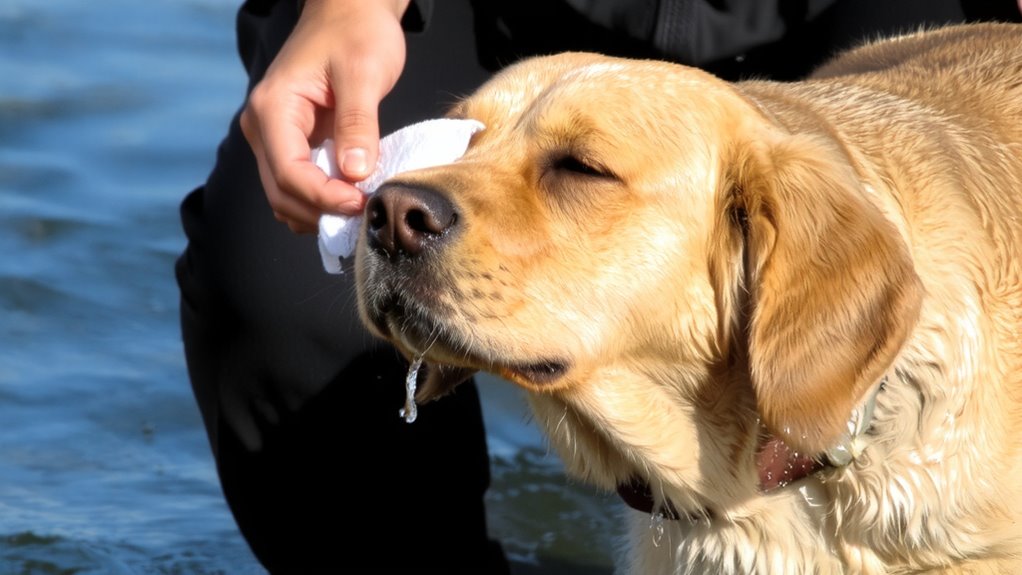
While water may seem harmless, it can create ideal conditions for bacteria and yeast to thrive in your dog’s ears and eyes after swimming. Water exposure softens ear canal skin, reducing its natural barrier function. Moisture trapped in the horizontal ear canal-especially in breeds with floppy ears-elevates humidity, promoting microbial growth. Relative humidity above 60% in ear canals increases infection risk by up to 3.5 times within 24 hours post-swim. Pseudomonas aeruginosa and Malassezia pachydermatis proliferate rapidly in damp environments. In the eyes, residual chlorine or organic contaminants disrupt the tear film, leading to irritation or keratitis. Saline pH imbalances from lake or pool water compromise ocular defenses. Bacterial load in stagnant water exceeds 1,000 CFU/mL, heightening infection risk. You must act quickly post-swim to mitigate these physiological changes before clinical symptoms develop.
How to Dry Your Dog’s Face After Swimming
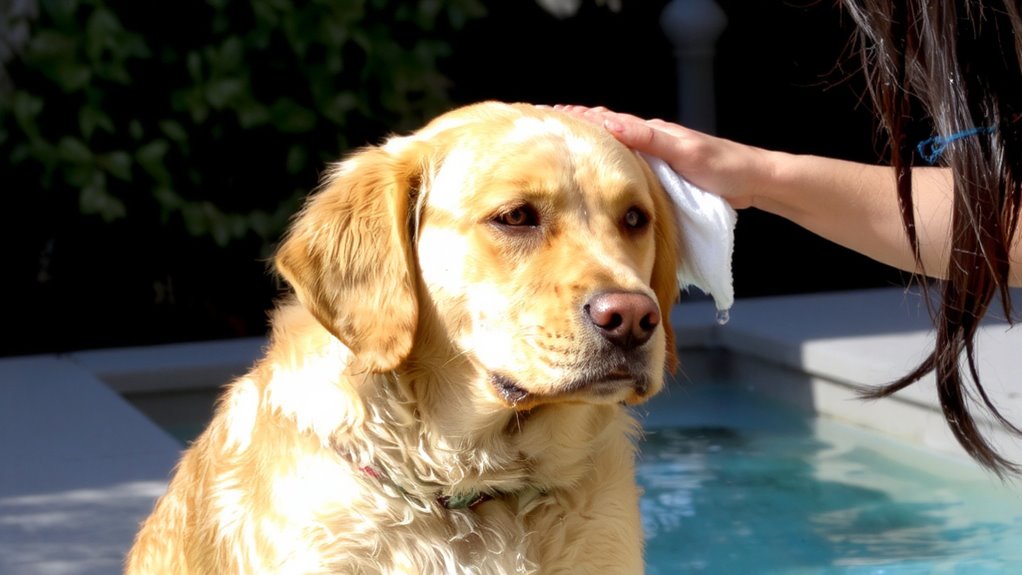
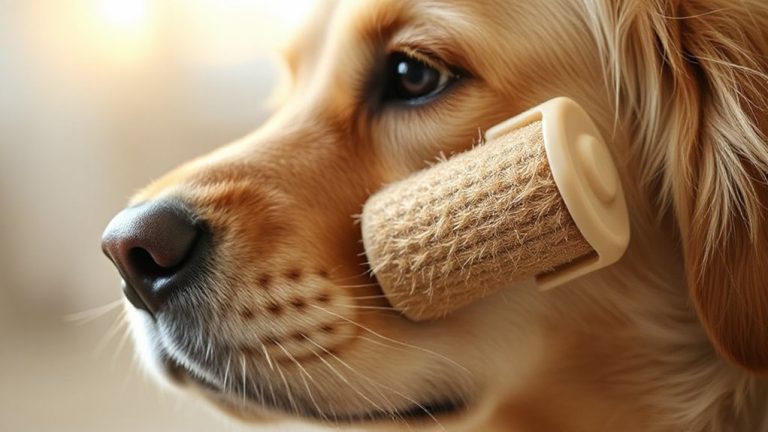
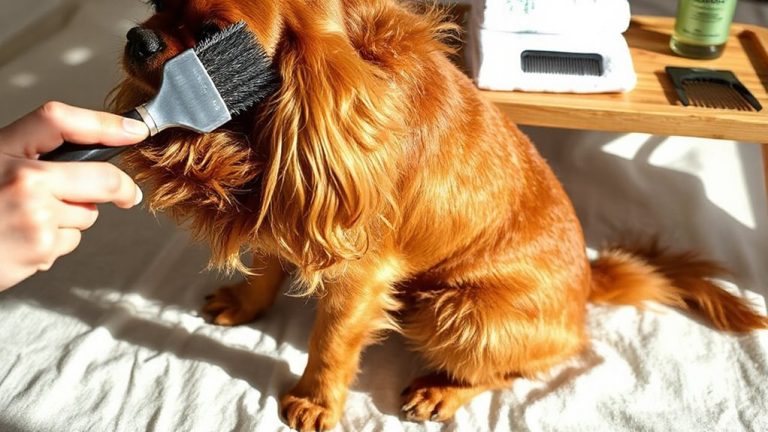
A thorough drying routine is essential to prevent moisture-related infections after your dog swims. Facial moisture can trap bacteria, especially in breeds with folds or long muzzles. Start by using a clean, absorbent microfiber towel-its fibers wick water 30% faster than cotton. Apply gentle pressure; don’t rub, as friction may irritate sensitive skin around the eyes and ears. Use a precise towel technique: fold the towel into a strip, then dab and lift along the muzzle, cheeks, and under the eyes. For hard-to-reach areas, twist the towel into a small loop to absorb moisture from facial creases. Pay close attention to the ear flaps and base, where water collects. Dry for at least two minutes post-swim. Confirm all dampness is removed to reduce infection risks. A consistent, methodical approach guarantees excellent facial hygiene.
Top Wipes and Cleansers for Post-Swim Care
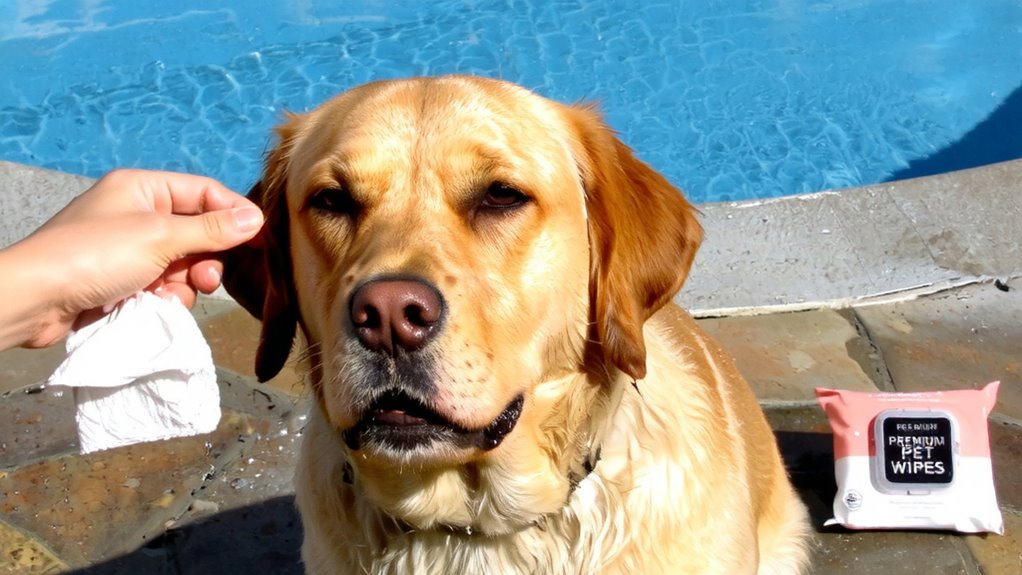
You’ve dried your dog’s face thoroughly, but residual bacteria, chlorine, or salt can still linger on the skin and around sensitive areas. Top post-swim wipes contain pH-balanced, non-toxic formulations designed for canine dermatology. Look for products with ingredient safety certifications-such as veterinary approval or MADE SAFE® recognition-to avoid irritants like parabens, alcohol, and artificial dyes. Hypoallergenic cleansers with aloe vera or chamomile soothe micro-abrasions while maintaining the skin barrier. Opt for fragrance-free options if your dog shows scent sensitivity, as overpowering essential oils can trigger agitation or allergic responses. Pre-moistened wipes with textured fabric efficiently lift grime without scrubbing. Each wipe typically measures 7 x 8 inches, ensuring full facial coverage. Brands like Vetericyn, Burt’s Bees, and Pogi’s use isotonic solutions that mimic natural tear pH, reducing ocular irritation risk. These cleansers are clinically tested, removing 99.9% of chlorine in lab conditions. Always check expiration dates-efficacy declines after 24 months. For trusted options tailored to your dog’s needs, consider checking the best dog wipes based on performance, safety, and veterinarian recommendations.
Step-by-Step: Prevent Dog Ear Infections
Why do so many dogs develop ear infections after swimming? Water trapped in the ear canal creates a moist environment ideal for bacterial and yeast growth. Proper ear hygiene is critical post-swim. Start by tilting your dog’s head downward to allow drainage. Use a veterinary-approved ear cleaning solution-never alcohol or hydrogen peroxide. Saturate a cotton ball and gently wipe the outer ear canal; don’t insert anything deep. Dry thoroughly to eliminate residual moisture. For floppy-eared breeds like Spaniels, this step is non-negotiable-trapped facial moisture promotes infection. Use a microfiber towel to pat the area around the ears and muzzle. Repeat weekly if your dog swims regularly. Consistent care reduces infection risk by up to 60%. Prevention hinges on eliminating moisture and maintaining clean, dry ear canals through structured, simple routines. For persistent cases, consult your vet about effective dog ear infection medicine options tailored to your pet’s needs.
When to Call the Vet: Signs of Infection
How can you tell when a routine swim leads to something worse? Watch for persistent head tilting, excessive scratching at the ears, or discharge with a foul odor-these are red flags. Infection symptoms like redness, swelling, or warmth around the ears or eyes require prompt attention. If your dog squints, paws at their face, or shows sensitivity to touch, consider a vet consultation. Bacterial and yeast infections thrive in moist environments; delayed treatment risks chronic issues or hearing loss. Otitis externa, common post-swim, presents with erythema and ceruminous exudate. Untreated, it can progress deeper into the auditory canal. Eye infections may show as conjunctival hyperemia or purulent discharge. Early vet consultation improves prognosis. Do not rely on home remedies alone. Use a vet-approved otoscope examination for accurate diagnosis. Prevent long-term damage with timely medical intervention. Maintaining good oral hygiene practices can also support overall health and reduce bacterial spread.
On a final note
Keep your dog’s face dry after swimming to prevent infections. Moisture in ear canals promotes bacterial and yeast growth, especially in breeds with floppy ears. Use a microfiber towel to gently dry outer ears and around the eyes. Apply a veterinarian-approved, alcohol-free ear cleanser-like Virbac Epi-Otic Advanced-that maintains a pH of 3.5–4.5. For eyes, use saline wipes with no fragrances. Check weekly for redness or odor, which signal infection.