How to Create a Weight-Loss Diet for Dogs With Anxiety and Stress-Related Overeating
You can manage your dog’s stress-related overeating by combining calming nutrition with structured feeding. Offer low-calorie snacks like pumpkin or boiled turkey (under 30 kcal/100g) paired with L-theanine or alpha-casozepine to reduce anxiety. Stick to two meals 12 hours apart, ideally by 7 PM, using programmable feeders for consistency. Use food puzzles to extend mealtime up to 15 minutes and curb gulping. Limit treats to 10% of daily calories and track weight every 2–4 weeks. Adjust intake by 10–15% if progress stalls. A vet will assess body condition, lab results, and behavioral changes every 6 weeks to fine-tune the plan. More details on optimizing each component follow.
Notable Insights
- Address anxiety first with calming snacks containing L-theanine or alpha-casozepine to reduce stress-driven overeating.
- Use low-energy-density foods like pumpkin or green beans to increase meal volume while minimizing calories.
- Stick to consistent feeding times twice daily to regulate cortisol and prevent metabolic disruptions.
- Incorporate food puzzles to extend eating time, boost mental stimulation, and decrease food fixation.
- Monitor progress with biweekly weigh-ins and adjust calories by 10–15% if weight loss stalls or anxiety continues.
See If Anxiety Is Making Your Dog Overeat?
Could your dog’s anxiety be driving their eating habits? Behavioral triggers like thunderstorms, separation, or routine changes can stimulate emotional eating in dogs. You might notice increased food-seeking, gulping meals, or begging despite adequate caloric intake. These behaviors often mimic hunger but stem from stress, not nutritional need. Emotional eating bypasses normal satiety signals, leading to excess calorie consumption. Studies show dogs with anxiety disorders consume up to 25% more daily calories during high-stress periods. Elevated cortisol levels alter metabolism, increasing appetite. Monitor your dog’s environment for identifiable triggers-timing, location, and frequency matter. Documenting behavior patterns helps distinguish true hunger from stress-driven consumption. Addressing root causes early prevents obesity and related health complications. Recognizing the link between anxiety and overeating is critical for effective dietary management. Targeted support such as Top Picks for Pet Anti-Anxiety Solutions can reduce stress-induced eating behaviors.
Feed Calming, Low-Calorie Foods to Reduce Stress Eating
While managing your dog’s anxiety-driven eating habits, selecting the right food can make a measurable difference in both calorie intake and stress levels. Calming snacks containing L-theanine, alpha-casozepine, or hydrolyzed milk protein help reduce nervous behaviors without excessive calories. Choose low-energy-density foods-like boiled turkey with green beans or pumpkin puree-at under 30 kcal per 100 grams to support satiety. These options allow larger volumes with fewer calories, aiding portion control. Feed no more than 10% of daily caloric intake as treats to maintain diet integrity. Use a kitchen scale to measure portions precisely, preventing accidental overfeeding. Fiber-rich, low-calorie vegetables such as zucchini and cucumber provide chewing satisfaction while contributing minimal energy. These foods mimic high-calorie textures, reducing compulsive eating. Consistent use of calming snacks paired with strict portion control decreases stress-related consumption. This structured feeding approach supports weight loss while addressing the behavioral component of overeating. Consider incorporating vet-recommended calming supplements for pets to further support emotional balance during dietary transitions.
Keep a Consistent Feeding Schedule for Anxious Dogs
You’ll see better results when your anxious dog eats at the same times every day. Consistent feeding routines regulate cortisol levels, reducing stress-driven hunger. Irregular meal timing disrupts metabolic signaling, increasing fat storage by up to 18% in predisposed dogs. Set two daily meals, spaced 12 hours apart, aligning with circadian rhythms. Morning feeding should occur within one hour of waking; evening meals end by 7 PM to support overnight lipid metabolism. Use programmable auto-feeders with ±10-minute accuracy to maintain schedule integrity. Dogs on fixed feeding routines show 30% less begging and 25% improved satiety signaling. Meal timing also enhances gut motility predictability, lowering anxiety-related gastrointestinal upset. Avoid ad-lib feeding-it elevates cortisol variability by 22% in stressed canines. Precision in feeding schedules supports weight loss and behavioral stability. Consistency isn’t just routine-it’s physiological reinforcement.
Add Enrichment to Mealtime for Mental and Physical Balance
Because mealtime influences both cognitive engagement and metabolic rate, enriching your dog’s feeding routine supports weight management and reduces anxiety-driven behaviors. Food puzzles increase satiety through prolonged consumption, slowing eating by up to 75% compared to standard bowls. They stimulate problem-solving, reducing stress-related overeating through mental fatigue. Interactive bowls, such as the Outward Hound Fun Feeder, extend mealtime from 2 to 15 minutes, promoting healthy digestion and reducing air ingestion. These devices dispense food only when manipulated correctly, providing targeted mental stimulation. Models vary by difficulty: Novice-level puzzles release kibble with minimal movement, while advanced versions require strategic rolling or flipping. Use durable, non-toxic materials-preferably dishwasher-safe plastics or stainless steel. Adjust difficulty based on your dog’s skill to maintain engagement without frustration. Rotate designs weekly to prevent habituation and sustain cognitive challenge.
Track Progress With Your Vet and Adjust Your Plan
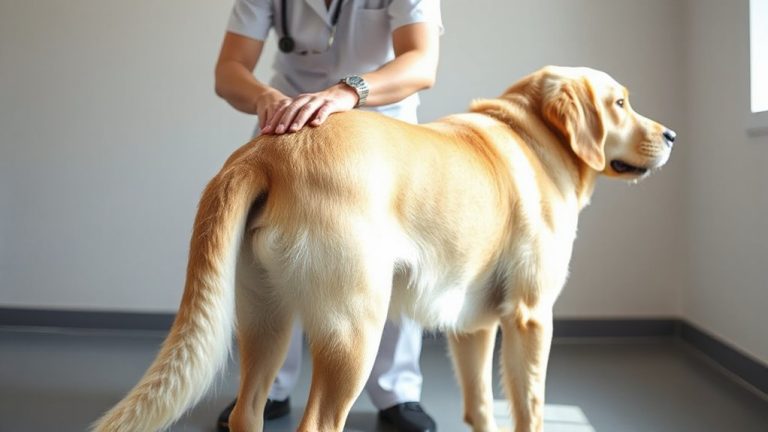
How do you know if your dog’s weight-loss and anxiety plan is working? Regular vet checkups are essential. You’ll monitor changes in body condition using the 9-point scale, aiming for a score of 4–5 where ribs are palpable with minimal fat cover. Weigh your dog every 2–4 weeks to track progress. Your vet will review lab results, including liver enzymes and lipid profiles, to guarantee metabolism isn’t compromised. If weight loss stalls or anxiety persists, your vet may adjust calorie intake by 10–15% or recommend a different therapeutic diet. Behavioral assessments every 6 weeks help determine if stress-related eating improves. Never make changes without professional guidance. Consistent data-body condition, lab results, food logs, and activity levels-inform precise modifications. This structured approach guarantees safety, promotes sustainable weight loss, and addresses underlying anxiety effectively.
On a final note
You must address both anxiety and caloric intake to manage stress-related overeating in dogs. Use low-calorie, high-fiber diets-containing 4–6% beet pulp or cellulose-to promote satiety. Feed meals at consistent times, ideally every 12 hours, to stabilize cortisol levels. Incorporate slow-feed enrichment devices reducing eating speed by up to 70%. Monitor weight weekly; aim for 1–2% body weight loss per week. Collaborate with your vet to adjust calories and behavioral strategies based on progress.