Identifying Hidden Calorie Sources in Your Cat’s Daily Treats and Snacks
Your cat’s treats can pack hidden calories-some deliver over 20% of their daily needs in just one piece. A 10-calorie treat equals a meal’s worth for a 10-pound cat. Many contain 3–5 kcal per gram, with ingredients like poultry fat, corn gluten, or cheese adding dense energy. Even “healthy” or prescription options often exceed 30 kcal. Table scraps like chicken skin (9 kcal/g) worsen imbalance. Low-calorie alternatives such as tuna flakes (2–3 kcal each) offer safer rewards. Discover how simple swaps improve long-term health.
Notable Insights
- Many cat treats pack meal-sized calories, with just one 10-calorie treat meeting over 20% of a cat’s daily needs.
- High-calorie ingredients like animal fats, grain fillers, and poultry by-products add empty calories without nutritional benefits.
- Table scraps such as cheese and chicken skin are calorie-dense and can quickly exceed a cat’s daily energy balance.
- Even “healthy” or prescription treats can be energy-rich, with dental or mobility treats often containing 30–40 kcal each.
- Opt for low-calorie alternatives like tuna flakes or freeze-dried chicken bits, which offer flavor and nutrition with minimal calories.
Why Cat Treats Are Higher in Calories Than You Realize
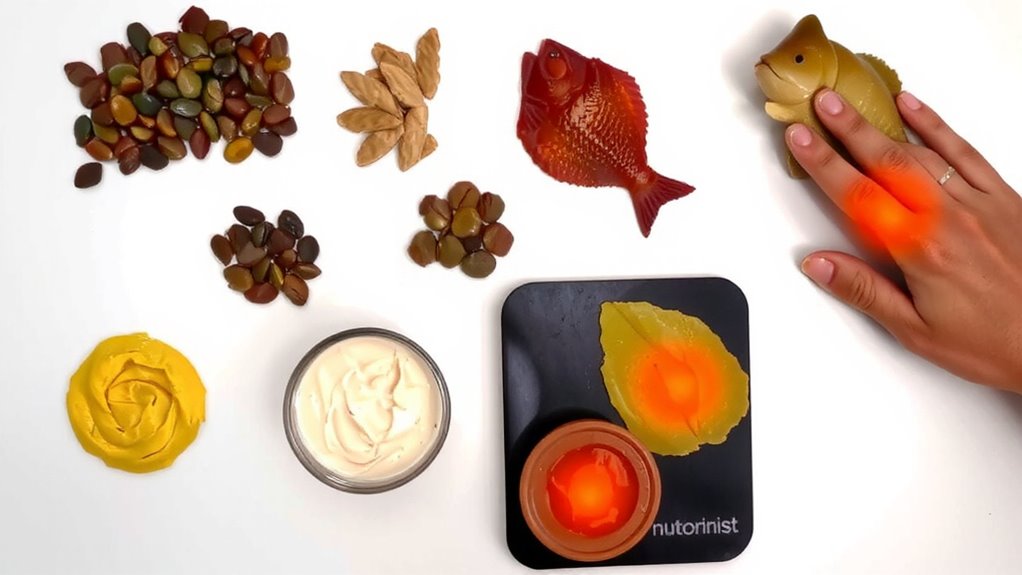
While you might assume cat treats are harmless indulgences, many pack far more calories than people realize-sometimes equivalent to a full meal in just a few small pieces. Treat frequency directly impacts daily caloric intake, and exceeding recommended feeding guidelines leads to energy surplus. A single 10-calorie treat represents over 20% of a 10-pound cat’s daily needs-approximately 200 kcal. Portion distortion occurs when owners misjudge serving sizes, often dispensing two to three times the suggested amount. For example, a typical treat cup may hold 30 pieces, but the label advises only five per day. Overfeeding by even 50 kcal daily can result in a one-pound weight gain per month. Caloric density in treats ranges from 3–5 kcal per gram, rivaling premium kibble. Consistent overuse undermines weight management protocols. Accurate portioning and strict adherence to frequency guidelines are essential for maintaining metabolic balance.
Common High-Calorie Ingredients in Popular Cat Treats
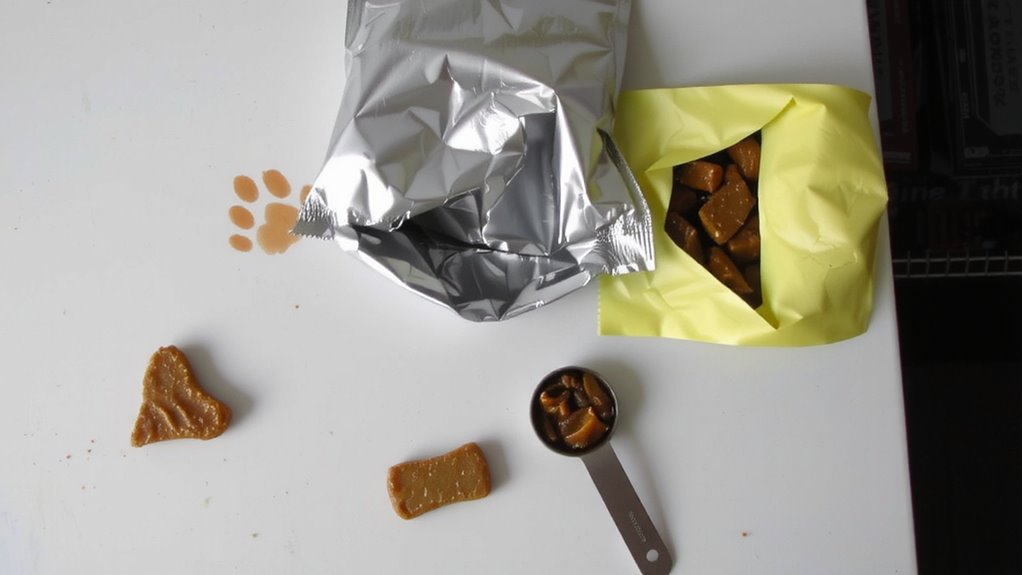
Because many cat treats are formulated for palatability rather than nutritional balance, they often contain high-calorie ingredients that considerably boost energy density. You’ll frequently find grain fillers like corn gluten meal and wheat by-products, which contribute empty calories and increase carbohydrate content. These fillers can make up to 30% of the dry matter in some treats, displacing protein and skewing nutrient ratios. Animal fats and poultry by-product meal are added for flavor but markedly raise caloric load-often exceeding 5 kcal per treat. Many also contain artificial preservatives such as BHA and BHT, which extend shelf life but offer no nutritional value. These chemical additives are linked to long-term health concerns in sensitive animals. Always check ingredient lists and guaranteed analysis labels. Choose treats with whole meat sources, minimal grain fillers, and no artificial preservatives to better manage your cat’s daily energy intake and maintain ideal body condition.
How Human Table Scraps Add Hidden Calories to Your Cat’s Diet
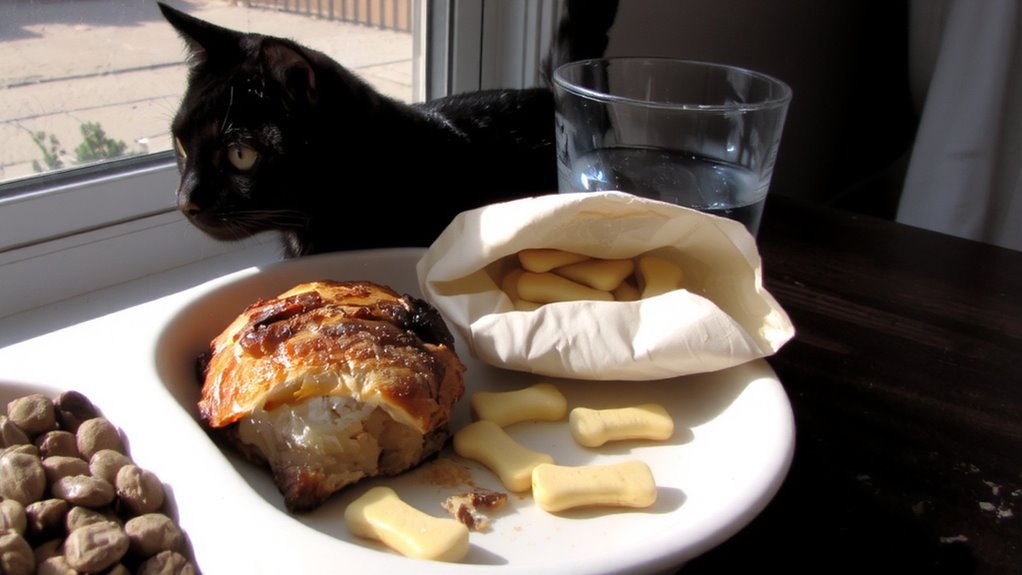
When you share table scraps with your cat, even small portions can contribute significant hidden calories that disrupt their daily energy balance. Table scraps often contain fats, oils, and carbohydrates with high caloric density-chicken skin (9 kcal/g) delivers over twice the energy of lean muscle meat (4 kcal/g). A 10-gram bite of cheese provides ~100 kcal, equivalent to nearly one-third of an average indoor cat’s daily requirement. Without strict portion control, these extras promote positive energy balance and gradual weight gain. Human foods lack feline-specific nutrients and may displace balanced commercial diets. Cats require 24–30 kcal per pound of body weight daily; unmeasured table scraps exceed 10–20% of this allotment. Treats, including table scraps, should not surpass 10% of total intake. Consistent portion control prevents caloric creep. You must measure any non-formulated food to maintain metabolic equilibrium and avoid inadvertent overfeeding. Precision matters. Choosing low-calorie options like best diabetic cat treats can help manage weight and blood sugar in cats with special dietary needs.
Even ‘Healthy’ and Prescription Treats Can Be Calorie Traps
Not all high-calorie treats look indulgent-some marketed as healthy or prescribed for medical conditions still pack excess energy. You may assume vet-recommended or natural treats are safe, but their metabolic impact can be significant. Many contain high ingredient density, meaning small volumes deliver substantial calories. For example, a single dental health treat can contain 30–40 kcal-up to 20% of an average indoor cat’s daily needs. Prescription mobility treats often use fat-rich carriers to improve palatability, increasing caloric load without obvious bulk. Even freeze-dried organ treats, though minimally processed, average 5–10 kcal per gram-comparable to calorie-dense human snacks. These values matter because consistent overfeeding, even with “good” treats, disrupts energy balance. That disruption contributes to weight gain and insulin resistance over time. Always check the kcal/kg value on packaging. Compare it to your cat’s Resting Energy Requirement (RER) to assess true metabolic impact.
Low-Calorie Treat Alternatives That Cats Still Love
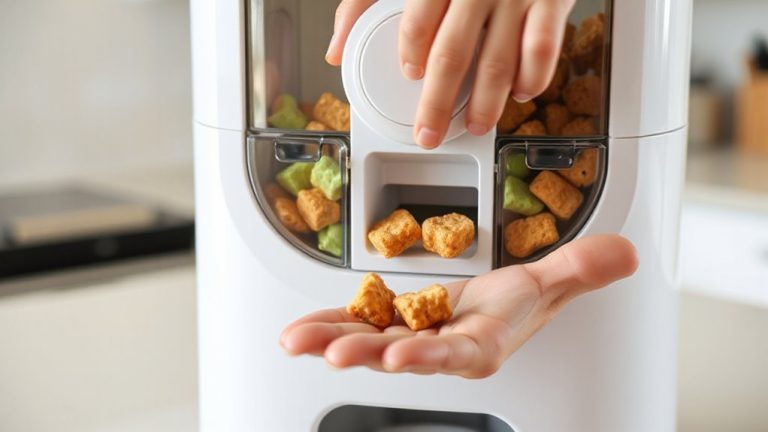
A few well-chosen low-calorie treats can satisfy your cat’s cravings without tipping their energy balance. Tuna flakes provide intense flavor with minimal caloric impact-just 2–3 kcal per flake-making them ideal for portion-controlled rewards. These dehydrated fish shavings are rich in protein (up to 70% dry matter basis) and deliver essential amino acids like taurine. Chicken bits, another smart option, typically contain 5–7 kcal per 0.1 oz piece, depending on moisture content. Commercially available freeze-dried versions retain 90% of raw nutrient value while offering shelf stability. Both options stimulate feline gustatory receptors effectively due to high nucleotide content, which mimics natural prey. Dispense using puzzle feeders to extend engagement. Rotate tuna flakes and chicken bits to prevent dietary boredom and guarantee varied nutrient exposure. Always verify ingredient lists for added fats or fillers.
On a final note
You must monitor treat calories closely to prevent feline obesity. A typical 10 lb cat needs just 180–200 kcal daily; ten treat calories equal 5% of intake. Many commercial treats contain calorie-dense ingredients like animal fat (9 kcal/g) or carbohydrates (4 kcal/g). Even dental chews average 15–20 kcal each. Opt instead for low-calorie alternatives such as freeze-dried chicken (3–5 kcal per piece) or steamed fish cubes. These provide palatability without caloric excess.