How to Use Aloe Vera Shampoos for Pets Recovering From Sunburn or Irritation
Use a veterinary-approved aloe vera shampoo with at least 10% aloe concentration and a pH between 6.2 and 7.5 to gently cleanse sunburned skin. Bathe your pet in lukewarm water (95°F–100°F) and apply the shampoo using circular motions. Rinse thoroughly to prevent residue buildup. Follow with a fragrance-free moisturizer containing ceramides. Proper application supports epidermal repair and reduces inflammation-key steps if you want ideal recovery outcomes.
Notable Insights
- Use a vet-approved aloe vera shampoo with at least 10% aloe and no alcohol or synthetic fragrances.
- Bathe in lukewarm water (95°F–100°F) to avoid further irritation and thermal stress.
- Gently massage shampoo into affected areas using circular motions, avoiding harsh scrubbing.
- Rinse thoroughly to eliminate residue that could irritate sunburned or sensitive skin.
- Follow with a fragrance-free, hypoallergenic moisturizer to support healing and hydration.
How to Tell If Your Pet Has Sunburn
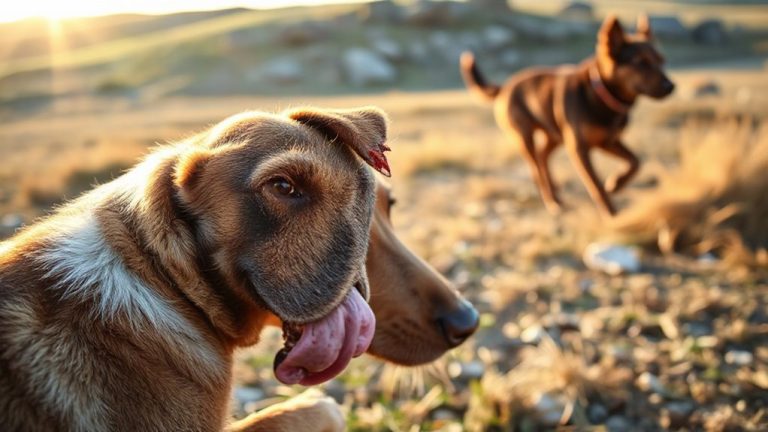
Have you noticed your pet acting unusually itchy or tender after spending time outdoors? Sunburn in pets is more common than you might think, especially in animals with thin coats or light-colored fur. The first sign is often redness detection-skin appears pink or reddish, particularly on sparsely furred areas like the nose, ears, and belly. This redness typically emerges within 6 to 12 hours of UV exposure. As the condition progresses, skin peeling may occur 24 to 72 hours post-exposure, signaling second-layer damage. You may also notice warmth upon touch and behavioral changes like excessive licking or avoidance of contact. Unlike human sunburns, pet sunburns can worsen rapidly due to delayed recognition. Early detection increases recovery speed and reduces risk of secondary infection. Monitoring for these symptoms after outdoor activity is critical-especially during peak UV index hours between 10 a.m. and 4 p.m.
How Aloe Vera Soothes Sunburned Pet Skin
Aloe vera is a proven remedy for calming sun-damaged skin in pets due to its natural anti-inflammatory and hydrating properties. Its anti inflammatory properties reduce redness, swelling, and discomfort quickly. Aloe vera gel contains compounds like glycoproteins that accelerate tissue repair. It also supports moisture retention by reinforcing the skin’s barrier with polysaccharides. This prevents dehydration in compromised areas. The plant’s enzymes aid in sloughing off dead skin without irritation. Below is a summary of key active components and functions:
| Component | Function | Effect on Sunburned Skin |
|---|---|---|
| Glycoproteins | Reduce inflammation | Soothes irritation, decreases pain |
| Polysaccharides | Enhance moisture retention | Maintains hydration, supports healing |
| Enzymes (e.g., bradykinase) | Promote cell regeneration | Clears damaged tissue, speeds recovery |
You can trust these biological mechanisms to assist in targeted, effective relief.
Choosing a Safe Aloe Vera Shampoo for Pets
What should you look for when selecting a shampoo that contains aloe vera for your pet? Prioritize ingredient safety by choosing products with at least 95% naturally derived components. Avoid shampoos with alcohol, parabens, or synthetic fragrances, as these can worsen skin irritation. Aloe vera should appear early in the ingredient list, indicating a meaningful concentration-ideally 10% or higher. Confirm product certification such as USDA Organic or EPA Safer Choice to guarantee rigorous testing standards. These certifications verify non-toxicity and environmental safety. Choose pH-balanced formulas between 6.2 and 7.5, matching a pet’s skin barrier. Veterinarian-recommended brands often undergo dermatological testing on animals with sensitive skin. Always check for third-party assay reports confirming aloe purity and absence of aloin, the irritating compound in raw aloe latex. Using certified products reduces risks and guarantees therapeutic effectiveness.
How to Bathe a Sunburned Pet Safely
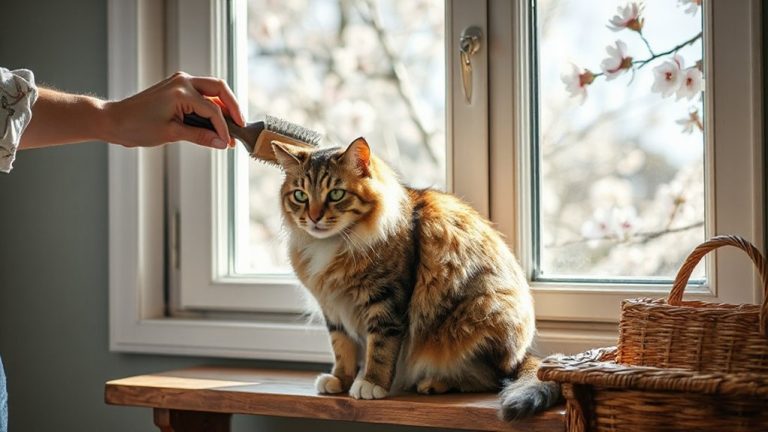
If your pet has developed a sunburn, bathing them requires extra caution to avoid worsening skin damage. Use lukewarm water only-ideal water temperature ranges between 95°F and 100°F (35°C–38°C)-to prevent thermal stress on compromised skin. Avoid hot water, which can increase inflammation and strip natural oils. Wet the coat thoroughly, then apply a veterinarian-approved aloe vera shampoo formulated for pets. Gently massage the product into the affected areas using circular motions, ensuring even distribution without abrasion. Rinse completely with clean, lukewarm water to eliminate residue that may cause irritation. After bathing, perform gentle drying with a soft, absorbent towel. Do not rub; instead, pat the skin to minimize friction. Never use a hairdryer, as forced heat can dehydrate and further damage sensitive tissue. Immediate post-bath handling should remain calm and restrained to support healing. Adding a touch of greenery like best desk plants can help create a calming recovery environment for both pets and owners.
Post-Bath Care to Speed Up Healing
How can you guarantee your pet’s skin recovers as quickly and safely as possible after a bath? Begin with proper post-bath care to support tissue repair and prevent further irritation. After towel-drying, perform coat conditioning using a vet-approved, lightweight detangler to minimize breakage and improve moisture retention. Follow immediately with moisturizer application: choose a fragrance-free, hypoallergenic balm containing ceramides or hyaluronic acid to reinforce the skin barrier. Apply a 0.5 mm layer evenly across affected zones, focusing on exposed areas like ears and nose. Reapply every 12 hours for 3–5 days or until redness resolves. Avoid occlusive petroleum-based products unless directed. Limit sun exposure during recovery. Consistent moisturizer application improves transepidermal water loss recovery by up to 40%, accelerating healing. Track improvement daily. For pets with underlying skin allergies, consider using a hypoallergenic dog shampoo to prevent further irritation during cleansing.
On a final note
You must use aloe vera shampoos correctly to treat sunburned pet skin. Choose products with at least 10% pure aloe vera and no alcohol, fragrance, or parabens. Bathe your pet in lukewarm water for 5–7 minutes, gently massaging the shampoo into affected areas. Rinse thoroughly to prevent residue buildup. Afterward, pat dry and apply a vet-approved aloe-based spray if needed to support healing.