Creating a Bland Diet Plan for Dogs Recovering From Gastroenteritis
Start your dog on a bland diet of boiled chicken and white rice in a 1:2 protein-to-carbohydrate ratio by weight. Use boneless, skinless chicken breasts simmered in water-no seasoning-and cook rice with a 2:1 water-to-rice ratio until soft. Feed 1/4 to 1/2 cup per 10 lbs body weight, divided into four small meals daily at room temperature. This low-fat, low-fiber meal reduces intestinal irritation, supports mucosal healing, and restores nutrient absorption. Continue for 24–48 hours after symptoms resolve, then shift gradually to regular food-doing so properly guarantees gut recovery stays on track.
Notable Insights
- Start with boiled chicken and white rice in a 1:2 ratio, plain and unseasoned, to ease digestion.
- Feed small portions every 3–4 hours to avoid overwhelming the recovering gastrointestinal tract.
- Add plain canned pumpkin for soluble fiber if stools remain loose, aiding in firming them.
- Transition back to regular food gradually over 4 days, increasing the ratio daily.
- Provide fresh water or unflavored electrolyte solutions to prevent dehydration during recovery.
What Causes Gastroenteritis in Dogs?
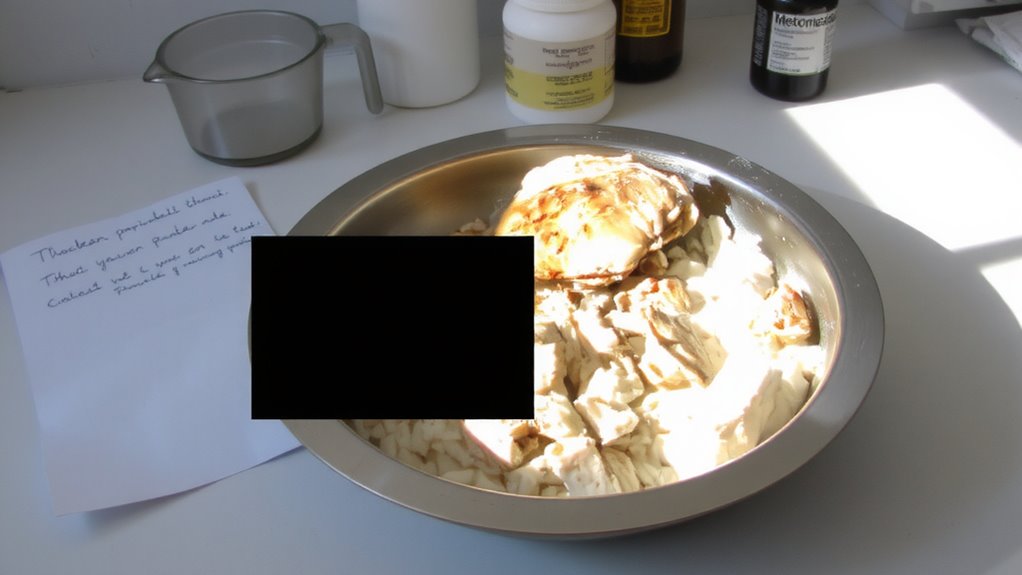
What could be triggering your dog’s sudden bout of vomiting and diarrhea? Gastroenteritis often stems from viral infections or dietary indiscretion. Viral infections, like canine parvovirus or rotavirus, invade intestinal cells, causing inflammation and fluid loss. These pathogens replicate rapidly, leading to severe symptoms within 24–48 hours of exposure. Dietary indiscretion-consuming spoiled food, garbage, or foreign objects-disrupts normal digestion. This irritates the gastrointestinal lining, triggering inflammation. The gut’s mucosal barrier becomes compromised, increasing permeability and stimulating immune response. Both causes result in malabsorption, electrolyte imbalance, and osmotic diarrhea. Incidence rates rise in puppies and immunocompromised dogs. Viral cases often present with bloody diarrhea and fever, while dietary indiscretion typically follows unsupervised access to inappropriate items. Accurate diagnosis requires clinical history, fecal testing, and sometimes PCR assays. Immediate supportive care is critical.
Why Bland Food Helps Dogs Recover
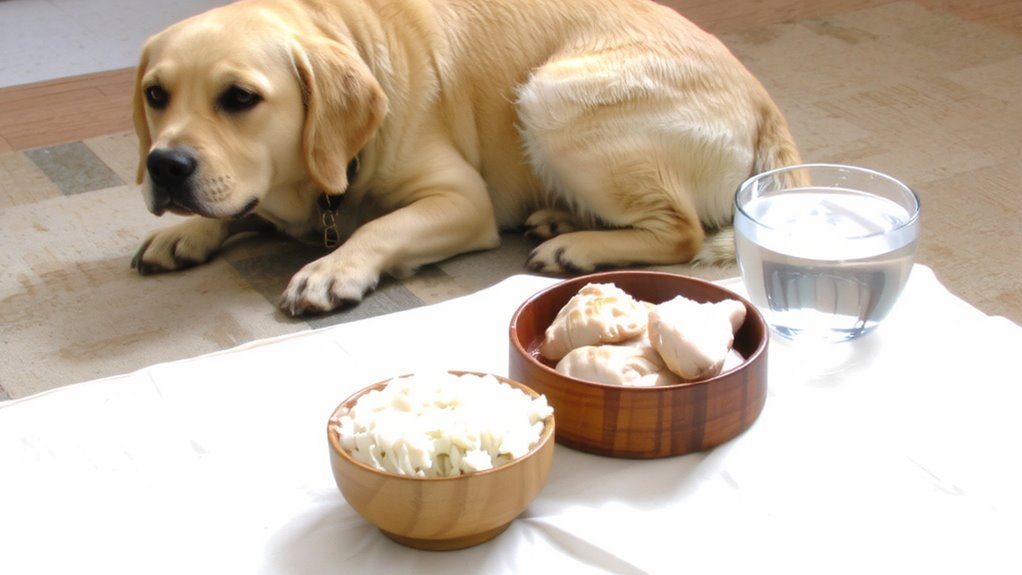
A bland diet supports recovery by reducing gastrointestinal irritation and restoring normal digestive function after an episode of gastroenteritis. It provides digestive rest, allowing inflamed intestinal tissues to heal. Without spicy, fatty, or fibrous ingredients, the gut experiences less peristalsis and secretion, decreasing strain on the system. This rest period minimizes cramping, vomiting, and diarrhea. Bland meals are easily broken down, promoting efficient nutrient absorption. Cooked lean proteins like skinless chicken and simple carbohydrates like white rice offer digestible calories without triggering irritation. The low-fat content reduces bile and acid production, further supporting mucosal recovery. You’ll notice improved stool consistency within 24–48 hours when following this approach. Proper nutrient absorption resumes as the intestinal lining repairs, preventing dehydration and muscle wasting. Always shift back to regular food gradually over 2–3 days to maintain digestive stability.
Best Foods to Feed a Dog With Diarrhea
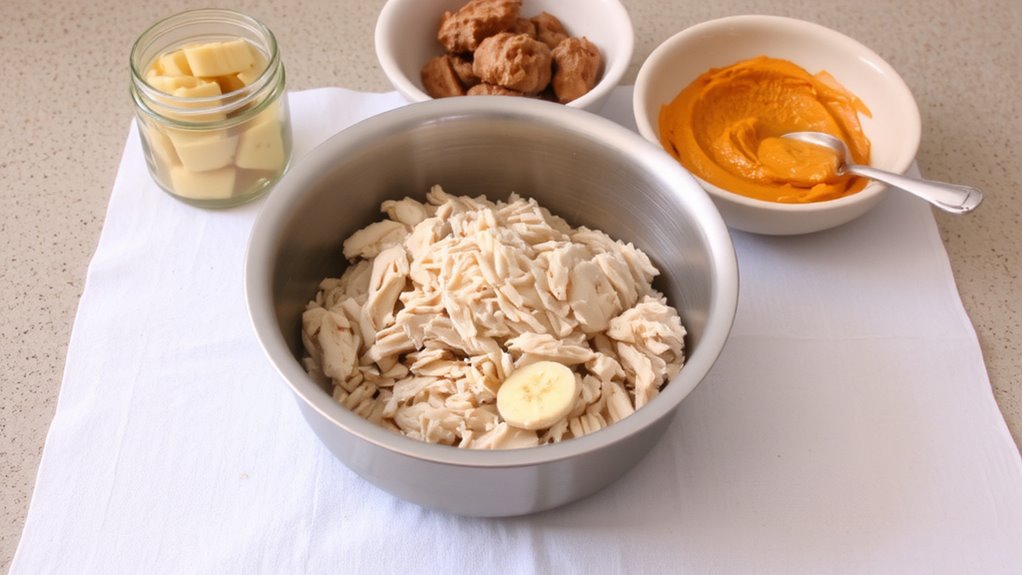
Recovery starts with the right meal. You should feed your dog easily digestible foods low in fat and fiber. Boiled chicken and white rice are ideal, offering a 2:1 ratio of carbohydrates to protein for gentle digestion. Plain canned pumpkin (not pie filling) adds soluble fiber, helping firm loose stools. Small portions every 3–4 hours prevent gastrointestinal overload. Hydration tips include offering fresh water frequently and using unflavored electrolyte solutions if recommended by your vet. Dehydration risks increase with diarrhea, so monitor gum moisture and skin elasticity. Probiotic supplements containing *Enterococcus faecium* or *Lactobacillus acidophilus* restore gut flora balance; administer 1–5 billion CFUs daily per your veterinarian’s guidance. Avoid dairy, spices, and fatty foods. With consistent feeding and hydration tips, clinical improvement typically occurs within 24–48 hours. Discontinue the bland diet gradually once stools normalize.
How to Cook Chicken and Rice for Dogs
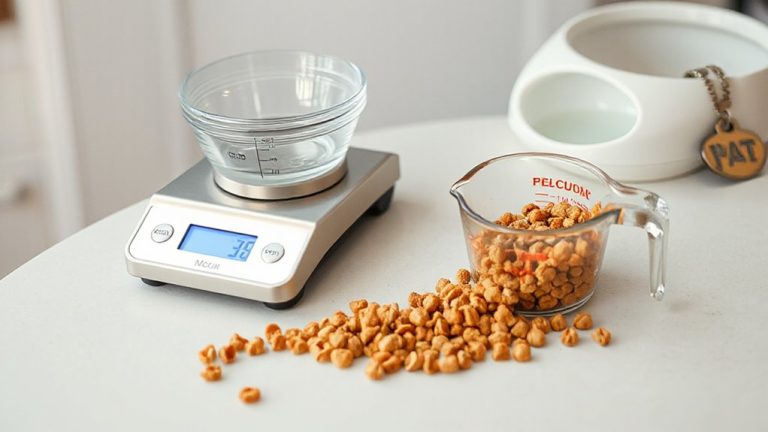
Boil boneless, skinless chicken breasts in plain water to keep fat content low and digestion simple. Use strict cooking methods: simmer the chicken for 15–20 minutes until fully cooked, with no pink centers, to guarantee safety and digestibility. Avoid oils, seasonings, or additives. While the chicken cooks, prepare white rice using a 2:1 water-to-rice ratio; boil for 15–20 minutes until soft and fully hydrated. Combine cooled, shredded chicken and rice in a 1:2 ratio by weight. Practice portion control: feed 1/4 to 1/2 cup per 10 pounds of body weight, divided into four daily meals. Monitor intake closely. Overfeeding slows recovery. This precise ratio and measured approach support intestinal healing. Serve at room temperature to avoid shocking the digestive tract. Discard uneaten food after one hour. Use this formula only as a short-term solution.
Returning to Normal Dog Food Safely
Once your dog’s symptoms have fully resolved-typically after 24 to 48 hours of normal appetite and well-formed stools-you can begin moving back to regular food. Use a gradual shift over 3–4 days to prevent digestive upset. Start by mixing 25% regular food with 75% bland diet, then increase the proportion daily. Portion control is critical; feed small, frequent meals to support gastric regulation.
| Day | Diet Ratio (Regular : Bland) |
|---|---|
| 1 | 25% : 75% |
| 2 | 50% : 50% |
| 3 | 75% : 25% |
| 4 | 100% regular |
Monitor stool consistency and appetite closely. Abrupt changes disrupt gut microbiota, so a slow reintroduction maintains digestive stability. Always use your dog’s usual food unless otherwise directed.
When to Seek Veterinary Help
How do you know when a trip to the vet is necessary during your dog’s recovery? Watch closely for dehydration signs like dry gums, sunken eyes, and poor skin elasticity. Gently lift the skin at the back of your dog’s neck; if it doesn’t snap back quickly, dehydration is likely. Persistent vomiting or diarrhea lasting more than 24 hours increases fluid loss and risk. The presence of a fever-anything above 103°F (39.4°C)-indicates possible infection or inflammation. Use a rectal thermometer for accuracy. Lethargy, refusal to eat, or abdominal pain are serious red flags. Even with a bland diet, these symptoms require immediate evaluation. Untreated gastroenteritis can lead to electrolyte imbalances or sepsis. Your vet may administer subcutaneous fluids, run blood tests, or prescribe medications. Prompt care improves outcomes markedly. Don’t delay if symptoms worsen.
On a final note
You’ve successfully supported your dog’s recovery with a properly balanced bland diet. This temporary feeding regimen reduces gastrointestinal stress using easily digestible ingredients. Use boiled, skinless chicken breast and white rice in a 1:2 ratio by weight-for every 100 grams of protein, add 200 grams of cooked rice. Feed in small, frequent portions over 24–72 hours. Shift back to regular food gradually over four days to maintain digestive stability.