Feeding Guidelines for Dogs With Chronic Diarrhea and Weight Loss
Feed your dog a highly digestible, low-fat diet with a single novel protein like venison or duck to minimize intestinal irritation. Aim for ≥80% protein digestibility using veterinary diets such as Hill’s i/d or Royal Canin Gastrointestinal. Pair with simple carbs like sweet potato and include prebiotic fibers (FOS) for gut health. Offer small, frequent meals and maintain hydration with electrolyte-balanced fluids. You’ll learn how to shift safely to long-term nutrition support next.
Notable Insights
- Feed a highly digestible, low-fat diet with a novel protein like venison or duck to minimize intestinal irritation.
- Use veterinary-approved diets such as Hill’s i/d or Royal Canin Gastrointestinal to ensure optimal nutrient absorption.
- Incorporate prebiotic fibers like FOS and probiotics such as Enterococcus faecium SF68 to support gut microbiome balance.
- Transition to a bland diet of boiled chicken and rice in a 1:2 ratio, feeding small, frequent meals for up to 72 hours.
- Reintroduce regular food gradually over 4–7 days only after 24–48 hours of firm stools, increasing original diet by 25% daily.
What to Feed Your Dog With Chronic Diarrhea and Weight Loss
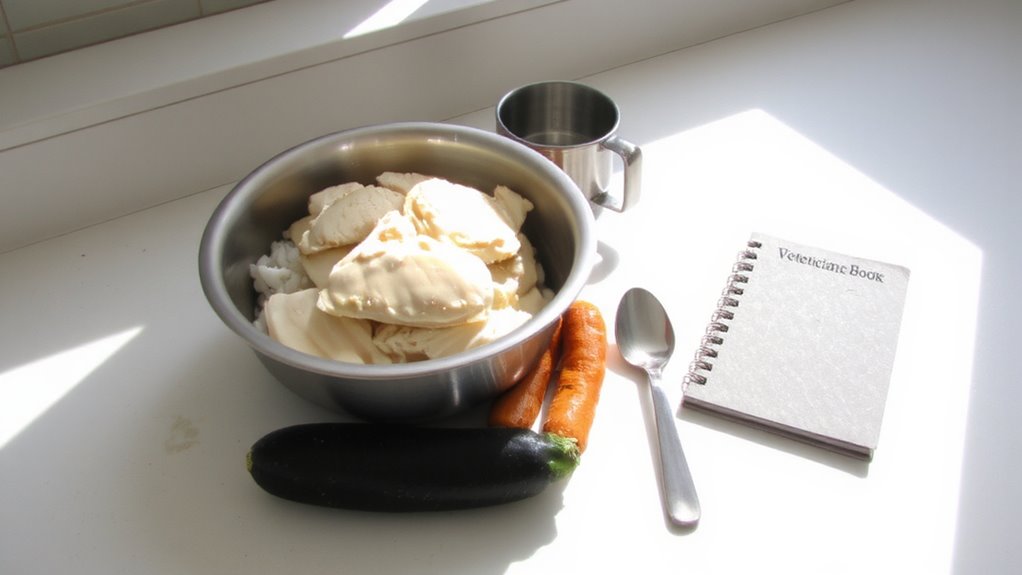
While your dog’s chronic diarrhea and weight loss may seem overwhelming, starting with the right diet is critical for recovery. Feed a highly digestible, low-fat diet with a single novel protein source, such as venison or duck, and a simple carbohydrate like sweet potato. These ingredients reduce intestinal irritation and improve stool consistency. Add nutritional supplements such as probiotics (e.g., Enterococcus faecium SF68) and omega-3 fatty acids to support gut health and reduce inflammation. Guarantee hydration support using electrolyte-balanced fluids or oral rehydration solutions. Administer under veterinary guidance, typically 2–4 mL per pound of body weight hourly during acute episodes. Use commercial veterinary diets like Hill’s Prescription Diet i/d or Royal Canin Gastrointestinal, formulated with prebiotic fibers (FOS) and high-quality protein (≥80% digestibility). Monitor your dog’s response daily, adjusting only under professional advice. For senior dogs, consider a probiotic supplement specifically formulated for their age-related digestive needs, such as best probiotics for senior dogs.
How Diet Helps Dogs Recover From Diarrhea and Lose Less Weight
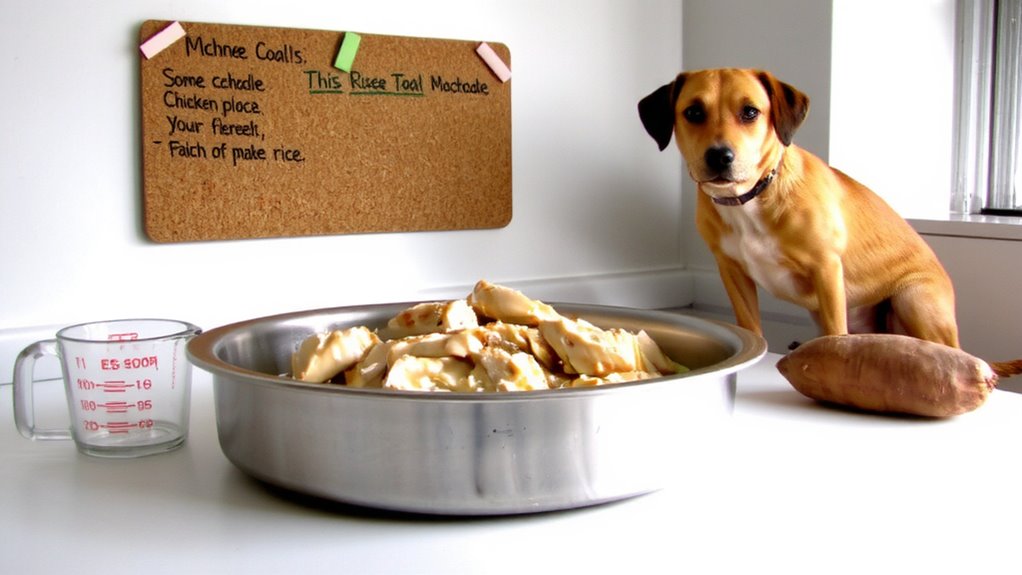
Recovery starts in the bowl. The right diet supports gut healing by reducing intestinal inflammation and stabilizing the mucosal lining. You’ll see improvement when meals include highly digestible proteins and low-fat ingredients, which ease stress on the digestive tract. These components enhance nutrient absorption, ensuring your dog retains calories and essential vitamins. Soluble fiber, like that found in pumpkin or psyllium, helps regulate water balance in the colon and feeds beneficial gut bacteria. This promotes a healthier microbiome, critical for long-term digestive function. Diets with balanced electrolytes maintain hydration, supporting cellular function. You should aim for food with a minimum digestibility rating of 85% to maximize nutrient uptake. Proper formulation means less stool volume and more weight stability. Consistent feeding of targeted diets results in measurable improvements in stool quality within 3–5 days.
Safely Switch to a Bland Diet in 3 Steps
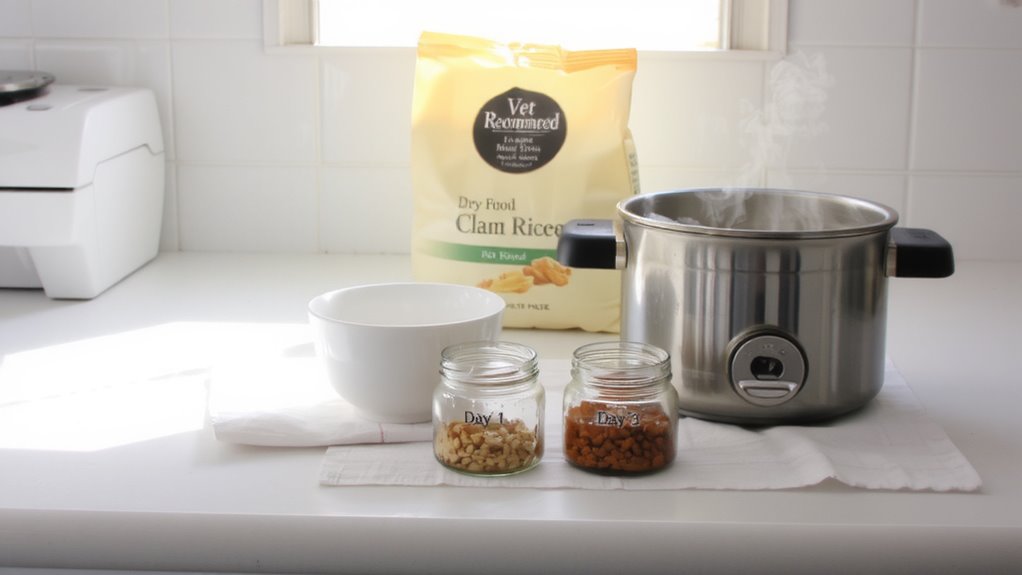
When your dog has chronic diarrhea, switching to a bland diet can reset the digestive system and minimize irritation. Start with step one: introduce boiled, skinless chicken and white rice in a 1:2 protein-to-carbohydrate ratio by weight. Use kitchen scales for accuracy, as precise portion control prevents overfeeding and reduces gastrointestinal stress. In step two, divide the daily food amount into four to six small meals to regulate meal timing and stabilize digestion. Feed at consistent times, spaced evenly across 24 hours, to support metabolic rhythm. In step three, monitor stool consistency for 48 hours. If improvement occurs, maintain the bland diet for up to three days. Avoid adding fats, seasonings, or dairy. Shift gradually to regular food only after diarrhea resolves, preserving digestive balance. Do not extend the bland diet beyond 72 hours without professional guidance.
When Your Dog Needs a Vet-Approved Diet Plan
A bland diet can stabilize mild cases of chronic diarrhea, but not all dogs respond within 72 hours. If your dog shows no improvement, a vet-approved diet plan becomes essential. Chronic diarrhea impairs nutrient absorption and damages gut health, requiring precise dietary intervention. Your vet may recommend a prescription diet with hydrolyzed or novel proteins to reduce immune triggers. These diets are clinically tested, with protein molecules broken down to minimize allergic reactions. Nutritional supplements like probiotics and omega-3 fatty acids are often added to restore microbial balance. Fiber types such as psyllium or prebiotics like fructooligosaccharides (FOS) support intestinal lining repair. These components work synergistically to improve stool consistency and rebuild gut health. Never self-prescribe supplements-dosing errors can worsen symptoms. A veterinary nutritionist can tailor a plan based on your dog’s weight, breed, and lab results.
Frequent, Small Meals for Dogs Losing Weight From Diarrhea
Often, feeding your dog several small meals throughout the day helps maintain energy levels and supports weight stabilization during episodes of chronic diarrhea. This approach relies on precise meal timing and portion control to reduce gastrointestinal stress. Instead of two large meals, divide your dog’s daily intake into four to six smaller feedings spaced evenly. Consistent meal timing regulates digestive motility and prevents overloading the intestines. Portion control guarantees caloric density meets nutritional needs without triggering malabsorption. For a 20-pound dog, typical daily intake may range from 400–600 kcal, split into 100–150 kcal per meal. Use a digital scale or measuring cup for accuracy. Smaller, frequent meals improve nutrient uptake and minimize bowel irritation. Think of it like sipping water versus gulping-it’s gentler on the system. Stick to this schedule daily for best results.
Toxic and Irritating Ingredients to Cut From Your Dog’s Diet Now
If your dog suffers from chronic diarrhea, eliminating certain toxic and irritating ingredients from their diet is essential for restoring gut health. Avoid artificial preservatives like BHA and BHT, known to trigger gastrointestinal inflammation. Remove high-fat table scraps, which increase intestinal motility and worsen loose stools. Grain allergies are common in sensitive dogs; corn, wheat, and soy may promote immune-mediated reactions leading to mucosal damage. Replace these with highly digestible, novel protein sources like hydrolyzed chicken or duck. Dairy intolerance causes lactose fermentation in the colon, producing gas and osmotic diarrhea-eliminate milk, cheese, and yogurt completely. Also cut legumes such as peas and lentils, linked to cardiac issues and gut dysbiosis in recent FDA studies. Opt instead for limited-ingredient diets with clear nutritional profiles: minimum 20% protein, 5–8% fat, and single-carbohydrate sources. These changes reduce antigenic load and support mucosal healing.
How to Gradually Return to Normal Food After Diarrhea Stops
Once your dog’s diarrhea has resolved, reintroducing regular food must be done gradually to prevent relapse and support sustained gastrointestinal recovery. Begin food reintroduction after 24–48 hours of firm stools. Start by mixing 25% of your dog’s original diet with 75% of the temporary bland diet (e.g., boiled chicken and rice or a veterinary GI diet). Over four to seven days, increase the proportion of original food by 25% daily while decreasing the bland portion. Monitor stool consistency closely-soft stools indicate a need to slow the adjustment. Portion monitoring is essential; feed three to four smaller meals per day to reduce digestive load. Resume full portions only when stools remain normal and appetite is stable. Avoid sudden changes or treats during this phase to maintain gastrointestinal balance.
On a final note
You must act quickly to stabilize your dog’s digestion and prevent further weight loss. Start with a strict bland diet of boiled chicken and white rice in a 1:2 ratio, fed in four ½-cup portions daily for 3–5 days. Gradually reintroduce regular food over 7 days, mixing increasing amounts of kibble with decreasing portions of bland meals. Cut all treats, bones, and table scraps immediately. Use only vet-approved, low-fat, highly digestible commercial diets like Hill’s Prescription i/d or Royal Canin Gastrointestinal. Monitor stool consistency and body weight daily. If diarrhea persists beyond 7 days or dehydration occurs-indicated by skin tenting over 2 seconds-seek veterinary care immediately. Dietary management is critical, but not a substitute for diagnosis when underlying conditions like parasites, infections, or chronic enteropathies are suspected.