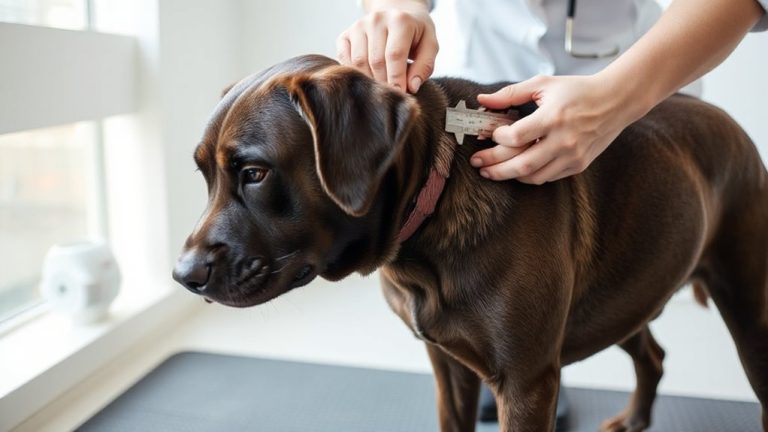
Converting Standard Cup Measures to Metric for International Pet Food Recipes
You’re underestimating portion accuracy by using cups-volume measures vary up to 40 grams per cup depending on ingredient density and packing. Grams eliminate this error with exact weight-based precision. A digital scale with 0.1-gram resolution guarantees consistency, especially critical in international pet recipes where standards differ. Convert each ingredient using verified gram equivalents: 1 cup kibble ≈ 100–140 g, 1 cup oats ≈ 80–100 g. Reliable formulations start with weight, not volume-your next batch can be perfectly calibrated.
Notable Insights
- Cup measurements vary significantly by ingredient density, making gram-based conversions essential for accuracy in pet food recipes.
- Use a digital kitchen scale with 0.1-gram precision to ensure consistent and reliable metric conversions.
- Always tare the scale before adding each ingredient to maintain precise weight measurements.
- Refer to standardized gram equivalents (e.g., 1 cup carrots ≈ 120 g) for accurate recipe conversion.
- Grams ensure reproducible nutrient ratios, critical for pets with medical or dietary requirements.
Why Grams Beat Cups for Homemade Pet Food
Every cup isn’t created equal-especially when measuring ingredients for your pet’s homemade diet. Switching to grams guarantees precision cooking, eliminating guesswork in portioning. A standard cup of kibble can weigh anywhere from 100 to 150 grams depending on density, leading to inconsistent nutrient delivery. Grams offer exactness: 1 gram equals 1/1000 of a kilogram, allowing accurate tracking of protein, fat, and carbohydrate ratios. This level of ingredient consistency is critical for pets with dietary sensitivities or medical conditions. Digital kitchen scales calibrated in 1-gram increments are ideal for reliable measurement. Unlike volume, weight remains unaffected by how tightly food is packed. Using grams also simplifies recipe scaling and international adaptation. For best health outcomes and reproducible results, grams provide unmatched accuracy-making them the superior choice in homemade pet nutrition protocols.
Stop This #1 Measuring Mistake in Pet Recipes
One of the most common errors in homemade pet food preparation is relying on volume measurements instead of weight. This mistake undermines recipe consistency and ignores ingredient variability. Two cups of oats can weigh 20% more than another due to packing density and moisture content. For precision, always use grams.
| Ingredient | Volume (1 cup) | Weight (approx. in grams) |
|---|---|---|
| Ground beef | 1 cup | 140 g |
| White rice | 1 cup | 185 g |
| Carrots (diced) | 1 cup | 120 g |
| Chicken (cubed) | 1 cup | 135 g |
| Lentils (dry) | 1 cup | 192 g |
Using weight guarantees accurate nutrient ratios. Ingredient variability affects digestion and caloric intake. Measuring by weight improves recipe consistency across batches. Digital kitchen scales cost under $20 and offer 1-gram precision. Switching to grams minimizes error and standardizes results. Your pet benefits from reliable, repeatable meals. Stop guessing-weigh every ingredient.
How Much Does 1 Cup Really Weigh? (It Depends)
A single cup of an ingredient can vary widely in weight depending on density, moisture, and how it’s packed. Cup variations mean that 1 cup of flour might weigh 120 grams or 150 grams based on scooping method. Ingredient density directly affects this inconsistency. For example, 1 cup of packed brown sugar weighs about 220 grams, while 1 cup of loose oats may weigh only 80 grams. These differences stem from how tightly particles compress within the measuring cup. Even small shifts in volume measurement create significant deviations in nutrient ratios for pet food. Cornmeal and kibble fragments further demonstrate this issue-identical volumes deliver unequal masses due to structural variance. Without standardized weight, reproducibility fails. Cup variations compromise recipe accuracy, especially across international kitchens using metric standards. You can’t assume uniformity when ingredient density fluctuates across batches, brands, and environmental conditions. Consistency demands precise mass-based measurement.
Use a Scale: The Only Tool You Need
Accuracy begins with a kitchen scale-the single most reliable tool for consistent pet food preparation. Unlike cups, which vary with scooping technique, a digital scale delivers exact weight measurements every time. Precision tools like grams guarantee ingredients like chicken, rice, or sweet potatoes are portioned accurately. For example, 1 cup of kibble can range from 80 to 140 grams; a scale eliminates this variability. Choose a scale with a 0.1-gram resolution for small ingredients and a 5-kilogram capacity for full recipes. Tare functionality resets the weight between ingredients, streamlining the process. Consistent results depend on repeatability-digital sensors outperform mechanical springs. Stainless steel platforms resist moisture and are easy to clean. Use your scale with metric units only, not ounces or pounds, to align with international standards. This method supports nutritional accuracy, especially for pets with dietary needs. A scale isn’t just helpful-it’s essential.
Convert Any Recipe: Cups to Grams in 3 Steps
You’ve got your scale ready-now it’s time to put it to work converting cup-based recipes to precise metric weights. Start by identifying each ingredient in the recipe, as cup conversions vary by density. For example, 1 cup of oats weighs 80 grams, while 1 cup of flour is typically 120 grams. Use trusted conversion charts or databases to find standard gram equivalents. Second, tare your scale before adding each ingredient to guarantee metric accuracy. This eliminates container weight and reduces error. Finally, record each weight in grams directly from the scale display-don’t round unless specified. Digital scales with 1-gram increments are ideal for small batches. Accurate cup conversions prevent nutritional imbalances in pet food. Metric accuracy supports consistent formulation across batches. Following these steps guarantees your homemade pet food meets precise dietary requirements every time-no guesswork needed.
Fixing Bad Batches? Measure Like This Next Time
When a batch of pet food turns out too dry, too dense, or inconsistent in texture, the root cause often lies in volume-based measuring. You can’t achieve reliable ingredient consistency when scooping flour or kibble by the cup-small variations in packing or leveling create significant mass differences. Switching to grams eliminates this variability. Digital kitchen scales measure to the nearest gram, ensuring each ingredient meets exact formulation specs. This precision is critical for troubleshooting failures in texture or moisture. For example, 120 grams of oats behaves the same every time, while “1 cup” can range from 100–140 grams depending on method. Reproducible results depend on weight, not volume. By using metric weights consistently across batches, you maintain formulation integrity and reduce waste. Relying on grams improves batch uniformity, supports accurate nutritional labeling, and aligns with international production standards. Measure like this next time, and see the difference.
On a final note
You save time and avoid errors by using grams instead of cups. A digital scale measures mass with ±1 gram accuracy, critical for balanced pet nutrition. Volume measurements vary-1 cup of flour can weigh 120 to 160 grams depending on packing. Converting recipes to grams guarantees consistency across batches. Follow this: record original cup amounts, find standard gram equivalents, and weigh all ingredients. Precision prevents nutrient imbalances.