Safe Material Composition for Fish Tanks: Avoiding Harmful Interactions for Your Pets
Choose inert materials like tempered glass or food-grade acrylic to maintain stable water chemistry. Avoid ceramics with lead, copper alloys, and non-aquarium plastics that leach toxins. Use only 100% silicone sealant-cured for 48–72 hours-to prevent acetic acid exposure. Test decorations by soaking in dechlorinated water; monitor for pH shifts over ±0.5 or ammonia release. Safe substrates include untreated gravel or sand. Further details reveal ideal long-term safety practices.
Notable Insights
- Use inert materials like glass or food-grade acrylic to prevent toxin leaching and maintain stable water chemistry.
- Avoid ceramics, metals, or painted decor containing lead, copper, or iron that can harm fish and invertebrates.
- Test all decorations by submerging them for 24 hours and monitoring for pH shifts or detectable ammonia.
- Only use 100% pure silicone sealant without antimicrobials, fully cured before tank installation.
- Choose safe substrates like untreated gravel or sand, and cure driftwood to reduce tannin and bacterial risks.
Why Material Safety Matters in Fish Tanks
What happens if your fish tank leaches toxins? Toxins alter water chemistry, destabilizing pH, ammonia, and nitrite levels. These changes stress aquatic life and compromise immune function. Your tank’s material directly influences water chemistry over time. Unsafe materials leach metals or有机 compounds, especially under fluctuating temperatures (72–82°F typical). Even trace contamination affects sensitive species. The biological load-waste from fish, decaying matter, and respiration-increases demand on filtration. If materials degrade, they reduce the system’s capacity to process this load. Glass and food-grade acrylic are inert, with thermal expansion rates under 0.000012 per °F, maintaining integrity. Avoid materials with binders or dyes that hydrolyze in water. Long-term stability is critical. A single leaching component can initiate a cascade, overwhelming biological filtration. Choose only verified non-reactive substrates to preserve equilibrium. Your aquarium’s safety depends on material purity.
Common Toxic Materials to Avoid in Aquariums
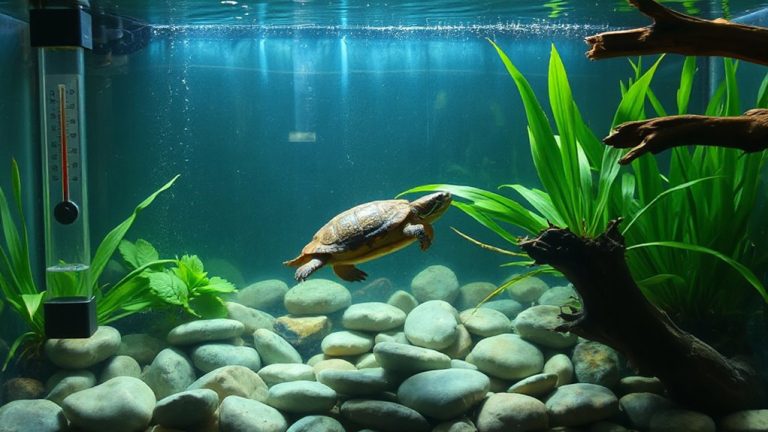
While selecting materials for your aquarium, steer clear of common household items that may seem harmless but pose serious risks. Avoid ceramics or painted glass with lead contamination, as even trace amounts leaching into water can damage fish nervous systems. Never use metal decorations or hardware, since iron components promote rust formation, increasing iron levels beyond the safe threshold of 0.1 ppm. Copper-containing alloys, like brass or bronze, are toxic to invertebrates at concentrations as low as 0.05 ppm. Plastic items not labeled aquarium-safe may contain chemical stabilizers or dyes that degrade in water, releasing harmful byproducts. Concrete or mortar often contains lime, altering pH above 8.2, which stresses most aquatic species. Sealants must be 100% silicone, with no added mold inhibitors. Always verify material composition; galvanized steel, despite its durability, reacts with water, accelerating rust formation. Prioritize inert materials like borosilicate glass, food-grade acrylic, or PVC rated for aquatic use. A natural-looking environment can be achieved safely by choosing turtle tank substrates made from river-washed pebbles.
How to Test Any Object for Aquarium Safety?
How can you be sure that an object won’t poison your fish or destabilize water chemistry? Perform buoyancy testing to confirm the item doesn’t float uncontrollably or sink abruptly, which could damage tank integrity or stress aquatic life. Submerge the object for 24 hours in dechlorinated water under normal aquarium conditions. Monitor for signs of chemical leaching, such as cloudiness, odor, or residue. Use test kits to check for changes in pH, ammonia, nitrite, and hardness before and after exposure. Non-porous materials like ceramics, borosilicate glass, and food-grade plastics are less likely to leach toxins. Avoid painted or glued items unless explicitly labeled aquarium-safe. If any parameter shifts beyond acceptable ranges-pH variation > ±0.5, detectable ammonia or nitrite-discard the item. Always pre-soak and scrub new additions. Safety hinges on observation and measurement, not assumption.
Aquarium-Safe Glass Vs. Plastic: What’s Best?
Why choose one material over the other when both glass and plastic serve distinct roles in aquarium construction and decor? You prioritize glass clarity when aesthetics and visual accuracy matter. Tempered glass, typically 6–10 mm thick, transmits over 90% of light and resists scratching better than most plastics. It maintains optical precision long-term, essential for observing fish behavior. Meanwhile, plastic durability makes acrylic a strong alternative, especially in larger tanks. Acrylic is 17 times more impact-resistant than glass and weighs half as much. However, it’s prone to scratches from routine cleaning. While glass won’t yellow over time, acrylic may degrade under prolonged UV exposure unless treated. For small to medium tanks under 100 gallons, glass offers superior clarity and stability. For custom shapes or transport-sensitive setups, acrylic’s toughness wins. Both materials are inert when aquarium-safe, posing no chemical risk to aquatic life. Choose based on your tank’s size, location, and maintenance plan.
Choosing Non-Toxic Sealants and Adhesives
Silicone sealant is your best defense against leaks in a fish tank setup, but not all silicones are safe for aquarium use. You must choose 100% pure silicone without antimicrobial additives, which can leach toxins. Adhesive compatibility with glass and acrylic is critical-ensure the product specifies bond strength on both substrates. Most aquarium-safe silicones adhere with 15–25 psi tensile strength after full cure. Sealant curing typically takes 48–72 hours at 77°F and 50% humidity; lower temperatures prolong the process. Never introduce water or fish before full cure, as uncured silicone releases acetic acid, harming aquatic life. Use only products labeled “aquarium-safe” or “fish-safe,” verified by third-party testing. Avoid hardware store silicones unless explicitly rated for aquatic environments. Always check manufacturer datasheets for chemical resistance and shelf life.
Safe Aquarium Decor and Substrate Choices
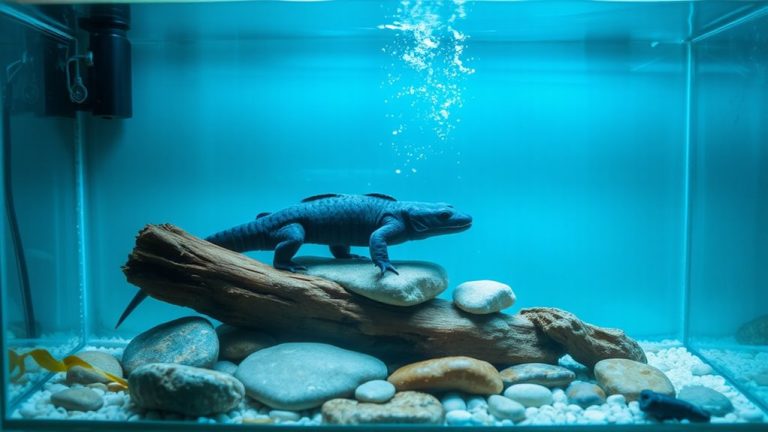
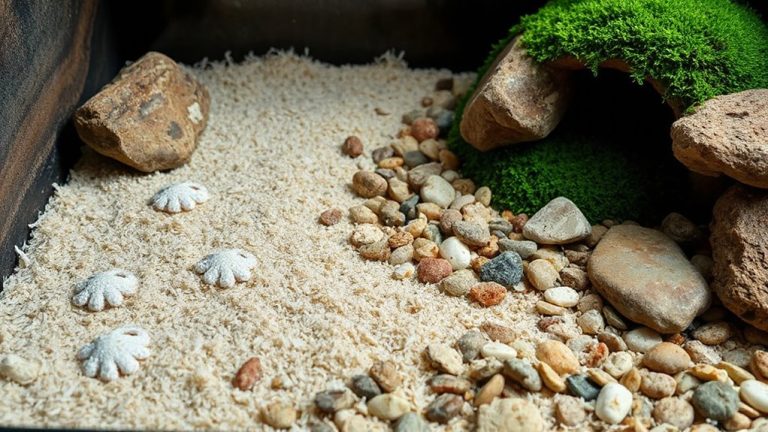
When selecting aquarium decor and substrate, your primary concern should be material inertness-anything added to the tank must not leach harmful chemicals or alter water parameters. Use only aquarium-safe substrates like inert sands, gravel, or specialized planted tank soils with stable pH buffering. Natural driftwood is safe if thoroughly cured; untreated wood leaches tannins, which can lower pH but aren’t toxic. Boil driftwood for 1–2 hours to reduce leaching and sterilize it. Avoid painted or chemically treated decorations-these may release heavy metals or dyes. Ceramic and resin decor labeled “aquarium-safe” are reliable. Substrates should be 2–3 inches deep for root development when planting live plants. Live plants stabilize water quality by absorbing nitrates and competing with algae. Choose robust species like java fern or anubias for low-light setups. Gravel particles should be 2–5 mm to prevent compaction and support root aeration. For added visual appeal and functionality, consider incorporating best fish tank decorations that are both safe and beneficial to the aquatic environment.
On a final note
You must prioritize material safety to protect aquatic life. Only use inert, non-leaching substances. Tempered glass, rated 6–8 mm thick for standard tanks, resists algae and scratches better than acrylic. ASTM-certified silicone sealants-100% aquarium-safe-prevent leaks without toxins. PVC pipes should meet NSF/ANSI 14 standards. Avoid metals like copper or zinc; even 0.1 ppm copper concentration harms gills. Use natural stone or EPA-compliant resins for decor.