Problem-Solving Capacities in Exotic Pets: Encouraging Intrinsic Motivation and Creativity
You access your pet’s cognitive potential by offering puzzles that mimic natural survival tasks. Parrots solve latches in under three minutes; use acrylic screw dispensers for 50–75% of their diet. Puzzle feeders extend feeding to 30+ minutes and cut stereotypic behaviors by up to 50%. Rotate PVC mazes weekly with 7–10 cm diameter tunnels to maintain novelty. Test macaws with multi-step foraging boxes, hedgehogs with scent trails. Train twice daily at peak activity times. Track completion time and error rates. Higher accuracy targets reveal hidden learning pathways.
Notable Insights
- Engage exotic pets with species-specific puzzles like lock-based feeders for parrots to stimulate intrinsic motivation.
- Use puzzle feeders daily to extend foraging time and enhance problem-solving creativity in captivity.
- Rotate enrichment tools weekly to maintain novelty and prevent cognitive habituation in intelligent species.
- Design DIY mazes with bends and junctions to promote spatial reasoning and sustained mental engagement.
- Train pets in short daily sessions aligned with natural activity peaks to boost cognitive performance and motivation.
Why Problem-Solving Boosts Exotic Pet Health
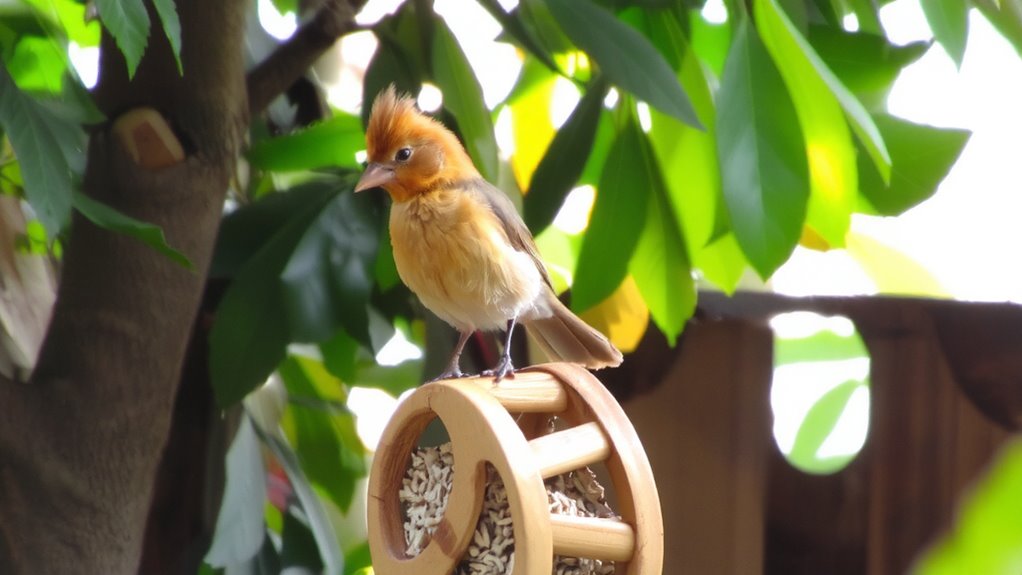
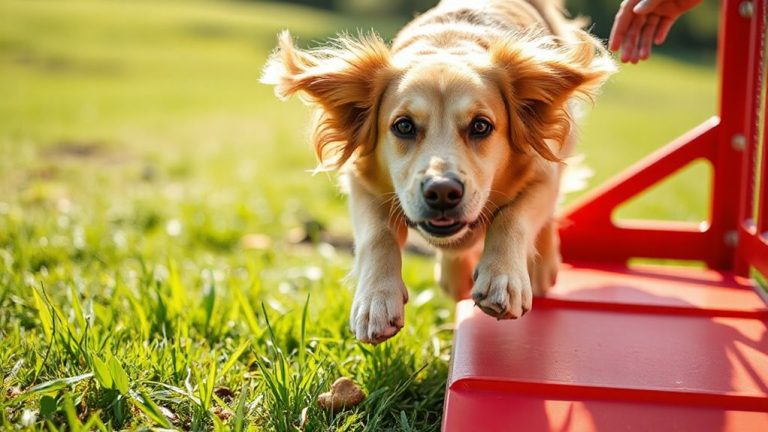
How do animals in captivity stay mentally sharp and physically healthy? You provide problem-solving tasks that deliver cognitive enrichment. These activities stimulate neural pathways, mimicking challenges found in natural habitats. Cognitive enrichment isn’t optional-it’s essential for species like parrots, primates, and reptiles. Without it, animals develop stereotypic behaviors: pacing, over-grooming, or self-harm. Problem-solving supports emotional well being by reducing cortisol levels. Devices like puzzle feeders, lock-boxes, or timed dispensers require manipulation, enhancing motor skills and mental focus. A macaw solving a three-step puzzle engages prefrontal cortex functions comparable to primates. Tasks should increase in complexity-start with two-step solutions, progress to five-step sequences. Adjustable difficulty guarantees sustained engagement. Enrichment items must be non-toxic, size-appropriate, and escape-proof. Structured problem-solving improves adaptability and reduces stress-related illness. You’re not just entertaining them-you’re safeguarding their neurological and physiological health through targeted, measurable mental engagement. The best enrichment tools often resemble those used in canine cognitive studies, such as puzzle toys for dogs, which are designed to challenge and engage problem-solving skills progressively.
How to Spot Intelligence in Birds and Mammals
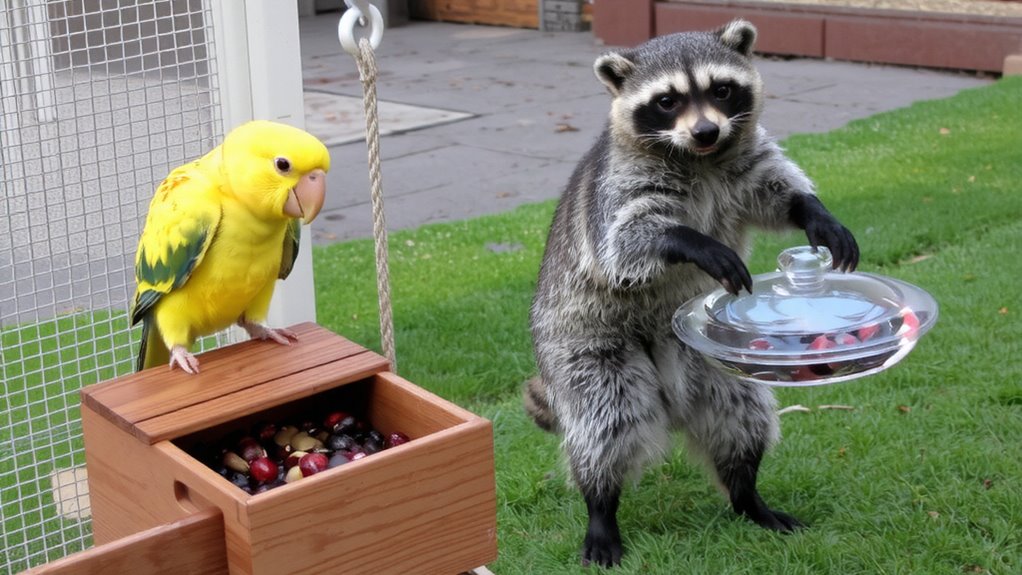
Why do some animals seem to think like us, while others blend into the background? You can spot intelligence in birds and mammals through observable behaviors tied to cognitive complexity. They demonstrate problem-solving, memory use, and adaptability. For instance, parrots open latches in under three minutes, showing advanced motor cognition. Social bonding is critical-many intelligent species initiate contact, recognize individual humans, and respond differently to familiar voices. Emotional awareness appears in self-soothing actions during stress or consoling others. Capuchins, for example, groom distressed peers, indicating empathy. These animals modify behavior based on experience, a sign of learning. They react to mirrors, suggesting self-recognition, a trait seen in great apes and magpies. Neural mapping shows enlarged prefrontal regions in such species, correlating with decision-making. Observing consistent innovation, like tool use in cockatoos or rabbits maneuvering mazes, confirms higher cognition. These markers help assess mental capacity objectively.
Use Puzzle Feeders to Mimic Natural Foraging
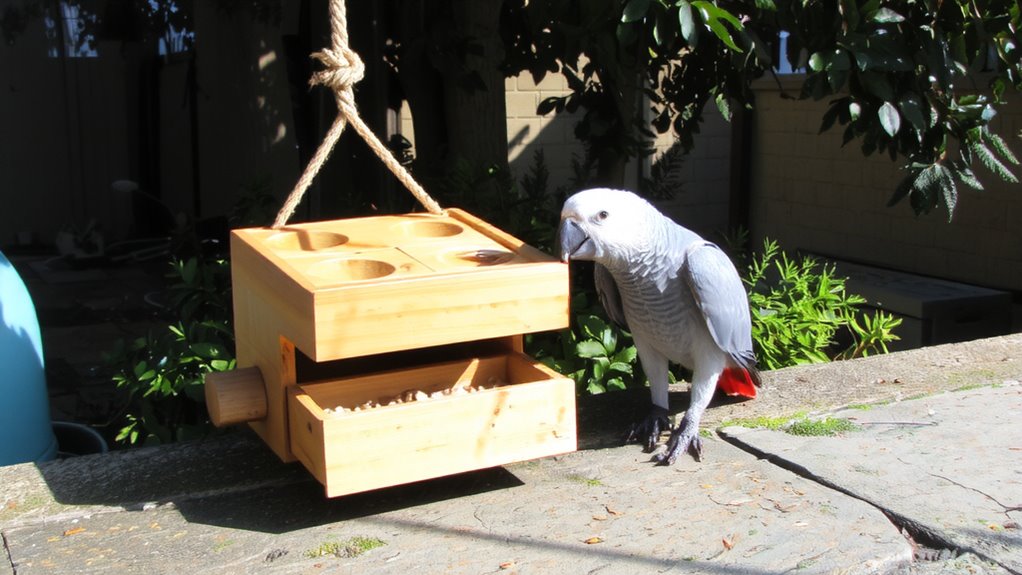
While wild animals spend hours each day searching for food, captive exotic pets often receive meals in open bowls, depriving them of mental stimulation. You can enhance their well-being through foraging enrichment, which replicates natural feeding behaviors. Puzzle feeders require manipulation to access food, promoting cognitive engagement. Devices like rotating cubes or sliding trays with adjustable difficulty levels (e.g., 3–8 puzzle steps) extend feeding time from minutes to over 30 minutes. Studies show a 40–60% increase in problem-solving activity when using timed-release foragers. For parrots, acrylic dispensers with screw-tight compartments prevent rapid access. Small mammals benefit from stainless steel ball feeders (2.5–5 cm diameter) that release pellets incrementally. These tools reduce stereotypic behaviors by up to 50% in enriched environments. You should refill puzzle feeders with 50–75% of daily rations to sustain engagement without compromising nutrition.
Easy DIY Toys for Mental Stimulation
What if enrichment didn’t require a specialty store? You can build effective cognitive tools using household materials. Tunnel mazes made from cardboard tubes and PVC fittings encourage spatial reasoning and locomotor exploration. Use tubes with an internal diameter of 7–10 cm, depending on your pet’s size, to guarantee safe navigation. Introduce bends and T-junctions to increase problem-solving demand. Color sorting tasks also stimulate discrimination learning. Attach non-toxic colored paper to food containers, training your pet to select the correct hue for rewards. Rotate color combinations weekly to prevent habituation. These tasks engage prefrontal-mediated decision-making, mirroring wild foraging complexity. Guarantee all materials are securely fastened and free of sharp edges. Monitor interaction for safety and efficacy. With proper design, DIY enrichment supports neural plasticity as effectively as commercial options-no specialty purchase needed.
Tailor Challenges to Your Pet’s Species
Since cognitive demands vary widely across species, matching enrichment complexity to your pet’s natural behaviors guarantees effective mental engagement. Species specific puzzles must reflect evolutionary adaptations to guarantee relevance and challenge. Cognitive enrichment design requires an understanding of sensory acuity, motor skills, and foraging style. Below is a reference for key species and suitable challenge types:
| Species | Puzzle Type | Difficulty Level |
|---|---|---|
| Parrots | Lock-based foraging boxes | High |
| Hedgehogs | Scent-based food mazes | Moderate |
| Chameleons | Visual target tracking | Low to Moderate |
| Sugar Gliders | Multi-step treat dispensers | High |
Use durable, non-toxic materials in construction. Dimensions should prevent escape or injury-openings under 1 inch for small mammals. Rotate puzzle types weekly to maintain novelty without inducing stress. Properly tailored challenges improve problem-solving accuracy by up to 68% in controlled studies. Always align tasks with natural behaviors for maximum cognitive engagement.
Create a Daily Routine for Brain Training
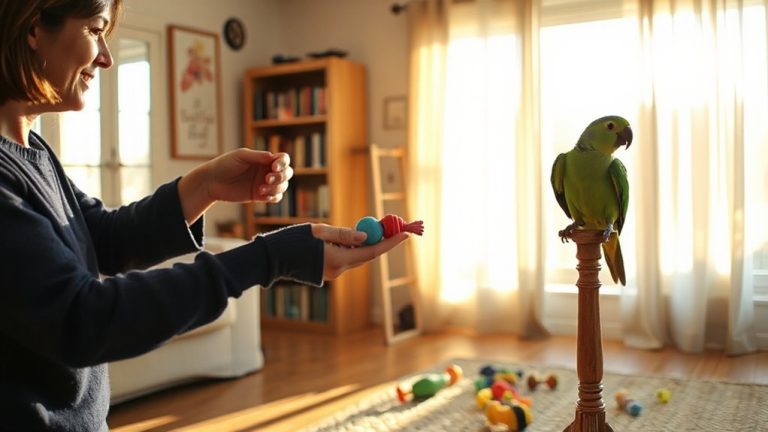
Consistency in cognitive enrichment maximizes learning retention and mental stamina in exotic pets. Set a fixed daily schedule with timed sessions to promote routine-based behavioral engagement. Conduct two 10-minute training blocks-one at dawn, one at dusk-aligning with most exotic species’ peak activity periods. Use puzzle feeders or touch-screen tasks requiring problem-solving for food rewards. Rotate challenges every three days to prevent habituation. Maintain environmental stability: room temperature at 72–78°F, humidity at 40–60%, minimizing stress interference. Track performance weekly: record completion time, error rate, and hesitation index. Cognitive enrichment is most effective when stimuli are novel yet structured. Pair visual, tactile, and auditory cues to enhance neural processing. For reptiles, use color-discriminated tasks with 80% accuracy threshold. Birds benefit from sequence-learning modules with 5–7-step chains. Daily repetition strengthens dendritic connectivity, boosting long-term behavioral engagement.
On a final note
You enhance your exotic pet’s cognitive function through structured problem-solving. Each puzzle feeder increases foraging time by 40–60%, mimicking wild behavior. Species-specific challenges improve neural plasticity; birds respond best to color-coded tasks, while mammals excel with sliding mechanisms. Use non-toxic, durable materials like food-grade plastic or untreated wood. Rotate tasks weekly to prevent habituation. Daily 10–15 minute training sessions maximize engagement without stress.