Winter Grooming Essentials: Tips to Keep Your Pet’s Coat Healthy During Cold Months
Dry winter air strips natural oils, weakening your pet’s coat and increasing static, especially in long-haired breeds. Use a slicker brush for fine fur or an undercoat rake with 3–5 mm spacing to remove dead hair safely. Bathe every 3–6 weeks with sulfate-free shampoo at 98–102°F. Apply conditioners with ceramides every 2–3 weeks and use alcohol-free sprays with hyaluronic acid to reduce static. Trim paw fur to ½ inch and apply waxed balms for protection. Silicone boots with TPR soles prevent slush entry and guard against ice melt chemicals. Ideal care maintains coat integrity and thermal retention. Further details reveal advanced protection strategies.
Notable Insights
- Use a slicker brush or undercoat rake to remove loose fur and prevent matting in dry winter conditions.
- Limit baths to every 3–6 weeks and use sulfate-free, pH-balanced shampoos to preserve natural oils.
- Apply a deep conditioner with ceramides or shea butter every 2–3 weeks to restore moisture and strengthen the coat.
- Trim paw fur to ½ inch and apply waxed balms to protect against ice, salt, and chemical irritants.
- Use alcohol-free hydrating sprays with aloe vera or hyaluronic acid 2–3 times weekly to reduce static and dryness.
How Winter Damages Your Pet’s Coat
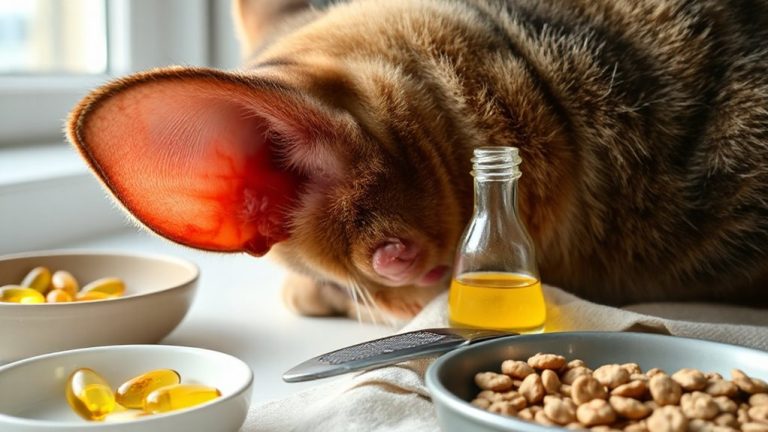
While cold temperatures and low humidity dominate winter, your pet’s coat faces increased risk of damage from environmental stressors. Coat dehydration occurs as indoor heating reduces ambient moisture, dropping relative humidity below 30%-well under the ideal 50–60% range. Dry air strips natural oils from fur, weakening the cuticle layer and increasing breakage. This moisture loss also heightens static buildup, especially in synthetic fabrics or plastic grooming tools. Static electricity arises when electrons transfer between surfaces, causing fur to repel itself and cling to surroundings. This phenomenon is more pronounced in long-haired breeds, where friction amplifies charge accumulation. The result isn’t just cosmetic-persistent static can irritate skin and disrupt insulation properties. Low humidity also slows sebum production, further compromising coat integrity. These combined effects reduce thermal retention, making your pet less efficient at maintaining body heat. Preventive care is essential to preserve coat function and minimize discomfort during colder months.
Use the Best Brush for Winter Grooming
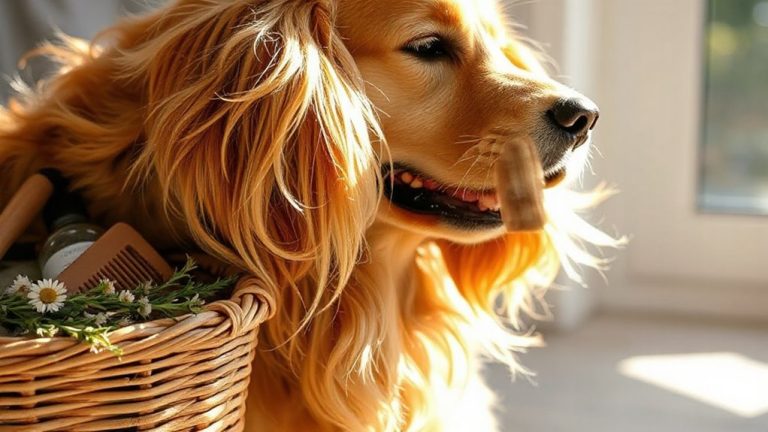
Your pet’s coat needs consistent mechanical maintenance to counteract winter-induced dryness and static buildup. Regular brushing distributes natural skin oils, improving coat insulation and minimizing flaking. Choose brush types based on coat texture: use slicker brushes for fine, prone-to-matting fur; firm bristle brushes for short coats; and wide-tooth combs for detangling thick undercoats. For double-coated breeds, an undercoat rake with teeth spaced 3–5 mm removes dead hair without damaging guard hairs. Adjust grooming frequency to every 2–3 days during peak winter, increasing to daily for heavy shedders. This prevents mat formation, which reduces thermal efficiency by up to 40%. Brushes with ergonomic grips and flexible heads improve control and coverage. Stainless steel bristles resist corrosion and maintain tension over time. Consistent use of the correct brush type enhances coat density, traps warmth, and reduces indoor shedding by over 60%. For optimal results, consider a top-rated slicker brush designed specifically for managing delicate winter coat conditions.
Bathe Less, But Better in Cold Weather
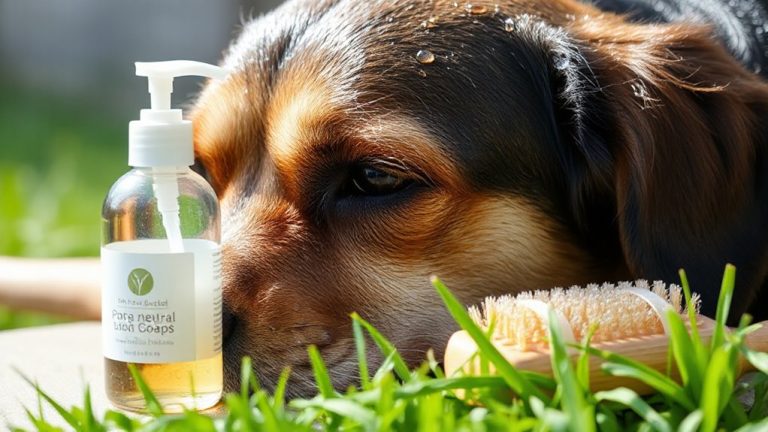
Because frequent bathing strips natural oils that insulate and protect your pet’s skin during cold months, scaling back washes doesn’t mean compromising cleanliness-it means optimizing them. Limit baths to once every three to six weeks unless soiled. When you do bathe, use warm baths-ideally 98–102°F-to avoid shocking your pet’s system. Warm baths improve circulation and open hair follicles, enhancing effective gentle cleansing. Use sulfate-free, pH-balanced shampoos formulated for pets; these maintain lipid barriers and prevent transepidermal water loss. Avoid hot water; it accelerates dryness and leads to flaking. Pre-brush before washing to remove loose undercoat and debris. Rinse thoroughly-leftover residue attracts dirt and causes irritation. Bath time is more than hygiene. It’s essential to coat vitality in winter. A single, well-performed wash with proper technique supports epidermal health better than multiple rushed sessions. Prioritize quality over frequency. This guarantees coat resilience and reduces moisture loss during colder periods.
Moisturize With Conditioners and Sprays
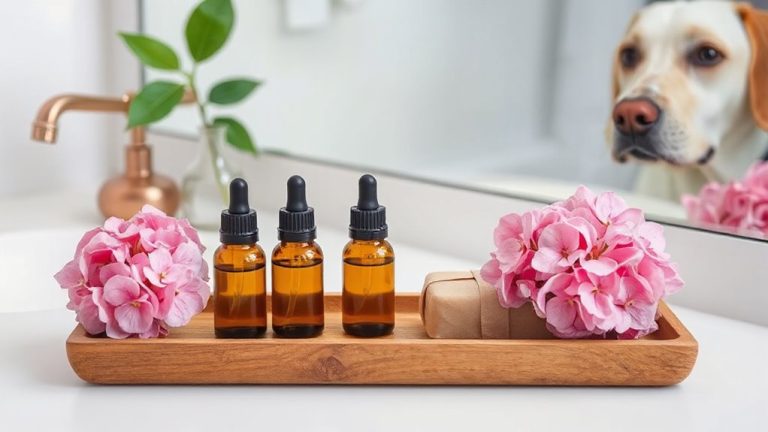
A good moisturizing routine keeps your pet’s skin supple and coat resilient in dry winter air. Use deep conditioning treatments every 2–3 weeks to replenish lipids and prevent flaking. These conditioners should contain ceramides, glycerin, or shea butter-ingredients proven to restore moisture barriers. Apply from mid-length to ends, avoiding the roots to prevent greasiness, and leave on for 5–10 minutes before rinsing with cool water to seal cuticles. Hydrating sprays offer a practical supplement between baths. Look for alcohol-free formulas with hyaluronic acid or aloe vera; they preserve moisture without irritating sensitive skin. Mist lightly over the coat 2–3 times weekly, focusing on dry-prone areas like the flank and tail base. These sprays typically contain pH-balanced solutions-around 6.2 to 7.5-to match your pet’s natural skin acidity. Consistent use improves coat luster and reduces static by up to 40% in low-humidity conditions. For optimal results, choose a dog grooming spray that combines conditioning agents with static-control properties.
Trim Fur to Stop Ice Clumping in Paws
Long fur around your pet’s paws traps snow and moisture, forming ice balls that can cause discomfort and increase slipping hazards. Trimming this fur reduces ice accumulation and prevents painful fur matting. Use blunt-tipped scissors or electric clippers with a 3–6 mm guard to safely shorten hair between paw pads and around toe edges. Cut parallel to the paw surface, avoiding sensitive areas. Maintain hair at ½ inch or less to minimize snow retention while preserving natural insulation. Regular trimming every 2–3 weeks during winter guarantees consistent protection. Mats trap moisture, creating a damp microenvironment ideal for ice buildup and skin irritation. Prevent matting by brushing with a slicker brush prior to trimming. Inspect paws weekly for early signs of clumping or debris entrapment. Proper grooming enhances traction, supports healthy gait mechanics, and reduces fall risks on slick surfaces. This simple step maintains paw hygiene and improves winter mobility.
Shield Paws and Skin From Salt and Snow
While winter conditions expose your pet’s paws and skin to harsh chemicals and freezing debris, proactive protection limits tissue damage and prevents dermatological irritation. Paw protection is essential against chloride-based ice melts, which can erode the skin barrier and lead to fissures or chemical burns. Use a veterinary-recommended balm containing ceramides, shea butter, or petrolatum to reinforce lipid layers. For active exposure, apply boots with skid-resistant soles and a snug 2–3 mm seam margin to prevent slush entry.
| Product Type | Key Ingredient | Avg. Protection Duration |
|---|---|---|
| Waxed Balms | Beeswax | 2–3 hours |
| Silicone Boots | TPR soles | Full outdoor session |
| Barrier Sprays | Poloxamer 407 | 1.5 hours |
Reapplication is necessary after prolonged contact. Preventive use improves skin barrier resilience by reducing transepidermal water loss up to 40%. Choosing the best dog paw balm can significantly enhance protection during winter walks.
Build a Daily Winter Grooming Routine
Typically, maintaining your pet’s coat during winter requires a consistent daily routine to combat dryness and trap heat effectively. Perform a quick coat inspection every morning to detect matting, debris, or skin irritation early. Use a pin brush or slicker brush suited to your pet’s fur type-brushing stimulates natural oil distribution, which preserves insulation. Long-haired breeds need at least 5 minutes of brushing; short-haired pets require 2–3 minutes. Wipe paws after walks to remove salt and moisture. Maintain indoor humidity between 40% and 50% using a hygrometer-controlled humidifier to prevent dry skin and brittle fur. Avoid over-bathing, as it strips essential oils-limit to once monthly with a moisturizing, oat-based shampoo. This routine preserves the coat’s thermal regulation properties, ensuring your pet stays warm and healthy throughout winter.
On a final note
You protect your pet’s coat best with consistent, targeted care. Use a slicker brush weekly to remove loose undercoat and prevent matting. Limit baths to every 4–6 weeks with sulfate-free, moisturizing shampoo at pH 5.5–7.0. Apply leave-in conditioner containing ceramides and fatty acids. Trim paw fur to 1/2 inch to reduce ice accumulation. Use booties or paw balm with petrolatum-based formulas to block chloride salts. A structured routine prevents dryness, cracking, and irritation.