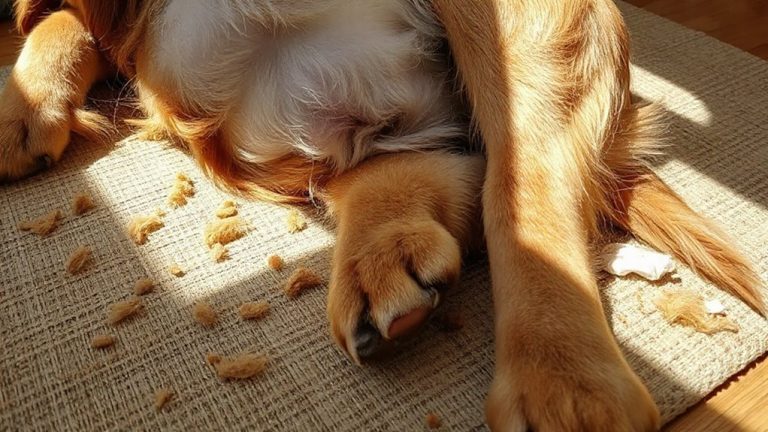
Understanding the Impact of Seasonal Changes on Pet Skin Conditions
Your pet’s skin reacts to seasonal shifts in temperature, humidity, and allergens. Cold air reduces sebaceous activity by up to 30%, increasing flakiness. Indoor humidity below 40% impairs barrier function, raising water loss by 50%. Pollen in spring triggers itching and alopecia in 15% of atopic dogs. Summer heat promotes parasites-spinosad prevents 98% of infestations. Mold and shedding rise in fall. Solutions vary by season, and the right approach depends on timing, environment, and clinical signs presented.
Notable Insights
- Seasonal temperature and humidity shifts can reduce skin moisture by 20–25%, weakening the epidermal barrier within weeks.
- Winter indoor heating drops humidity below 30%, increasing dryness, flakiness, and transepidermal water loss in pets.
- Spring pollen surge triggers allergic dermatitis, causing itching, ear redness, and hair loss in sensitized animals.
- Summer heat and humidity promote flea, tick, and mite infestations, raising risks of parasitic and heat-related skin issues.
- Fall mold spores and cool-season grass allergens accumulate in damp environments, worsening skin irritation and infection risk.
Why Your Pet’s Skin Reacts to Seasons
Although seasonal shifts may seem like a minor environmental change, your pet’s skin often responds dramatically due to fluctuations in temperature, humidity, and allergen exposure. Changes in coat texture are common, as cooler air reduces sebaceous gland activity by up to 30%, leading to coarser fur. Humidity drops below 40% in fall and spring disrupt epidermal barrier function, impairing natural lipid production. This directly impacts hydration levels, decreasing stratum corneum moisture by 20–25% in just two weeks. Indoor heating exacerbates dryness, accelerating transepidermal water loss. Pollen and mold spore concentrations above 50 particles per cubic meter heighten cutaneous sensitivity. Your pet’s skin turnover cycle, typically 21–28 days, may shorten or lengthen by up to 30% during shifts, affecting flake formation and oil balance. Using a hypoallergenic dog shampoo can help maintain skin integrity by gently cleansing without stripping essential oils.
Winter Pet Skin: Dryness and Indoor Allergens
When winter sets in, your pet’s skin faces a double threat from cold outdoor air and dry indoor environments. Low indoor humidity-often below 30%-exacerbates dry air conditions, stripping natural oils from your pet’s skin. Ideal indoor humidity should be maintained between 45% and 55% to preserve skin integrity. Prolonged exposure to dry air leads to epidermal barrier dysfunction, increasing transepidermal water loss by up to 50%. This results in flaky skin, itching, and microfissures prone to irritation. Indoor allergens like dust mites and dander accumulate in heated homes, triggering allergic dermatitis in sensitive animals. Use a hygrometer to monitor humidity and a pet-safe humidifier to stabilize levels. Avoid excessive bathing, which further depletes moisture. Select moisturizing shampoos containing ceramides or oatmeal, proven to restore lipid balance. Maintaining proper indoor humidity reduces dry air effects and limits allergen concentration, improving your pet’s skin resilience during winter months. Upgrading to a best winter pet bed can also help by providing insulated comfort that reduces exposure to cold surfaces.
Spring Pet Skin: Pollen and Allergy Flare-Ups
Why does your pet start scratching more as spring arrives? Rising temperatures increase pollen exposure from trees, grasses, and weeds, triggering allergic dermatitis in sensitive animals. Pollen grains adhere to your pet’s coat and skin, causing inflammation and intense itching. Symptoms include paw licking, ear redness, and alopecia, typically appearing within weeks of seasonal change. Atopic dermatitis affects up to 15% of dogs, with spring allergens being a primary catalyst. You should consider allergy testing to identify specific sensitivities. Intradermal skin testing or serum IgE testing can pinpoint culprits with 85–90% accuracy. Early diagnosis allows targeted interventions like allergen-specific immunotherapy. Environmental management-such as wiping paws after walks-reduces pollen load. Antihistamines or fatty acid supplements may help, but efficacy varies. Consult your veterinarian to customize a plan based on test results and clinical signs. Adding best dog supplements for itchy skin can further support skin health and reduce discomfort during high-allergen seasons.
Summer Pet Skin: Heat, Humidity, and Parasites
What happens to your pet’s skin when summer heat and humidity ramp up? Excess moisture and high temperatures create ideal conditions for skin irritation and infections. Heat rash develops in folds or poorly ventilated areas, especially in brachycephalic breeds. You must monitor for redness, itching, or pustules-signs of compromised skin barriers. Parasite prevention is non-negotiable; ticks, fleas, and mites thrive above 70°F and 60% humidity. Monthly topicals or oral medications with active ingredients like spinosad or fluralaner offer >98% efficacy over 30 days.
| Risk Factor | Recommended Action |
|---|---|
| High humidity | Use moisture-wicking grooming |
| >85°F temperatures | Limit outdoor exposure 10 AM–4 PM |
| Heat rash | Apply veterinarian-approved barrier creams |
| Flea infestations | Administer FDA-approved preventives monthly |
| Tick habitats | Perform daily coat inspections after walks |
Rotate products annually to reduce resistance.
Fall Pet Skin: Mold, Grass, and Shedding
How does your pet’s skin cope as autumn leaves decay and lawns turn damp? During fall, mold exposure increases as organic debris accumulates in yards and retains moisture. Outdoor pets face higher risks, with spores irritating sensitive skin and exacerbating allergic dermatitis. Mold thrives in humidity above 60%, making decaying leaf piles hotspots for fungal growth. Grass irritation also worsens in autumn due to lingering dampness and leftover summer pollen embedded in blades. Cool-season grasses like rye and fescue release allergens when disturbed, triggering pruritus and secondary infections. Your pet’s shedding cycle intensifies as daylight drops below 12 hours, prompting undercoat loss. This natural process can trap allergens and moisture against the skin, increasing infection risk. Regular brushing with an undercoat rake, combined with hypoallergenic wipes after outdoor activity, reduces allergen load. Immediate attention to scratching or redness helps prevent complications.
Protect Your Pet’s Skin All Year
Where does your pet’s skin protection begin-before the first flake of winter snow or the peak of summer humidity? It starts with consistent care rooted in coat nutrition and defense against environmental toxins. A balanced diet rich in omega-3 and omega-6 fatty acids strengthens the skin barrier, reducing dryness and irritation. You should provide 1,000–1,500 mg/kg of omega-3s in your pet’s daily intake for ideal dermal health. Bathing frequency should align with exposure risks-every 4–6 weeks with a pH-balanced shampoo removes pollutants without stripping natural oils.
| Season | Risk Factor | Preventive Action |
|---|---|---|
| Summer | UV exposure, pesticides | Apply pet-safe barrier sprays, limit midday walks |
| Winter | Dry air, road salt | Use humidifiers, rinse paws post-walk |
| Spring/Fall | Pollen, mold | Wipe coat after outdoor activity, boost coat nutrition |
Routine grooming filters environmental toxins and supports year-round resilience.
When to Call the Vet for Skin Issues
Could sudden changes in your pet’s skin signal something more serious? Yes, persistent redness, swelling, or discharge may indicate underlying skin infections. If you notice pus, crusting, or hair loss, contact your vet promptly-these are clinical signs of bacterial or fungal involvement. Behavioral changes like excessive scratching, licking, or irritability suggest discomfort or pain. Monitor for shifts in activity level or appetite, as these can accompany systemic illness. Early veterinary assessment improves treatment outcomes. Diagnostic steps may include skin scrapings, cytology, or fungal cultures. Antibiotics or antifungals are prescribed when infections are confirmed. Delaying care can lead to chronic dermatitis or secondary complications. Watch for recurring symptoms despite home care. Immediate consultation is necessary if lesions spread rapidly or your pet develops a fever. Timely intervention prevents progression and supports faster healing.
On a final note
Your pet’s skin health depends on seasonal adaptations. Changes in temperature, humidity, and allergen exposure directly affect epidermal integrity. Dry winter air reduces skin moisture, while summer humidity increases sebaceous gland activity and parasite risk. Pollen and mold spores in spring and fall trigger hypersensitivity reactions. Regular grooming, targeted moisturizers, and vet-approved preventatives maintain barrier function. Monitor for erythema, alopecia, or pruritus-early intervention prevents secondary infections and guarantees year-round dermal resilience.