Excessive Shedding in Pregnant Dogs: Causes & Fixes
Your dog’s shedding during pregnancy is driven by hormonal shifts, especially rising progesterone and prolactin, which push hair follicles into rest phase. Normal shedding is gradual, without bald patches or skin irritation. Brush every 2–3 days with a soft brush, and support coat health with 1,000 mg omega-3s per 20 lbs and a 1:5 to 1:10 omega-3 to omega-6 ratio. Excessive clumping or skin changes means further evaluation is needed-key details follow.
Notable Insights
- Hormonal changes during pregnancy, especially declining estrogen, can cause increased but normal shedding, particularly in late gestation.
- Excessive clump shedding lasting over 3 days may indicate an underlying issue and requires veterinary evaluation.
- Gentle grooming every 2–3 days with soft tools helps manage shedding without irritating sensitive, stretching skin.
- Support coat health with balanced nutrition, including omega-3 and omega-6 fatty acids in a 1:5 to 1:10 ratio.
- Watch for warning signs like bald patches, odor, or excessive scratching, which may signal infection or deficiency needing treatment.
Why Hormones Cause Shedding in Pregnant Dogs
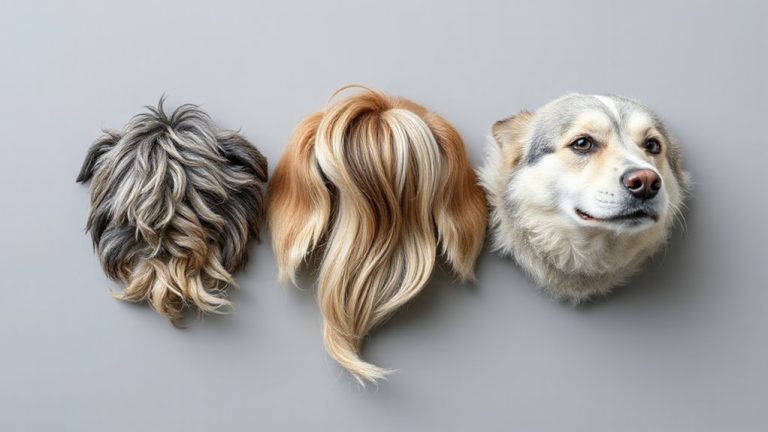
While pregnancy triggers a cascade of hormonal shifts in dogs, one of the most visible effects is increased shedding, driven primarily by fluctuations in estrogen, progesterone, and prolactin. These hormonal fluctuations directly impact hair follicle cycle regulation. Estrogen prolongs the anagen (growth) phase, but its decline post-implantation can push follicles into telogen (resting), leading to synchronized shedding. Progesterone rises steadily, altering sebaceous gland output and weakening hair shaft integrity. Prolactin, essential for mammary development, also reduces coat retention. Together, they disrupt normal coat texture, often making it finer, drier, and more prone to breakage. You’ll notice tufts of undercoat collecting in bedding or clinging to grooming tools. This physiological response is not pathological. The process mirrors seasonal shedding but is hormonally timed, not photoperiod-dependent. Monitoring the change helps distinguish normal progression from dermatological issues.
What’s Normal Shedding in Pregnant Dogs?
How much shedding should you expect in a pregnant dog? Normal shedding during pregnancy involves mild to moderate hair loss, consistent with her typical shedding patterns. Hormonal shifts may alter coat texture, causing undercoat thinning or outer coat softening. Most dogs shed incrementally, not in clumps. Long-haired breeds might show more visible shedding due to hair length, not increased volume. You’ll notice loose hairs during brushing, not bald patches or skin irritation. Shedding typically increases in late gestation, mirroring seasonal patterns but rarely exceeding them. A healthy coat retains elasticity and sheen despite texture changes. Monitor daily shedding with a brush count-more than 100 loose hairs daily may exceed normal limits. This baseline helps distinguish typical hormonal shedding from abnormal loss. No odor, redness, or inflammation should accompany normal shedding. Coat regrowth begins postpartum, often within six to eight weeks.
When to Worry About Shedding in Pregnant Dogs
What if your pregnant dog starts losing clumps of fur? While some shedding is normal, sudden bald patches or thinning hair could signal a problem. Excessive scratching may indicate skin irritation, allergies, or parasites like mites. If you notice coat discoloration-such as reddish or grayish patches-it might point to fungal infections or hormonal imbalances. These symptoms warrant prompt veterinary evaluation. Using a soothing dog shampoo for itchy skin can help manage discomfort while awaiting a vet consultation.
| Symptom | When to Be Concerned |
|---|---|
| Clump shedding | Consistent over 3 days |
| Excessive scratching | More than 10 times per hour |
| Coat discoloration | Spreading patches or odor |
Do not assume hormonal shifts are the sole cause. Rule out pyoderma, dermatophytosis, or nutritional deficiencies through clinical testing. Early intervention prevents secondary infections and supports maternal health, ensuring better outcomes for both the dam and her puppies. Monitor closely and consult your vet at the first red flag.
Gentle Grooming Tips for Pregnant Dogs
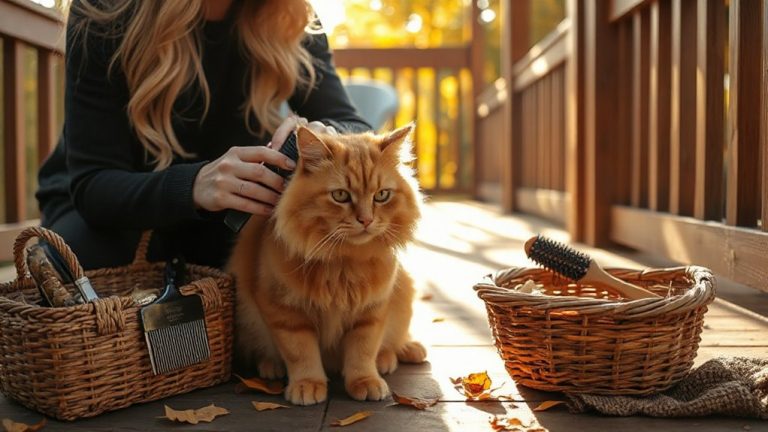
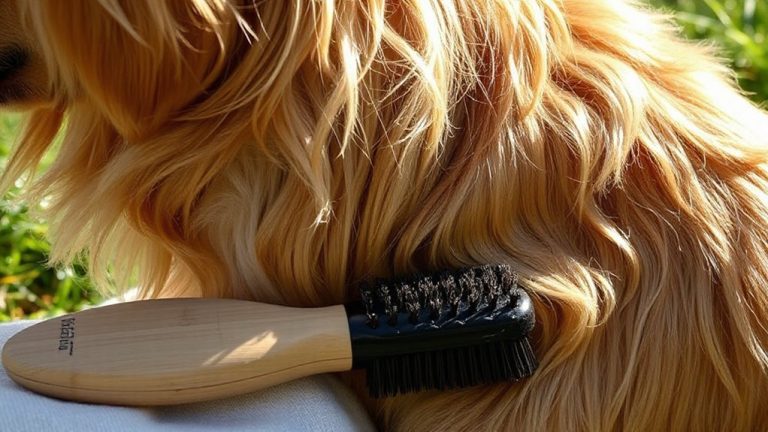
A calm, consistent grooming routine supports skin health and comfort throughout your pregnant dog’s term. Use gentle brushing techniques every 2–3 days to remove loose hair and prevent matting. Opt for a soft-bristle brush or rubber curry comb; these tools minimize skin irritation while effectively loosening dead hair. Avoid metal combs or shedding blades, which may cause discomfort or trauma to sensitive, stretching skin. Regular brushing stimulates blood circulation, aiding epidermal health. Perform coat conditioning with a vet-approved, hypoallergenic detangling spray or moisturizing rinse. These products typically contain oatmeal or ceramides, improving coat resilience and reducing breakage. Apply lightly, focusing on dense or friction-prone areas like the hindquarters and abdomen. Towel-dry thoroughly post-rinse to prevent chilling. Keep sessions brief-10 to 15 minutes-to reduce stress. Consistent grooming supports coat integrity, reduces excessive shedding, and allows early detection of skin abnormalities. For severe shedding, consider using a best deshedding tool recommended for sensitive canine skin.
Best Nutrients for a Healthy Coat During Pregnancy
Nutrition plays a foundational role in maintaining your pregnant dog’s coat health, directly influencing shedding levels and skin integrity. Omega fatty acids-specifically EPA and DHA from fish oil-support cell membrane strength and reduce inflammation, improving coat luster and reducing hair loss. A daily intake of 1,000 mg combined EPA/DHA per 20 lbs of body weight is clinically effective. Linoleic acid (an Omega-6) aids in ceramide formation, maintaining the skin’s moisture barrier. Balanced Omega-3 to Omega-6 ratios (ideally 1:5 to 1:10) optimize anti-inflammatory benefits. Probiotic support enhances gut health, increasing nutrient absorption critical for follicle function. Look for strains like *Lactobacillus acidophilus* and *Bifidobacterium animalis* at 1–5 billion CFUs daily. Vitamins A and E act as antioxidants, protecting dermal cells from oxidative stress. Choline and biotin improve keratin production, reducing brittle hair. Use vet-approved prenatal dog formulas that list exact concentrations to guarantee dosing accuracy. Top Omega-3 supplements for pets provide highly concentrated fish oil sources with optimal EPA and DHA levels to support maternal and fetal health.
Veterinary Signs: When to Call the Vet
Maintaining ideal nutrition supports your pregnant dog’s coat and overall health, but even with proper feeding, certain warning signs demand immediate veterinary attention. Abnormal discharge-especially green, bloody, or foul-smelling-can indicate infection or impending labor complications. Note its onset, color, and volume, as these details assist diagnosis. Behavioral changes like uncharacteristic aggression, lethargy, or disinterest in food may signal distress, illness, or hormonal imbalance. Monitor duration and severity, as acute shifts within 48 hours of expected delivery might be normal, but earlier changes aren’t. Excessive shedding combined with bald patches, erythema, or pruritus could reflect dermatological disease, not just hormonal flux. Rectal temperature above 103°F or below 99°F warrants concern. Respiratory rate exceeding 40 breaths per minute at rest is abnormal. When in doubt, call your vet-timely intervention prevents escalation.
On a final note
You should expect some increased shedding during your dog’s pregnancy due to hormonal shifts, particularly rising progesterone and estrogen levels. This is typically normal and resolves postpartum. However, bald patches, redness, or excessive hair loss may indicate underlying issues like hormonal imbalances or parasites. Maintain a balanced diet rich in omega-3 and omega-6 fatty acids. Groom gently with a soft brush every 2–3 days to manage loose hair and improve circulation.