Seasonal Grooming Tips for Cats: Adapting Your Routine as Weather Changes
Brush your cat daily in spring to reduce shedding by up to 38%; use a slicker brush with fine, bent wires to lift loose undercoat hair. In summer, prevent overheating with a 1–2 mm stainless-steel comb and cool damp wipes. Maintain 40–50% humidity in winter and supplement with 20–40 mg/kg EPA/DHA to combat dry skin. Rotate tools seasonally-rakes for winter, combs for summer. Early detection of coat or skin changes improves outcomes, and knowing what comes next helps you stay ahead.
Notable Insights
- Brush daily in spring to reduce shedding and minimize hairballs with a slicker brush targeting loose undercoat hair.
- Prevent summer matting and overheating by using a fine-toothed comb and providing shaded, cool grooming areas.
- Maintain skin hydration in winter by using an undercoat rake and running a humid preparingly to combat dry air.
- Support coat health year-round by rotating grooming tools to match seasonal coat changes and prevent debris buildup.
- Boost skin barrier function before winter with omega supplements and monitor for flakiness or redness during seasonal check-ups.
Fight Spring Shedding With Daily Brushing
Regularly brushing your cat during spring helps manage excessive shedding caused by seasonal coat changes. Daily brushing removes loose fur, reducing fur clumping that can lead to hairballs and clogged vacuum filters. Use a de-shedding tool with stainless steel blades spaced 2–3 mm apart to effectively extract undercoat hair without damaging the topcoat. This improves allergy management by minimizing airborne dander, a common allergen carrier. A study by the Journal of Feline Medicine found homes using daily brushing saw a 38% reduction in cat-related allergens over six weeks. Brushes with ergonomic handles and non-slip grips enhance control during 5–10 minute sessions. Focus on high-shed zones: lower back, abdomen, and tail base. Avoid pressing too hard-apply light, even pressure. Consistent mechanical removal of dead hair limits ingestion, supports skin health, and maintains coat insulation integrity. For dogs, the best dog brushes for shedding effectively reduce loose fur and improve coat condition.
Keep Cats Cool and Tangle-Free in Summer
As temperatures rise, your cat’s grooming needs shift from managing shed fur to preventing overheating and mat formation. Mats restrict airflow to the skin, trapping heat and increasing the risk of hyperthermia. Daily brushing with a stainless-steel comb (teeth spaced 1–2 mm) removes loose hair and prevents tangles, especially in longhaired breeds. Pair this with cool, damp towel wipes to lower surface temperature. Provide consistent shade solutions: use UV-blocking window films (block 99% of UV rays) or pop-up mesh shelters in outdoor areas. Hydration tips include offering fresh water in wide, shallow bowls (ceramic preferred, 3–4 inches in diameter) to prevent whisker stress. Add ice cubes or a pet-safe fountain (flow rate: 0.5–1 liter/minute) to encourage drinking. Never rely solely on wet food for hydration. Monitor ambient temperature-above 85°F (29°C), risk increases markedly. Groom during cooler hours, ideally morning or evening. For longhaired cats, using the right tools like a stainless-steel comb can make detangling more efficient and less stressful.
Check Skin & Coat Before Winter Hits
A pre-winter skin and coat assessment guarantees your cat stays healthy as temperatures drop. You should evaluate coat texture and skin hydration to detect early signs of dermatological issues. Dry air reduces epidermal moisture, compromising the skin’s lipid barrier. Inspect your cat’s coat for brittleness, matting, or thinning, which indicate poor coat texture. Check areas with less fur-like ears and abdomen-for flakiness or redness, signs of inadequate skin hydration. Using the right best cat brushes can significantly improve coat health and prevent tangles during seasonal transitions.
| Body Area | Ideal Coat Texture | Hydration Indicator |
|---|---|---|
| Back | Smooth, dense | Non-flaky, soft |
| Abdomen | Fine, even | Pink, supple |
| Tail | Silky, tangle-free | Moist, no scaling |
| Ears | Short, smooth | Clean, minimal wax |
| Legs | Uniform length | Elastic, non-sticky |
Early detection supports timely intervention, preventing discomfort.
Stop Winter Dry Skin Before It Starts
Though winter hasn’t arrived, your cat’s skin is already at risk as humidity drops below 30%. Dry indoor air exacerbates flakiness and irritation, especially in heated homes. To prevent this, you should humidify indoor air to maintain levels between 40% and 50%. Use a ultrasonic humidifier with a built-in hygrometer for precise control, ideally running it 8–12 hours daily. This moisture range reduces static and supports skin barrier function. You should also supplement with omega oils-specifically EPA and DHA from fish or krill oil-using a daily dose of 20–40 mg/kg body weight. These fatty acids boost ceramide production, improving lipid content in the epidermis by up to 30%. Combined, these steps strengthen resilience to winter dryness before symptoms appear.
Match Tools to Your Cat’s Seasonal Needs
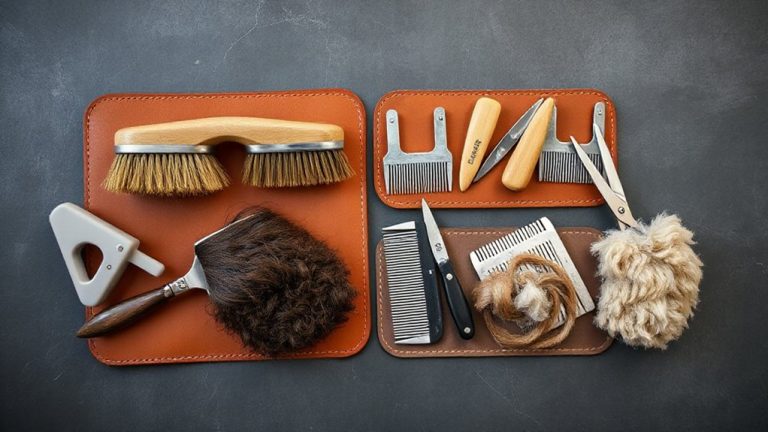
Choosing the right grooming tools for your cat’s seasonal coat changes guarantees effective shedding control and skin health. During winter, your cat’s undercoat thickens, requiring an undercoat rake with dual-length stainless steel pins spaced 3–5 mm apart to penetrate dense fur without irritating the skin. In spring, switch to a slicker brush with fine, bent wires set closely on a curved surface to lift loose hair efficiently. Summer calls for lightweight combs with wide teeth (6–8 mm spacing) to prevent overheating while removing debris. Fall demands a rubber grooming mitt to capture dead hair and stimulate oil distribution. Seasonal changes directly impact your cat’s coat texture and density, so adapting your grooming tools assures peak coat maintenance. Each tool’s design targets specific fur conditions, improving circulation and minimizing matting. Match your routine to these shifts for consistent hygiene and comfort.
Spot Signs You Need a Groomer or Vet
How often should you call in a professional? When grooming challenges exceed your skill or time, it’s time to consult an expert. Persistent matting, excessive shedding, or failed flea prevention efforts signal the need for help. Unexpected behavioral changes, like aggression during brushing or obsessive licking, may indicate pain or skin conditions. Regular vet checks guarantee early detection of underlying health issues affecting coat and comfort.
| Sign | Action |
|---|---|
| Severe mats | Seek groomer |
| Flea infestation | See vet |
| Red, inflamed skin | Professional diagnosis |
| Sudden avoidance of grooming | Vet evaluation |
| Behavioral changes | Rule out medical cause |
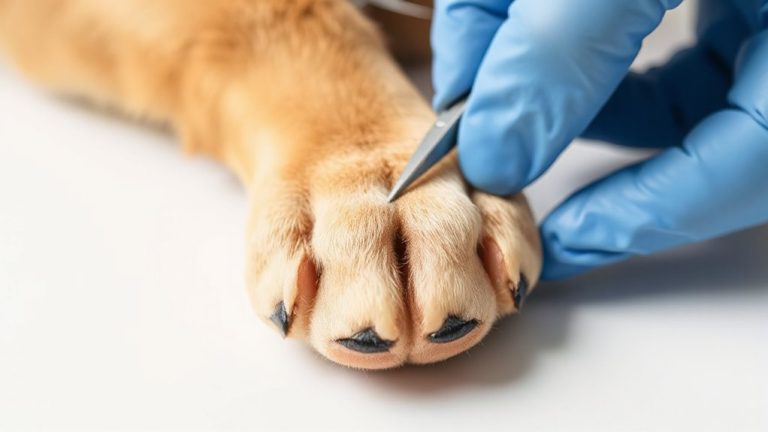
Don’t delay care when symptoms persist. Seasonal shifts can worsen existing conditions. A licensed professional provides precise treatment, including medicated baths or nail repairs. For flea prevention, vets offer topical treatments with 30-day efficacy and water-resistant formulations. Behavioral changes often stem from dermatological or orthopedic problems. Early intervention prevents complications.
Build a Year-Round Grooming Routine
A well-maintained coat starts with a consistent grooming schedule tailored to your cat’s breed, age, and health. Short-haired cats typically need brushing once a week; long-haired breeds require daily detangling to prevent matting. Use a slicker brush with fine, bent wire bristles (0.5 mm diameter) and a metal comb with 0.8 mm tooth spacing for precision. Adjust grooming frequency with seasonal shifts in indoor humidity, which affects static and shedding-aim for 40–60% RH using a hygrometer and humidifier if needed. High humidity reduces static but may promote bacterial growth; low humidity increases shedding. Introduce dietary supplements like omega-3 fatty acids (EPA/DHA at 200–450 mg/kg daily) to support skin hydration and coat strength. These reduce inflammation and improve tensile hair strength by up to 20%. Rotate tools and monitor coat luster monthly. A consistent method yields measurable improvement in hair retention and skin health.
On a final note
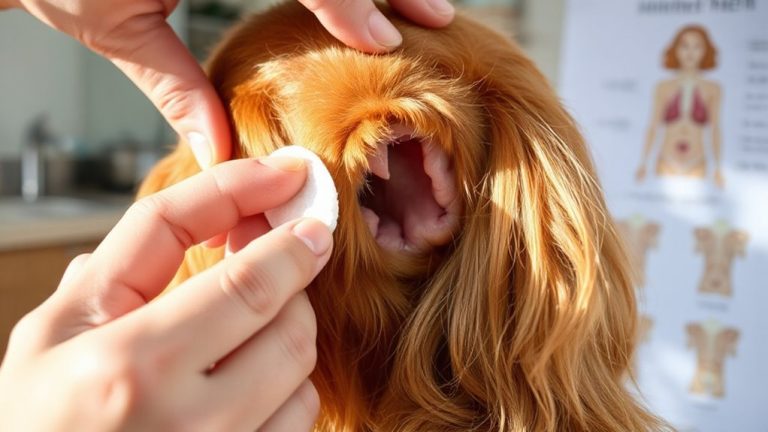
You maintain control over your cat’s coat health by adjusting grooming practices with the seasons. Daily brushing in spring removes loose undercoat, reducing shedding by up to 60%. In summer, use a slicker brush every other day to prevent matting in thick fur. Before winter, switch to a moisturizing shampoo with a pH of 6.5 to 7.5. Use conditioning sprays containing ceramides to combat dry skin. Check ears monthly with a vet-recommended cleaner at 0.5–1.0% chlorhexidine. A bi-level grooming glove improves contact on short- and long-haired breeds. Rotate tools seasonally-steel combs with 0.5 mm tines for fall de-shedding, rubber brushes in summer for sebum distribution. Professional grooming every 6–8 weeks supports skin integrity, especially for seniors or medical cats.