Coat Types Explained: From Wire-haired Terriers to Smooth-coated Retrievers
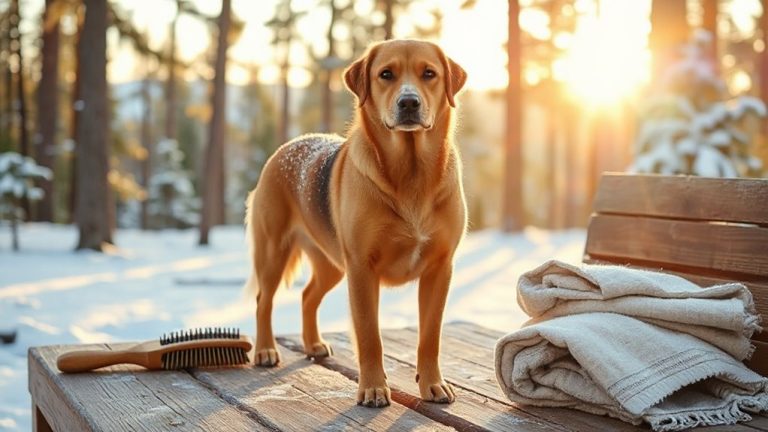
Your dog’s coat type directly impacts grooming, shedding, and care. Smooth coats, like a Retriever’s, shed moderately and need weekly brushing. Wire-haired terriers require hand-stripping twice yearly to maintain coat texture. Long and curly coats grow continuously, needing clipping every 4–6 weeks. Double coats insulate well in cold climates but shed heavily. Hypoallergenic breeds trap dander, reducing allergens. Each type demands specific tools and routines-understanding them guarantees healthier skin and coat. Choosing the right one aligns with your home’s climate and lifestyle demands. Next steps reveal how each coat performs in real-world conditions.
Notable Insights
- Wire-haired coats have a coarse outer layer and soft undercoat, requiring hand-stripping to maintain texture and color.
- Smooth coats are short and dense, needing weekly brushing to control moderate shedding and distribute natural oils.
- Long coats grow continuously and demand daily detangling plus regular trims to prevent painful matting.
- Curly coats shed minimally and are allergy-friendly but require professional clipping every 4–6 weeks.
- Coat type determines grooming needs, shedding level, climate adaptability, and suitability for allergy-sensitive households.
The 5 Main Dog Coat Types (And What Each One Needs)
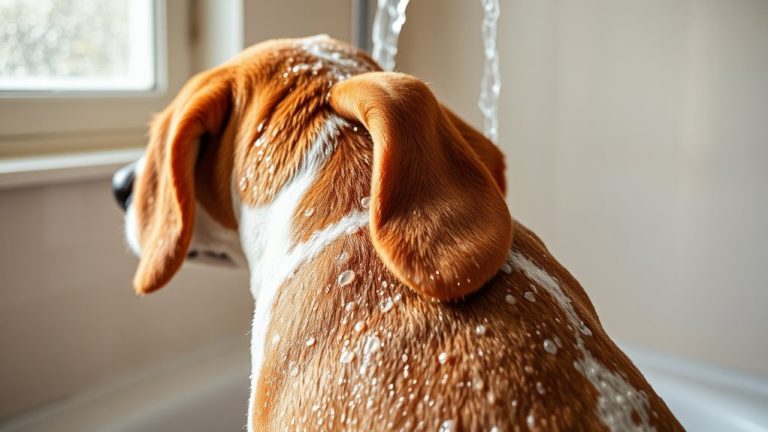
Coat type isn’t just about looks-it’s a direct indicator of maintenance needs and suitability for your lifestyle. Smooth coats, like those on Beagles, require weekly brushing; their short, dense fur lies flat and sheds moderately. Wire-haired breeds, such as Scottish Terriers, have coarse outer coats and soft undercoats, needing hand-stripping every few months to maintain texture and color. Long coats, seen in Afghan Hounds, demand daily detangling and routine trims to prevent matting. Curly coats, like the Poodle’s, grow continuously and must be clipped every 4–6 weeks. Hairless varieties, such as the Xoloitzcuintli, need moisturizing and UV protection. Each type reflects specific coat genetics aligned with breed standards. These standards define length, density, and texture to preserve functional and aesthetic traits across generations.
How Coat Type Affects Shedding and Allergies
You might think a dog’s coat is just about appearance, but it plays a major role in how much hair ends up on your furniture-and how often allergies flare. Shedding patterns vary considerably by coat type. Double-coated breeds, like Huskies, shed heavily seasonally due to dense undercoats that trap loose hair and dander. Single-coated dogs, such as Greyhounds, shed lightly year-round. Hair length and growth cycle also affect allergen distribution. Dogs with continuous growth coats, like Poodles, shed minimally and release less dander-the primary trigger for allergies. Hypoallergenic breeds often have this trait, making them preferable for sensitive individuals. These breeds typically require regular grooming to prevent matting, but their coats trap allergens instead of releasing them. Understanding shedding patterns helps match dogs to living environments. No dog is entirely allergen-free, but coat type directly influences allergen load and shedding frequency.
Grooming Tips for Every Dog Coat Type
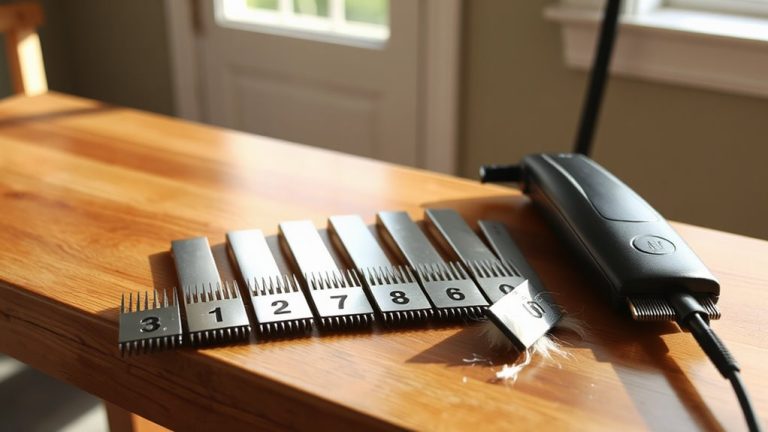
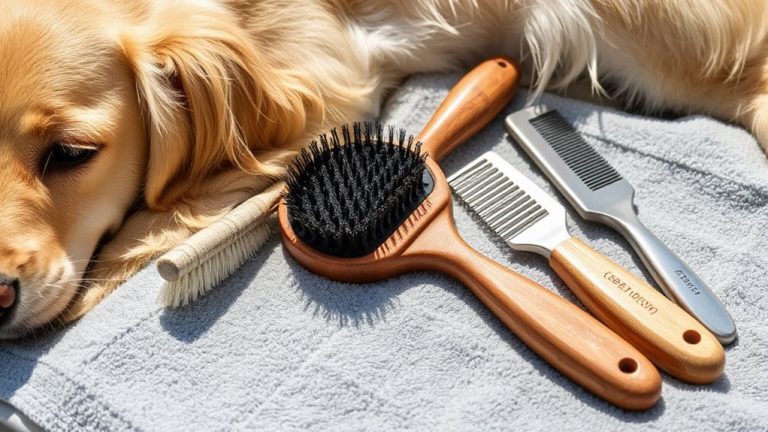
While coat structure determines grooming frequency, your tools and technique must match the specific type to maintain skin health and minimize shedding. Proper coat protection begins with using the right tools for texture and density. For seasonal styling, adjust routines to manage undercoat loss or weather resistance.
| Coat Type | Tool & Technique |
|---|---|
| Smooth | Rubber curry brush; 1x/week |
| Long & Silky | Pin brush + wide comb; every other day |
| Curly | Slicker brush; detangle before wetting |
| Wire-haired | Stripping knife; hand-strip twice yearly |
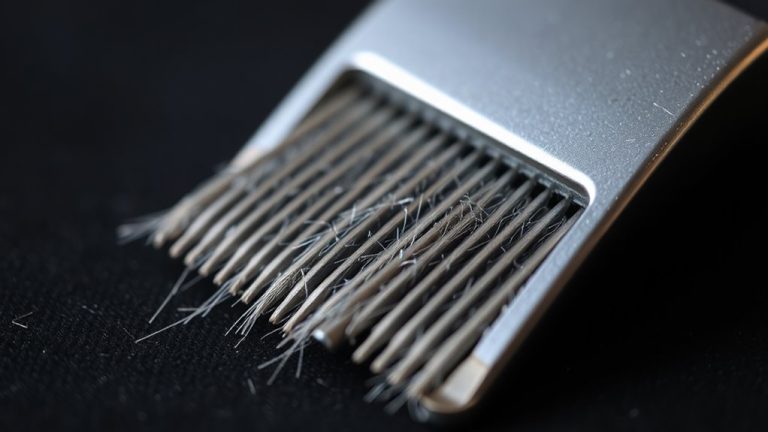
Use blunt-tipped tools to avoid skin abrasion. Bathe only when necessary-overwashing reduces natural oils. For double-coated breeds, undercoat rakes remove up to 90% of dead hair during seasonal styling peaks. Always dry thoroughly to prevent damp-related irritation. Your consistency guarantees coat protection and peak skin barrier function. Top-rated tools like undercoat rakes can significantly improve shedding control when used regularly.
How Your Dog’s Coat Impacts Daily Care
A dog’s coat does more than influence grooming tools and frequency-it directly shapes every aspect of daily care, from outdoor exposure limits to indoor cleaning routines. Your dog’s coat texture determines shedding levels, dirt retention, and moisture wicking. Double-coated breeds, like Huskies, trap insulating air for climate adaptation in subzero temperatures but overheat above 75°F. Single-coated breeds, such as Greyhounds, offer minimal insulation and require garments below 50°F. Water-resistant topcoats repel moisture up to 90% humidity, while porous undercoats absorb sweat and increase bathing needs. Long or curly coats trap debris, requiring daily brushing to prevent matting over 0.5 inches in density. Short coats need weekly wiping to remove loose hair-averaging 100–200 strands daily. You’ll vacuum 30% more if your dog lacks seasonal shedding cycles. Coat texture also affects drying time: dense undercoats retain 30–40% more water, demanding extended blow-drying. Climate adaptation dictates outdoor duration-20 minutes max in extreme heat for thick-coated dogs. Choosing the right dog grooming brushes for shedding can significantly reduce loose hair and improve coat health.
Find the Right Dog Coat for Your Home and Routine
What if your home’s environment and daily schedule could determine the ideal dog coat? Your choice impacts grooming time, health, and comfort. Match coat durability and climate suitability to your lifestyle.
| Coat Type | Climate Suitability | Coat Durability (wear resistance) |
|---|---|---|
| Smooth | Hot, dry climates | High – tight lay, minimal matting |
| Double | Cold, variable regions | Moderate – dense undercoat sheds |
| Wire-haired | Temperate, rugged areas | Very high – coarse, resilient fibers |
| Long-haired | Cool, indoor-dominant | Low – prone to tangles, high upkeep |
| Curly | Humid, allergy-sensitive | High – traps debris, needs trimming |
Choose based on environmental exposure and activity. Wire-haired breeds handle brush trails; smooth coats thrive in heat. Double coats insulate in cold but overheat easily. Prioritize climate suitability and coat durability to reduce stress and maintenance.
On a final note
Your dog’s coat type directly impacts maintenance and compatibility with your lifestyle. Smooth coats shed moderately and require weekly brushing. Wire-haired breeds need hand-stripping twice yearly to preserve texture. Double-coated dogs shed heavily seasonally; undercoat rakes remove up to 90% of loose fur. Hypoallergenic coats produce fewer allergens but demand consistent clipping. Grooming frequency, tool selection, and shedding levels depend on follicle density, hair length, and coat layer count-all measurable, manageable factors in responsible ownership.