Why Some Pets Gain Weight After Spaying/Neutering—And How to Prevent It
Spaying or neutering lowers your pet’s metabolic rate by 20–30% due to reduced sex hormones, decreasing calorie needs. Their appetite can increase up to 30%, increasing food intake without adjustment. This hormonal shift reduces satiety signals and spontaneous activity, promoting fat retention. Feed measured portions of high-protein, fiber-rich food-like ¾ cup daily of a 380 kcal/cup adult maintenance diet for a 10 lb pet. Schedule twice-daily 10–15 minute leash walks post-recovery, building to 30–45 minutes of aerobic activity most days. A body condition score of 4–5/9 is ideal-ribs should be palpable under a thin fat layer. Adjusting diet and exercise immediately post-surgery supports long-term metabolic health and weight stability. Further guidance on tailored nutrition and activity plans follows.
Notable Insights
- Spaying or neutering reduces metabolic rate by 20–30%, lowering calorie needs even if activity levels stay the same.
- Loss of sex hormones increases appetite, leading to higher food intake and weight gain risk.
- Reduced spontaneous activity decreases daily energy expenditure, contributing to fat accumulation.
- Switching to a lower-calorie, high-protein, high-fiber diet helps maintain satiety and prevent excess weight gain.
- Implement portion control and daily exercise, including 30–45 minutes of aerobic activity for dogs or 20–30 minutes of play for cats.
Why Your Pet Gains Weight After Spay or Neuter
Why does your pet pack on pounds after spay or neuter surgery? Hormonal changes following the procedure alter appetite regulation and fat metabolism. Sex hormones like estrogen and testosterone help modulate energy balance; their removal reduces satiety signals, increasing food-seeking behavior. Studies show spayed or neutered dogs can experience up to a 30% increase in appetite within weeks. Concurrently, reduced activity diminishes caloric expenditure. Post-surgery, pets often show lower spontaneous activity, including less running, climbing, and foraging. This drop can reduce daily energy needs by 20–35%. Without dietary adjustments or increased exercise, excess calories convert to adipose tissue. The combination of hormonal shifts and reduced activity creates a persistent positive energy balance. Preventative strategies must address both factors. Calorie intake should be reduced by at least 20% post-surgery. Activity levels should remain consistent through structured play and walking routines.
Why Metabolism Slows After Spay/Neuter Surgery
Your pet’s weight gain after spay or neuter surgery isn’t just about eating more or moving less-it’s also driven by a measurable drop in metabolic rate. Hormonal changes after surgery reduce energy expenditure by up to 20–30%. Without intervention, this shift promotes fat retention, even on the same diet. These hormonal changes directly affect thyroid activity and insulin sensitivity, lowering basal metabolic rate. Your pet now burns fewer calories at rest, making weight maintenance harder. Incorporating targeted pet weight management supplements can help support metabolism and healthy weight control during this transition.
| Factor | Pre-Surgery | Post-Surgery |
|---|---|---|
| Metabolic Rate | 100% (baseline) | 70–80% of baseline |
| Daily Energy Expenditure | High | Reduced by 20–30% |
| Hormonal Influence | Normal cycling | Sharply reduced sex hormones |
Adjusting food intake and activity levels soon after surgery supports metabolic adaptation. Ignoring this shift risks long-term weight issues.
Signs Your Pet Is Gaining Too Much Weight
How can you tell when the scale is tipping too far? Look for consistent lethargy patterns-your pet sleeps more, engages less, and shows diminished interest in activity. A healthy adult dog typically needs 30–60 minutes of daily exercise; if they struggle to complete short walks, weight may be an issue. Overweight pets often develop visible abdominal distension and lose their waistline when viewed from above. You should be able to feel, but not prominently see, their ribs under a thin layer of fat. Excess weight increases joint stress, accelerating osteoarthritis, especially in large breeds like Labradors or Maine Coon cats. Joint stress manifests as stiffness, limping, or difficulty rising. Body Condition Score (BCS) systems use a 9-point scale; ideal is 4–5. Persistent weight gain beyond 10–15% of ideal body weight poses measurable health risks. Monitor regularly using consistent assessment criteria.
What to Feed After Spaying to Avoid Weight Gain
Spaying alters your pet’s hormonal balance, reducing metabolic rate by up to 20–30%, which increases the risk of weight gain if feeding practices aren’t adjusted. To prevent this, switch to a post-spay feeding strategy focused on lower-calorie, nutrient-dense foods. Prioritize high-protein, low-fat formulas with fiber to support satiety. Always practice portion control-use a measuring cup and feed based on ideal body weight, not current weight. Here’s a comparison of common feeding approaches:
| Diet Type | Calories per Cup | Recommended Portions (10 lb pet) |
|---|---|---|
| Adult Maintenance | 380 kcal | ¾ cup daily |
| Weight Control | 300 kcal | 1 cup daily |
| High-Protein Lite | 320 kcal | ⅞ cup daily |
Adjust based on activity level. Monitor weight monthly. Consistent portion control and an appropriate feeding strategy are essential for post-spay health.
Exercise Routines That Prevent Post-Neuter Weight Gain
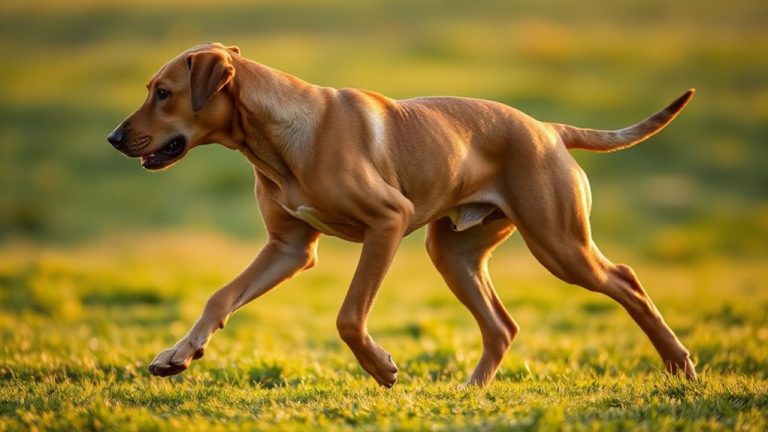
Why do so many pets pack on pounds after being neutered? Hormonal shifts reduce metabolic rate by up to 30%, increasing fat storage if energy expenditure isn’t adjusted. You must modify exercise timing and activity types to counteract this. Begin light activity 10–14 days post-surgery, once incisions heal. Short, leash-controlled walks of 10–15 minutes twice daily support recovery without strain. After full recovery, increase to 30–45 minutes of aerobic activity (e.g., brisk walking, fetch, or swimming) at least five days per week. Ideal exercise timing aligns with cooler parts of the day-early morning or late evening-to prevent overheating. Incorporate varied activity types: interval play sessions of 5 minutes on/off boost cardiovascular fitness. For dogs, aim for 80–120 minutes of combined activity daily, tailored to breed and age. Consistency in duration and intensity regulates metabolism. Cats benefit from 20–30 minutes daily of interactive play using wand toys or laser pointers to stimulate hunting behaviors and sustain caloric burn.
On a final note
You can prevent post-spay or neuter weight gain with precise diet and exercise management. Metabolism drops 20–30% after surgery due to reduced sex hormones. Feed a veterinary-formulated, reduced-calorie diet with 15–20% less energy density. Measure portions: use ⅔ of pre-surgery intake as a baseline. Exercise daily: 30 minutes of brisk walking for dogs or active play for cats maintains muscle mass and burns excess calories. Monitor body condition score monthly.