Designing a Weight-Management Plan for Dogs With Arthritis and Limited Mobility
Losing excess weight reduces joint stress-each pound lost takes up to three pounds of pressure off arthritic joints. Feed a vet-approved diet with 250–300 kcal per cup, 25–30% protein, and at least 500 mg EPA+DHA per 1,000 kcal to fight inflammation. Use low-calorie treats like glucosamine chews (12–15 kcal) and limit them to 10% of daily intake. Incorporate short, twice-daily walks and passive range-of-motion exercises. Monitor progress weekly with a digital scale and timed mobility tests-consistent tracking reveals subtle improvements in function and comfort.
Notable Insights
- Reduce joint stress by achieving 6–8% weight loss, lowering inflammation and slowing arthritis progression.
- Select therapeutic diets with 25–30% protein, 10–15% fat, and at least 500 mg EPA+DHA per 1,000 kcal.
- Limit treats to 10% of daily calories using low-calorie, joint-supportive options like glucosamine snacks or carrot slices.
- Perform short, frequent walks and daily passive range-of-motion exercises to maintain mobility with minimal joint impact.
- Monitor progress weekly with consistent weigh-ins, gait analysis, and timing mobility tasks like standing or stair use.
How Weight Fuels Arthritis Pain in Dogs
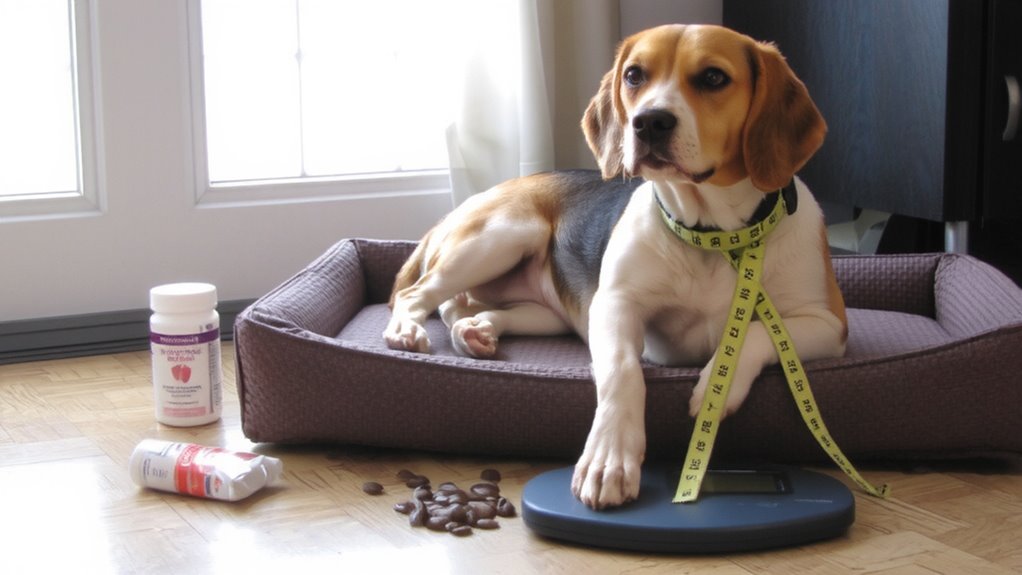
Extra pounds. They increase joint stress in dogs, compounding arthritis pain. Every extra pound adds up to three pounds of pressure on weight-bearing joints during movement. This mechanical load accelerates cartilage breakdown. But it’s not just about pressure-adipose tissue is metabolically active. It secretes pro-inflammatory cytokines like interleukin-6 and tumor necrosis factor-alpha, fueling the inflammation cycle. Chronic inflammation degrades synovial fluid and damages joint linings. In arthritic dogs, this worsens lameness and reduces mobility. Excess weight also elevates systemic C-reactive protein levels, a measurable marker of inflammation. Reducing body fat decreases these mediators. Weight loss of just 6–8% markedly lowers joint stress and slows disease progression. You can measure improvement via force-plate gait analysis, which shows increased weight distribution on affected limbs. Control the scale, and you directly influence pain and function.
Best Foods for Arthritis and Weight Loss
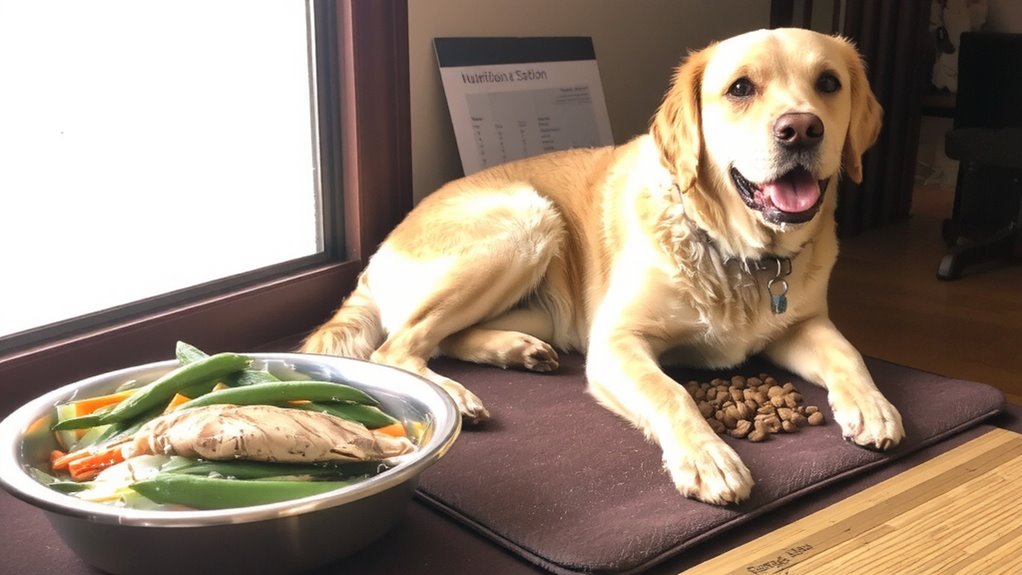
Nutrition is your most powerful tool when managing both arthritis and weight in dogs. Choose commercial diets labeled for joint and weight support, typically containing 250–300 kcal per cup. These foods leverage omega 3 benefits from fish oil, with EPA and DHA reducing joint inflammation. Look for at least 500 mg EPA+DHA per 1,000 kcal. Anti-inflammatory diets often include antioxidants like vitamin E and selenium-aim for 20–50 IU vitamin E per kg of food. High-protein, moderate-fiber formulas help preserve lean mass while promoting satiety. Ideal macronutrient ratios are 25–30% protein, 10–15% fat, and 5–10% fiber on a dry matter basis. Avoid fillers like corn and soy. Prescription veterinary diets such as Hill’s j/d or Royal Canin Mobility Support offer precise formulations. Rotate with fresh, steamed vegetables for variety, but keep calories controlled. For comprehensive guidance, consult the best hip and joint dog food picks and buying advice from experts.
Use Joint-Supportive, Low-Calorie Treats
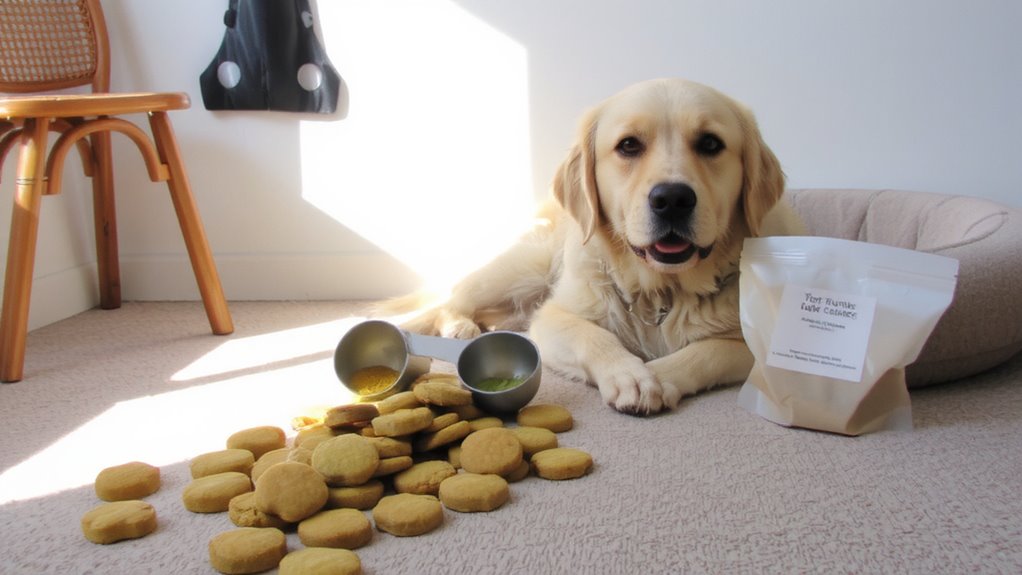
While regular treats can sabotage weight goals, you can still reward your dog with options that support joint health without excess calories. Choose glucosamine snacks and anti-inflammatory biscuits formulated for dogs with arthritis. These treats often contain chondroitin, omega-3s, and natural antioxidants that reduce joint degradation. Best glucosamine supplements are specifically designed to deliver optimal levels of glucosamine per serving, ensuring your dog receives effective joint support in line with veterinary recommendations.
| Treat Type | Calories per Piece |
|---|---|
| Glucosamine snacks | 12–15 kcal |
| Anti-inflammatory biscuits | 18–22 kcal |
| Carrot slices (natural option) | 4 kcal |
Most glucosamine snacks deliver 250–500 mg of glucosamine per 10 lb body weight daily when fed as directed. Anti-inflammatory biscuits typically include turmeric or green-lipped mussel extract, proven to lower COX-2 enzyme activity. Limit treats to 10% of your dog’s daily caloric intake. Always verify label dosage relative to body weight.
Try Gentle Daily Exercises for Stiff Dogs
Keeping your dog moving is just as important as managing their diet, especially when treats alone won’t maintain joint mobility. Gentle daily exercise supports circulation and joint function without overloading sore limbs. Short walks of 5 to 10 minutes, twice daily, are ideal. Maintain a slow, steady pace on soft surfaces like grass or dirt to minimize joint impact. These controlled movements encourage synovial fluid circulation, which lubricates joints and preserves cartilage health. Incorporate passive range motion exercises by gently flexing and extending each limb through its natural motion path-perform 5 to 10 repetitions per joint, once daily. Avoid forcing movement beyond mild resistance. Consistency matters more than intensity. Over time, this routine improves flexibility and reduces stiffness. Exercise enhances weight-loss efforts by increasing caloric expenditure while preserving lean muscle mass. Always monitor for lameness or reluctance and adjust accordingly.
Track Weight and Mobility at Home
Your dog’s progress depends on consistent monitoring, and tracking weight and mobility at home is the most effective way to measure improvement. Home tracking enables early detection of weight fluctuations and mobility changes. Weigh your dog weekly using a digital pet scale with 0.1-pound increments for accuracy. Record data in a log or app to identify trends. Conduct mobility assessments every two weeks: time your dog’s rise from lying to standing-normal is under 5 seconds; delays suggest joint dysfunction. Use slow-motion video to analyze gait symmetry. Take progress photos monthly under consistent lighting, capturing side and rear views to document body condition and stance changes. Compare images digitally with overlay tools to detect subtle shifts in muscle mass or posture. Track stair navigation ability and willingness to walk on slippery floors. These quantifiable metrics enhance treatment evaluations. Home tracking combined with objective data supports informed decisions. Progress photos provide visual evidence of long-term changes.
Work With Your Vet on Pain and Weight
Because effective weight management in arthritic dogs depends on controlling pain and inflammation, working closely with your vet guarantees both issues are addressed with precision. Regular pain assessment helps identify subtle signs-lameness, hesitation to move, or muscle atrophy-ensuring timely intervention. Your vet may recommend NSAIDs like carprofen or meloxicam, dosed at 2 mg/kg once daily, to reduce inflammation. Alternative medication options include gabapentin for neuropathic pain or Adequan injections, administered at 2 mg/kg twice weekly for four weeks. Weight loss eases joint stress; every pound lost reduces knee pressure by four pounds. Blood work and physical exams every 3–6 months monitor organ function and adjust treatments. Never change doses without veterinary guidance. Combining medication options with controlled exercise supports mobility. Pain control isn’t comfort-it’s therapy. Proper pain management enables activity, which enhances weight-loss success. Top arthritis medications for dogs can significantly improve mobility and quality of life when used as part of a comprehensive plan.
Fix Portions Without Making Meals Sad
Managing pain effectively sets the stage for addressing a key factor in arthritic dogs’ health-calorie intake. Portion control is essential to prevent weight gain, which exacerbates joint stress. Measure food precisely using a digital kitchen scale or calibrated measuring cup-aim for 2–3% of your dog’s ideal body weight daily, divided into two meals. Reducing volume doesn’t mean reducing satisfaction. Use meal enrichment to increase meal palatability and perceived quantity without adding calories. Mix in low-calorie fillers such as canned pumpkin (1–2 tablespoons per meal) or green beans (up to 10% of total meal volume). These add fiber and moisture, promoting satiety. Dispense food via slow-feed puzzles or Kongs to extend eating time, mimicking natural foraging. This stimulates mental engagement and reduces begging. Meal enrichment supports portion control by enhancing meal experience while maintaining strict caloric limits essential for joint health and mobility.
On a final note
You must manage your dog’s weight to reduce joint stress. Excess fat increases inflammatory cytokines, worsening arthritis. Feed a vet-approved, high-protein, low-calorie diet with 25–30% fewer calories than maintenance needs. Use treats with glucosamine (500 mg per 10 lbs body weight daily). Perform 10-minute, twice-daily passive range-of-motion exercises. Monitor weight weekly; aim for 1–2% body weight loss per week.