The pH Balance Myth: Debunking Myths About Pet Skin Health
Your pet’s skin pH is naturally neutral to slightly alkaline-dogs average 6.2–7.5, cats 6.4–7.8-so “pH-balanced” shampoos marketed as acidic aren’t always appropriate. These products often mimic human skin (pH 5.5), which differs markedly from pets’. Overemphasizing pH ignores real issues like allergies, parasites, and sebum deficiency. Healthy skin relies on a stable microbiome and intact lipid barrier, not pH-targeted cleansers. Most pets do fine with gentle, non-alkaline shampoos; you’ll see why the focus should shift to formulation, not pH alone.
Notable Insights
- Pet skin pH varies by species, with dogs averaging 5.5–7.5 and cats 6.4–7.8, contrary to claims of a single ideal pH.
- The “pH-balanced” label on shampoos is largely a marketing term with little clinical backing for healthy pet skin.
- Healthy pet skin maintains its own acid mantle; overbathing with any shampoo can disrupt natural defenses more than pH levels.
- Human shampoos are often too acidic (pH ~5.5) and may irritate dog or cat skin if used regularly.
- Skin issues in pets stem more from genetics, allergies, and parasites than from shampoo pH imbalances.
What Pet Skin pH Is: And What It Isn’t?
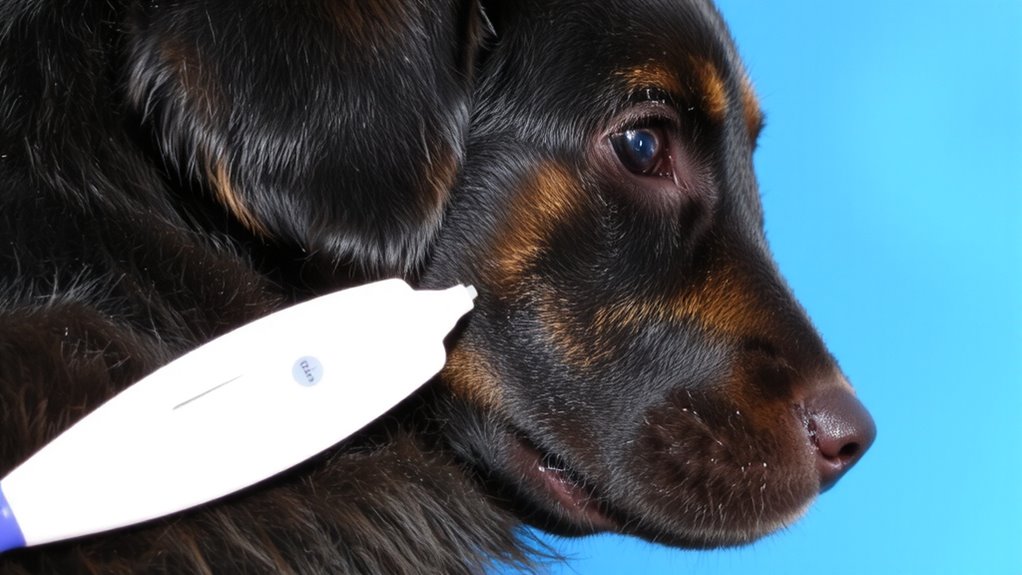
Why does your pet’s skin pH matter? It affects their skin’s ability to resist bacteria and retain moisture. Pet skin acidity typically ranges from 5.5 to 7.5, differing by species and breed. Dogs average around 5.5 to 7.5, while cats stay closer to 5.5. This balance isn’t about being “acidic” or “alkaline” in a binary sense-skin acidity is a delicate gradient critical for barrier function. pH testing confirms if a product aligns with your pet’s natural range. You can measure it using non-invasive skin swabs and a calibrated meter. Misunderstanding this often leads to overuse of human shampoos, which disrupt the acid mantle. Skin isn’t inherently “too acidic” or “too dry”-it’s unbalanced when pH shifts beyond its species-specific norm. Proper care means respecting this biological baseline, not correcting a myth. pH testing guarantees accuracy, not assumption.
When Pet Skin pH Really Matters?
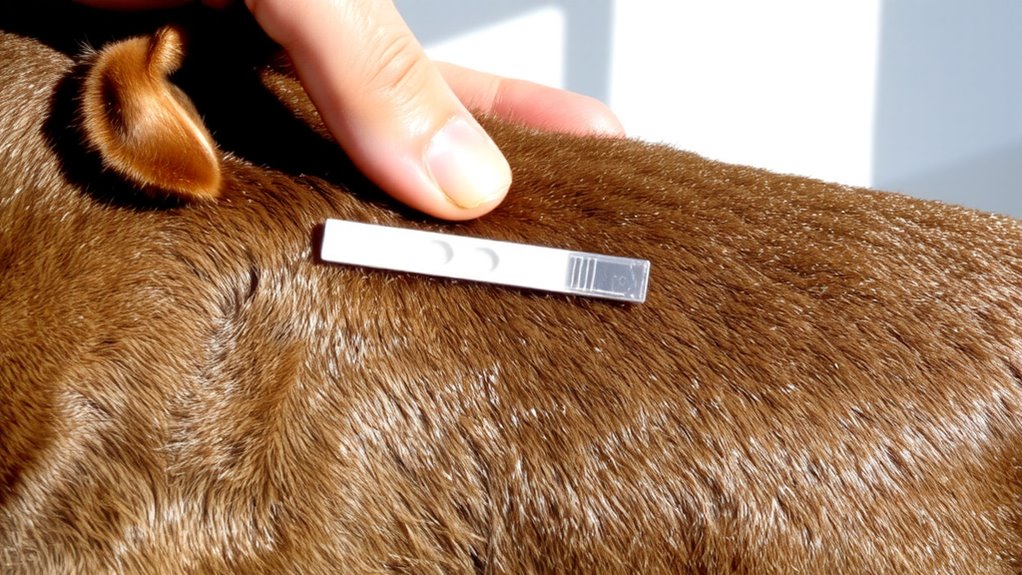
You see pH matter most when your pet’s skin barrier is compromised. Damaged skin alters natural acidity, disrupting lipid balance and increasing infection risk. Healthy dog skin has a pH of 6.2–7.5; cats range from 6.4–7.8. When disrupted, exogenous support becomes critical. Coconut oil has a pH near 4.5–5.5, slightly below ideal, but its lauric acid content supports antimicrobial defense and moisturization. Apply sparingly-thick layers can clog follicles. For daily care, proper flea prevention maintains skin integrity. Oral isoxazolines and topical spot-ons reduce infestation-related scratching, preventing microtears. Combined with pH-appropriate wipes (pH 6.5–7.0), they limit pathogen entry. Avoid alkaline shampoos (pH >8), which strip essential fatty acids. Intervention matters most post-injury, during dermatitis, or after excessive grooming. Support repair with measured, science-backed products, not pH-centric marketing.
The Real Causes of Pet Skin Problems
While pH imbalance often gets blamed, it’s usually not the root cause of your pet’s skin issues-underlying medical and environmental factors play a far greater role. Genetics markedly influence skin health, predisposing certain breeds to chronic conditions like seborrhea or dermatitis. Allergies, particularly environmental (atopy) and food-related, are leading triggers of inflammation and secondary infections. These hypersensitivities prompt immune responses that compromise skin integrity, increasing susceptibility to pathogens.
| Cause | Examples |
|---|---|
| Genetics | Bulldogs (skin folds), Persians (oily coats) |
| Allergies | Pollen, dust mites, beef, dairy |
Parasites like fleas and mites also initiate intense pruritus and lesions. Secondary bacterial (e.g., *Staphylococcus pseudintermedius*) or yeast (*Malassezia pachydermatis*) overgrowth frequently follows. Diagnosis requires clinical history, skin scrapings, and sometimes allergy testing. Treating the true cause-not just surface symptoms-ensures long-term resolution.
What Really Shields Your Pet’s Skin
Your pet’s skin relies on a resilient physical and biochemical barrier to fend off irritants, pathogens, and moisture loss. This barrier is maintained by a stable microbiome balance, where beneficial bacteria outcompete harmful microbes. Disruptions can lead to overgrowth of yeast or staph, increasing infection risk. Natural oils-specifically sebum composed of triglycerides, wax esters, and squalene-form a hydrophobic film that retains moisture and enhances protection. Dogs produce less sebum than humans, making their skin more prone to dryness. The stratum corneum, composed of corneocytes and lipid bilayers, prevents trans-epidermal water loss, maintaining hydration levels around 20–30% in healthy skin. These defenses function best when undisturbed by harsh cleansers or overbathing. Maintaining microbiome balance and preserving natural oils are critical. You don’t need pH-balanced shampoos-just effective, non-stripping formulations that support the skin’s innate resilience.
How the pH Myth Fooled Pet Owners
How did the idea that pets need pH-balanced shampoos gain such widespread acceptance? Marketing tactics repositioned human skincare concepts for pets, despite physiological differences. Your dog’s skin has a pH of about 7.5, neutral to slightly alkaline, unlike human skin, which averages 5.5. Many commercial shampoos claim to be “pH-balanced” but don’t specify for which species. Misleading labels imply universal standards, creating confusion. These formulations often mirror human products, which can disrupt the pet’s acid mantle. Companies leverage scientific-sounding terms without clarifying context, leading you to believe balance means health. In reality, most healthy pets maintain skin pH naturally. No clinical evidence shows pH-targeted shampoos improve coat or skin health in routine use. The myth persists not due to dermatological need, but strategic packaging and exaggerated claims targeting concerned owners.
Pick a Shampoo That Works, Not Just Sells
Choosing the right shampoo for your pet shouldn’t depend on marketing buzzwords. Many products emphasize pH balance or natural ingredients, but these are often marketing claims without clinical backing. Ingredient hype fuels premium pricing, yet doesn’t improve efficacy. Effective shampoos contain active concentrations proven to treat conditions like seborrhea or pyoderma. Look for chlorhexidine at 2% to 4%, or benzoyl peroxide at 2.5% to 3%, formulated for appropriate contact time-typically 10 minutes. These concentrations disrupt biofilm and reduce microbial load. Tearless formulas or moisturizers may improve compliance but don’t replace medical action. Veterinary dermatologists prioritize active ingredient concentration and residence time over fragrance or branding. Always rinse thoroughly to prevent residue irritation. Choose based on measurable outcomes, not packaging. A shampoo’s real value lies in proven performance, not promotional language. Your pet’s skin health depends on science, not slogans. For itchy skin, consider medicated shampoos with top-rated active ingredients that target underlying irritation and inflammation.
On a final note
You now understand pet skin pH isn’t the key to dermatological health. Skin issues stem from allergies, parasites, infections-not pH imbalance. The stratum corneum’s barrier function, maintained by lipids like ceramides, protects against irritants. Shampoos labeled “pH balanced” lack proven clinical benefit. Choose products with proven antimicrobials, soothing agents like oatmeal, or antipruritic additives. Effectiveness matters more than pH claims. Focus on evidence-based solutions, not marketing.