Choosing the Right Shampoo for Your Dog’s Coat Type and Needs
Choose a shampoo tailored to your dog’s coat and skin. Double-coated breeds need pH-balanced (6.2–7.5), sulfate-free formulas with omega-3s to loosen undercoat without stripping oils. Single-coated dogs do best with mild, low-surfactant cleansers. For itchiness, use shampoos with 2% chlorhexidine or oatmeal to reduce inflammation. Avoid parabens and high sodium lauryl sulfate. Hypoallergenic options featuring aloe or ceramides cut water loss by up to 30%. You’ll find targeted solutions match specific needs more closely than one-size-fits-all products.
Notable Insights
- Match shampoo to your dog’s coat type: double-coated breeds need deep-cleaning formulas, while single-coated dogs require gentle, moisturizing cleansers.
- Choose medicated shampoos with chlorhexidine or ketoconazole for itchiness, infections, or allergic dermatitis, following a vet-recommended use regimen.
- Opt for hypoallergenic, fragrance-free shampoos with oatmeal or aloe vera if your dog has sensitive skin to minimize irritation and support the skin barrier.
- Use sulfate-free, pH-balanced shampoos (pH 6.2–7.5) to prevent dryness, especially in dogs with curly, wiry, or double coats prone to shedding.
- Avoid parabens and hidden sulfates; select shampoos with safe preservatives like phenoxyethanol or natural alternatives such as rosemary extract.
Know Your Dog’s Coat Type Before Choosing Shampoo
Coat type is the foundation of effective shampoo selection. Your dog’s coat texture determines how dirt, oil, and debris accumulate and are removed during bathing. Dogs with double coats, like Huskies, trap more oil and shed seasonally, requiring shampoos that penetrate dense undercoats without stripping natural lipids. Single-coated breeds, such as Greyhounds, have finer hair and less sebum production, needing gentler formulas. High coat texture coarseness requires surfactants with higher emulsification capacity-sodium lauryl sulfate concentrations above 8% prove effective but must be balanced to avoid dryness. Bathing frequency impacts lipid balance; exceeding once every 3–4 weeks disrupts protective oils, especially in dogs with curly or wiry textures. Limit washing to once monthly for most breeds. Select products matching your dog’s coat architecture and recommended bathing frequency to maintain cuticle integrity and skin health. For double-coated breeds, using a best dog shampoo for double coats can help manage shedding and support healthy skin and fur.
Match Dog Shampoo to Skin Issues Like Itchiness
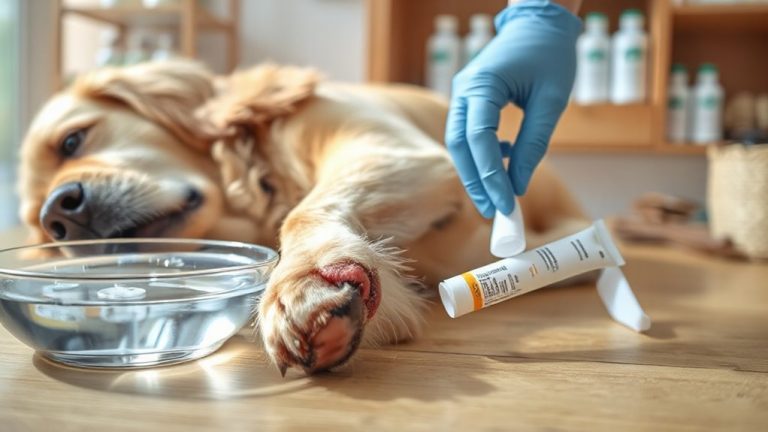
What if your dog’s incessant scratching isn’t just a grooming issue but a sign of underlying skin distress? You need shampoo that offers medicated relief and targets specific dermatological conditions. Antipruritic shampoos with 2% chlorhexidine or 3% ketoconazole reduce microbial load, decreasing inflammation and itch cycles. For allergic dermatitis, choose formulas with hydrocortisone or pramoxine-these deliver fast, temporary relief. Allergy support shampoos often include oatmeal, ceramides, and phytosphingosine to restore the lipid barrier, reducing transdermal allergen penetration. Use twice weekly for two weeks, then once weekly as maintenance. pH-balanced to canine skin (6.2–7.5), these shampoos prevent over-drying. Avoid high-alkaline products, which worsen irritation. Look for vet-recommended brands clinically tested for efficacy. Medicated relief isn’t optional-it’s essential for breaking the itch-scratch cycle. Always consult your vet to confirm diagnosis and treatment suitability. Top picks for itchy skin include formulas with proven oatmeal-based soothing.
Use Gentle Shampoos for Sensitive Dog Skin
A gentle shampoo is essential when your dog has sensitive skin, helping to cleanse without disrupting the delicate acid mantle. Look for hypoallergenic formulas, specifically designed to minimize adverse reactions in dogs prone to skin irritations. These shampoos avoid harsh surfactants like sodium lauryl sulfate, instead using mild, pH-balanced cleansers (typically pH 5.5–7.5) compatible with canine skin. Dogs with fragrance sensitivity react poorly to artificial perfumes, which can trigger inflammation or allergic responses; choose fragrance-free or naturally scented variants with essential oils at safe dilutions (≤0.5%). Hypoallergenic formulas often include oatmeal or aloe vera to soothe and protect the skin barrier. Clinical studies show that regular use reduces transepidermal water loss by up to 30%, improving skin resilience. Rinse thoroughly-residual shampoo can cause irritation even with gentle products. Always perform a patch test before full use. For dogs with persistent itching, consider a medicated formula recommended for best dog shampoos for itchy skin.
Best Dog Shampoos for Double Coats and Shedding
Your double-coated dog’s undercoat traps loose hair and dander, making regular bathing critical for managing shedding. Use shampoos formulated to support coat conditioning and minimize excess fur loss. Look for ingredients like omega-3 fatty acids, aloe vera, and colloidal oatmeal; they nourish the skin and loosen dead undercoat hair. These components improve coat resilience and reduce matting by up to 40% with consistent use. Pair washing with deshedding tools like the FURminator or SleekEZ for best results. These tools remove 90% of loosened undercoat hair within 10–15 minutes post-bath. Avoid frequent bathing-once every 4–6 weeks is sufficient-to preserve natural oils. Select sulfate-free, pH-balanced shampoos (pH 6.2–7.5) to prevent skin irritation. Proper product selection and grooming frequency enhance coat conditioning efficiency, reduce household shedding, and maintain your dog’s thermal regulation.
Pick the Right Shampoo for Puppies and Senior Dogs
Why do puppies and senior dogs require specially formulated shampoos? Puppies have delicate skin with underdeveloped lipid barriers, demanding gentle cleansing and consistent puppy hydration. Standard shampoos can strip natural oils, causing dryness or irritation. Opt for pH-balanced formulas around 6.5 to 7.0, with added moisturizers like oatmeal or aloe vera to support skin integrity. For senior dogs, reduced sebaceous gland activity necessitates senior soothing properties. Look for emollients such as shea butter and ceramides that restore moisture and improve skin elasticity. Shampoos containing hydrolyzed proteins help repair aged coat structure. Avoid high-alcohol or strong surfactant bases, which exacerbate flakiness. Instead, select sulfate-free, soap-free cleansers with mild coconut-derived surfactants. These maintain skin barrier function without compromising cleanliness. Proper selection supports dermal health across life stages, reducing the risk of dermatological issues and improving coat resilience.
Skip Harmful Ingredients in Dog Shampoo
How often do you check the ingredient list on your dog’s shampoo? You should always look for sulfate free formulas. Sulfates, like sodium lauryl sulfate, strip natural oils, causing dry skin and coat damage. They create excessive foam but offer no cleaning benefits for pets. Instead, choose shampoos with mild, plant-based surfactants. Parabens avoidance is equally critical. Parabens-methylparaben, propylparaben-inhibit microbial growth in products but mimic estrogen and may disrupt endocrine function. Studies link prolonged exposure to hormonal imbalances in mammals. Veterinary dermatologists recommend paraben-free and sulfate free shampoos for dogs with sensitive skin or allergies. Opt for preservatives like phenoxyethanol or natural alternatives such as rosemary extract. Always verify labels: “paraben free” and “sulfate free” must appear clearly. A 2021 FDA review found 73% of hypoallergenic dog shampoos still contained hidden sulfates or parabens. Read every ingredient. Your dog’s health depends on it.
On a final note
Choose the right shampoo by identifying your dog’s coat type and skin condition. Shampoos with pH levels between 6.2 and 7.5 match canine skin acidity, reducing irritation. For double-coated breeds, opt for de-shedding formulas containing omega fatty acids to support coat health. Avoid parabens, sulfates, and artificial fragrances. Puppies and seniors benefit from tear-free, hypoallergenic solutions with oatmeal or aloe vera. Always follow label dilution ratios-typically 10:1 water-to-shampoo-for maximum effectiveness.