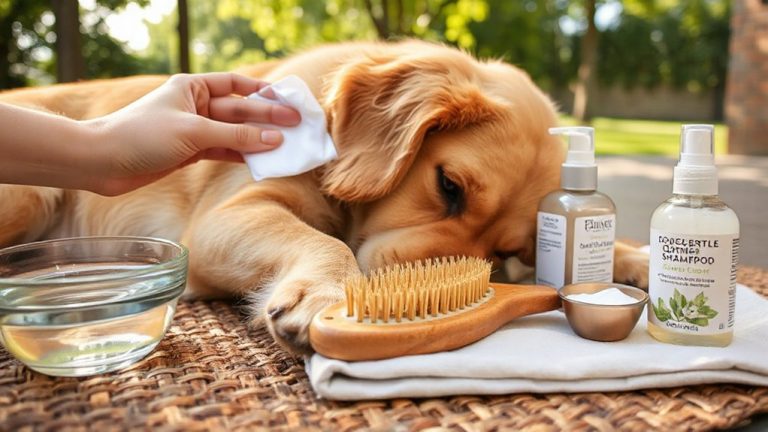
Breed-Specific Skin Care: Tailored Solutions for Unique Pet Coats
Your dog’s breed shapes their skin health and grooming needs. Breeds like Bulldogs and Shar-Peis need daily fold cleaning to prevent moisture buildup and infection. Labrador Retrievers and West Highland White Terriers often develop atopic dermatitis, requiring omega-3 supplements (1,000 mg EPA/DHA per 20 lbs) to reduce inflammation. Double-coated breeds need moisturizing shampoos with ceramides; avoid high-pH products, as canine skin ranges from 6.2 to 7.5. Chlorhexidine wipes cut infection risk by 68% in wrinkle-prone dogs. Choosing the right coat-specific care keeps barriers strong and reduces disease-discover how tailored routines match coat types and genetics for maximum protection.
Notable Insights
- Genetic predispositions in breeds like Labradors and Bulldogs increase risks for atopic and fold dermatitis.
- Double-coated breeds require deep hydration to maintain skin health beneath thick undercoats.
- Wire-haired terriers benefit from regular exfoliation to prevent clogged pores and folliculitis.
- Breed-specific grooming, such as daily brushing for long coats, prevents matting and skin irritation.
- Species-specific, pH-balanced shampoos with ceramides support skin barrier integrity across coat types.
How Your Dog’s Breed Affects Their Skin
Genetics shape your dog’s skin as much as their coat color or body size. Certain breeds carry a higher allergy predisposition due to inherited immune responses. For example, Labrador Retrievers and West Highland White Terriers commonly develop atopic dermatitis, an inflammatory condition linked to genetic conditions like filaggrin mutations. These mutations compromise the skin barrier, increasing transepidermal water loss by up to 30%. Short-faced breeds such as Bulldogs and Pugs have conformational wrinkles that trap moisture, raising infection risk. Seborrhea, often hereditary in Cocker Spaniels, disrupts keratinization, leading to flaky, oily skin. Your dog’s breed determines epidermal thickness, sebum composition, and microbiome balance. Shar-Peis, bred for excessive skin folds, exhibit elevated IL-4 levels, promoting inflammation. Identifying these hereditary factors allows for early intervention. Genetic screening panels now test for over 250 dermatological markers, enabling targeted care before symptoms arise.
Skin and Coat Types: What Your Breed Needs
Coat type determines your dog’s skin care needs more than you might think. Dogs with double coats, like Huskies, require consistent skin hydration to prevent dryness beneath dense guard hairs and undercoats. Single-coated breeds, such as Greyhounds, have minimal shedding but thinner fur, increasing susceptibility to moisture loss. Wire-haired breeds, including Terriers, need exfoliating treatments to prevent pore blockage and maintain follicle health. Coat nutrition plays a critical role-omega-3 and omega-6 fatty acids in ratios of 5:1 to 10:1 support lipid barrier integrity. Ideal coat nutrition includes at least 2.5% linoleic acid in the diet for epidermal strength. For skin hydration, use leave-on conditioners with 2–5% glycerin or hyaluronic acid. These humectants attract water, maintaining stratum corneum moisture at peak 15–20% levels. Matching care to coat structure enhances dermal resilience and sheen without over-treatment. For persistent itching, consider using a best dog shampoo for itchy skin formulated with soothing ingredients like oatmeal and aloe vera.
Common Skin Problems by Breed (And How to Prevent Them)
You’re more likely to spot flaky skin or hot spots if you know what your dog’s breed is prone to. Bulldogs and Shar-Peis often develop skin fold dermatitis due to trapped moisture, requiring daily cleaning and thorough drying. Regular use of chlorhexidine wipes reduces infection risk by up to 68%. Poodles and terriers commonly suffer from atopic dermatitis, making allergies management essential. Omega-3 fatty acid supplements, dosed at 1,000 mg EPA/DHA per 20 lbs of body weight, can decrease inflammatory responses. For breeds like German Shepherds prone to sebaceous adenitis, monthly antiseborrheic shampoos with 2% miconazole maintain follicle health. Infection prevention hinges on early detection and consistent barrier protection. Dachshunds and retrievers benefit from hypoallergenic sprays with ceramides to reinforce the lipid barrier. Genetic predispositions demand proactive monitoring, targeted cleansing, and veterinary-recommended regimens tailored to breed-specific vulnerabilities. Choosing the right hypoallergenic dog shampoos can significantly reduce irritation for dogs with sensitive skin.
Grooming Long, Short & Curly Coats for Skin Health
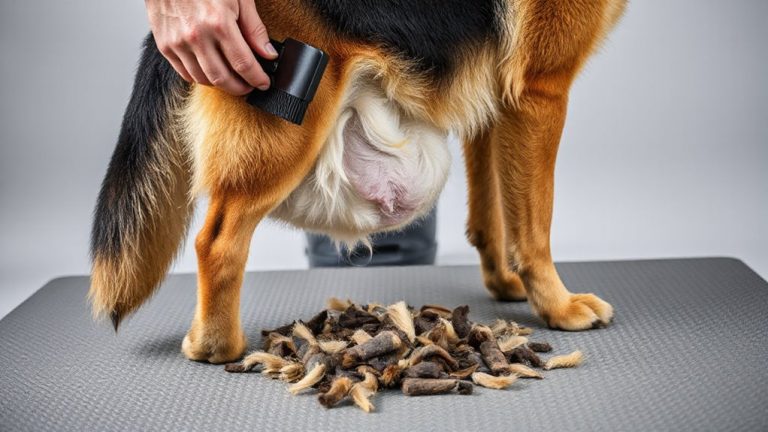
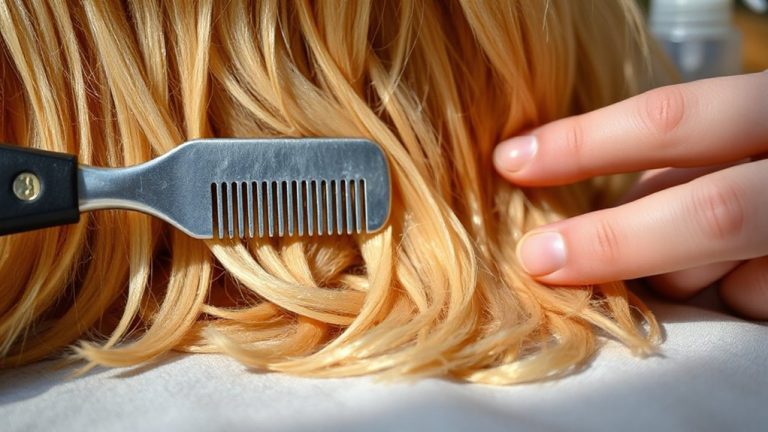
While coat schem impacts grooming frequency and technique, proper maintenance directly impacts skin health by preventing debris accumulation and supporting natural oil distribution. For long coats like those on Afghan Hounds, daily brushing frequency removes tangles and redistributes sebum from base to tip. Use a slicker brush followed by a metal comb to reach the undercoat. Short-coated breeds such as Beagles need weekly brushing to lift dead hair and minimize dust buildup. A rubber curry brush works well for loosening debris without irritating the skin. Curly coats, like Poodles’, require brushing every other day to prevent matting at skin level. Employ a pin brush with rounded tips to avoid micro-abrasions. Use gentle bathing techniques: bathe only when necessary, with lukewarm water and thorough rinsing to prevent residue. Poor technique disrupts pH balance and strips essential lipids, compromising the skin barrier. A best brush for short-haired dogs can significantly improve coat and skin condition by effectively removing loose fur and distributing natural oils.
Shampoos & Conditioners for Your Dog’s Coat Type
Your dog’s coat type determines the most effective shampoo and conditioner formulation for maintaining skin integrity and coat resilience. Dogs have a skin pH balance of 6.2 to 7.5, so using products formulated for human pH (5.5) can disrupt protective barriers. Always choose shampoos calibrated to your pet’s natural pH. For oily coats, use degreasing shampoos with surfactants like sodium lauryl sulfate at 5–10% concentration. Dry or sensitive skin benefits from moisturizing conditioners containing ceramides and fatty acids. Coat texture also matters: fine coats need lightweight, non-residue formulas; thick or double coats require deep-penetrating emulsions. Avoid overuse of scented formulas, as artificial fragrances may trigger irritation. Instead, opt for hypoallergenic or essential oil-based variants in diluted concentrations (0.1–0.5%). Rinse thoroughly to prevent residue buildup, which compromises skin function. Choose veterinarian-recommended brands with proven dermatological profiles for best results.
On a final note
Your dog’s breed directly influences their skin and coat needs. Genetic traits determine sebum production, hair follicle density, and skin thickness. For example, Bulldogs have higher sebum levels, requiring medicated shampoos with 3% chlorhexidine. Poodles need hypoallergenic conditioners to prevent follicular keratosis. Always match grooming products to your dog’s specific coat type and skin pH, typically between 6.2 and 7.5, to maintain barrier function and prevent irritation.