Breed-Specific Grooming Needs for Optimal Pet Care and Maintenance
Your dog’s breed shapes its grooming needs due to genetic factors like coat texture and shedding patterns. Short-haired dogs need weekly brushing with a rubber curry to remove loose hair. Double-coated breeds require undercoat raking every 2–3 weeks during seasonal sheds using a 3–5 mm tine tool. Long, curly coats demand brushing every two to three days with a slicker brush to prevent mats. Bath every 4–6 weeks with pH-balanced shampoo. Clean ears every 4–6 weeks, trim nails every 3–4, and brush teeth daily. Proper tools and timing keep your dog healthy-details on each step follow.
Notable Insights
- Short-haired dogs need weekly brushing with a rubber curry or slicker brush to manage shedding and skin oils.
- Double-coated breeds require seasonal undercoat raking with curved-tine tools to support natural insulation and shedding cycles.
- Long and curly coats must be brushed every two to three days to prevent mats, especially behind ears and under legs.
- Breeds with floppy or hairy ears need plucking every 4–6 weeks to reduce moisture and prevent bacterial or yeast infections.
- Regular nail trims every 3–4 weeks and daily dental care help prevent joint stress and maintain overall health in all breeds.
Why Breed Determines Your Dog’s Grooming Needs
Genetics shape every aspect of your dog’s coat, from texture to shedding patterns, and directly influence grooming requirements. Coat texture is determined by specific gene variants, such as *KRT71* for curl and *FGF5* for length, which dictate whether your dog has straight, wavy, or tightly curled fur. These traits affect friction levels, matting potential, and oil retention, directly impacting brush selection and grooming frequency. Climate adaptation also plays a role-double-coated breeds like Huskies possess dense undercoats for insulation, shedding seasonally in response to photoperiod changes. In contrast, thin-coated breeds like Greyhounds lack undercoats, offering minimal protection in cold environments. Your dog’s breed reflects evolutionary adaptations, including sweat gland distribution and sebaceous activity, influencing bathing needs. Grooming isn’t just cosmetic-it’s physiological maintenance. Understanding these genetic and environmental factors allows precise care plans, improving skin health, reducing allergens, and preventing dermatological issues through science-based routines tailored to your dog’s biology.
Short-Haired Dogs: Simple Grooming, But Not Zero Effort
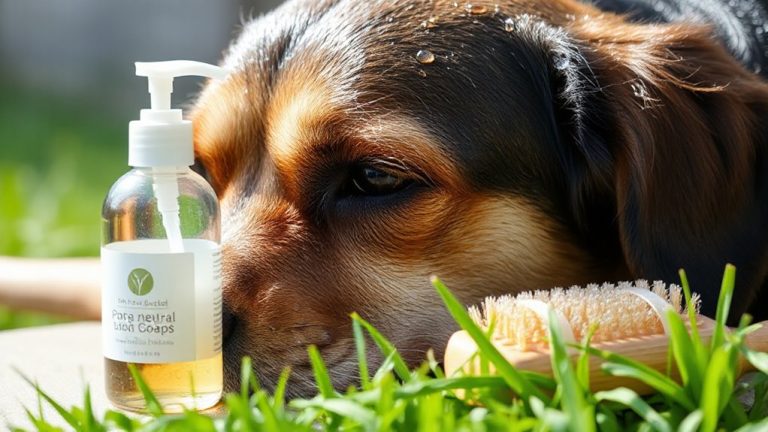
Short-haired dogs may look low-maintenance, but their grooming needs go beyond a quick rub with a towel. Brushing frequency should be weekly using a rubber curry brush or fine-bristled slicker brush to remove dead hair and distribute skin oils. This improves coat shine and reduces household dust. Most short-haired breeds benefit from bathing every 4 to 6 weeks. Use pH-balanced canine shampoo as bathing essentials-human products disrupt skin barriers. For oily coats, a degreasing shampoo with mild surfactants like sodium lauryl sulfate (2–3% concentration) works effectively. Rinse thoroughly with lukewarm water (98–102°F) to prevent residue buildup. Towel-dry immediately, then use a cool-air blower to eliminate moisture trapped near the skin. Ear cleaning and nail trims should accompany each grooming session. Consistent routines prevent dermatological issues and allow early detection of skin abnormalities.
Double-Coated Breeds: How To Manage Heavy Shedding
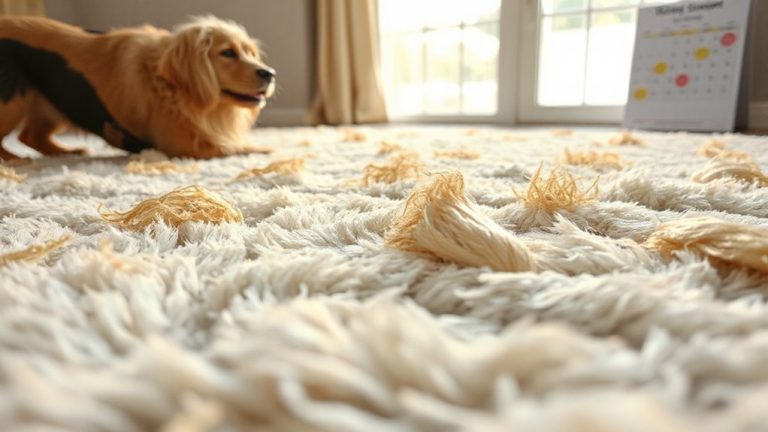
When seasons change, your double-coated dog’s undercoat responds with intense shedding cycles that demand proactive management. Shedding seasons typically occur twice yearly, during spring and fall, when temperature shifts trigger undercoat loss. You’ll need a dedicated undercoat raking tool with curved, bent tines spaced 3–5 mm apart to penetrate the dense undercoat without damaging the topcoat. Use firm, short strokes parallel to the skin, working in 2-inch sections. Remove loose undercoat until only anchored hairs remain. Rake 2–3 times weekly during shedding seasons; weekly the rest of the year. Most double-coated breeds, like Siberian Huskies or Samoyeds, have a 0.5–1.5-inch undercoat density of 500–1,000 hairs per square inch. Avoid clipping; it disrupts insulation. Proper undercoat raking reduces shedding volume by up to 80% and maintains thermal regulation.
Long And Curly Coats: Preventing Mats And Daily Care
Long and curly coats require consistent maintenance to prevent matting, a challenge distinct from the seasonal shedding of double-coated breeds. You should brush every two to three days using appropriate brush types like slicker brushes and metal combs. A slicker brush with fine, closely spaced wires penetrates dense curls effectively. For thicker mats, a dematting comb with rotating teeth reduces hair breakage. Detangling techniques must begin at the skin and work outward to prevent pulling. Start with short strokes, gradually increasing length as tangles loosen. Apply a leave-in detangler spray to reduce friction and static. Most mats form behind ears, under legs, and around collars-check these zones daily. Using the right tools and consistent detangling techniques prevents skin irritation and maintains coat health. Professional grooming every six to eight weeks complements home care. A quality dematting tool can make removing tough mats safer and more efficient.
Beyond The Coat: Breed-Specific Ear, Nail, And Dental Care
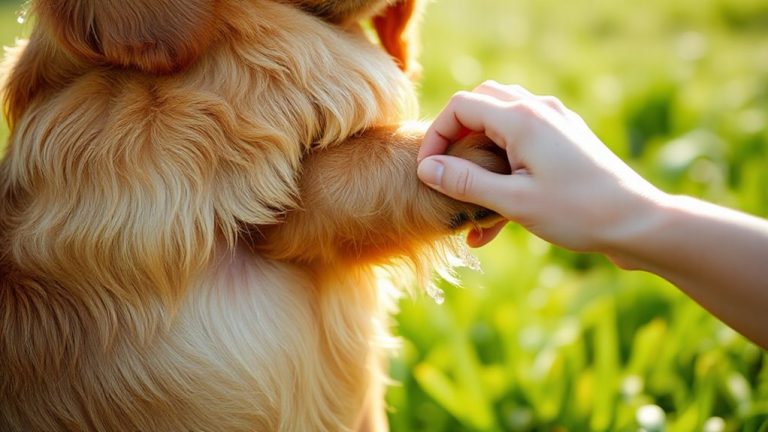
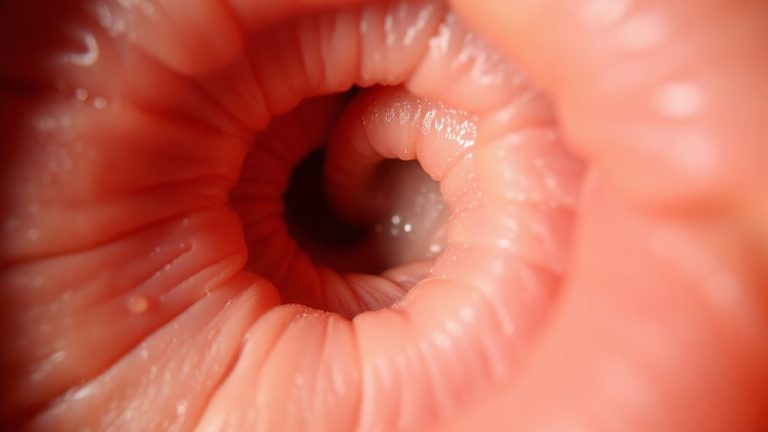
Why do some breeds need more frequent ear cleaning than others? Dogs with floppy ears or excessive ear hair, like Cocker Spaniels or Poodles, trap moisture, creating ideal conditions for bacterial growth. Regular ear pitched cleaning prevents infections by removing debris and wax buildup. Ear plucking, the removal of hair from the ear canal, improves air circulation and is essential for breeds with hypertrichosis in the external auditory canal. Perform it gently every 4–6 weeks. Nail trimming should occur every 3–4 weeks to prevent overgrowth, which can alter gait and cause joint stress. Use guillotine or scissor-style clippers; avoid the quick, located within the pink tissue in light nails. For dental care, brush teeth daily with veterinary-approved toothpaste. Small breeds, such as Yorkshire Terriers, are prone to periodontal disease; use a soft-bristled brush at a 45-degree angle to the gumline. When infections do occur, consider using an effective OTC dog ear infection remedy that soothes inflammation and supports healing.
On a final note
Your dog’s breed directly influences its grooming requirements. Short-haired breeds need weekly brushing with a rubber curry brush to remove loose hair. Double-coated dogs require seasonal de-shedding using an undercoat rake, reducing shedding by up to 90%. Long or curly coats demand daily combing with a wide-toothed comb and professional clipping every 4–6 weeks. Clean ears weekly with a vet-approved solution, trim nails monthly to avoid overgrowth, and brush teeth daily using enzymatic pet toothpaste for best health.