Exploring Shedding Patterns: A Comprehensive Guide for Dog Owners
Your dog sheds due to genetic and hormonal factors, especially seasonal changes in daylight affecting melatonin and prolactin. Double-coated breeds like Huskies shed up to 90% of their undercoat in spring and fall. Coat type, diet with at least 22% animal-based protein, and omega fatty acids influence shedding. Regular brushing with tools like the 1.5-inch FURminator reduces loose hair. Abnormal loss may signal infections or thyroid issues. You’ll find more on breed-specific patterns and care solutions ahead.
Notable Insights
- Shedding is a natural process influenced by genetics, with breed determining coat type and shedding intensity.
- Double-coated breeds shed heavily during seasonal changes due to synchronized follicle cycles in spring and fall.
- Nutritional deficiencies in protein, omega-3, and omega-6 fatty acids can lead to excessive hair loss.
- Sudden or patchy shedding may signal health issues like infections, parasites, or hormonal imbalances.
- Regular grooming with proper tools like the FURminator can reduce shedding by up to 90% when matched to coat type.
Why Is My Dog Shedding?
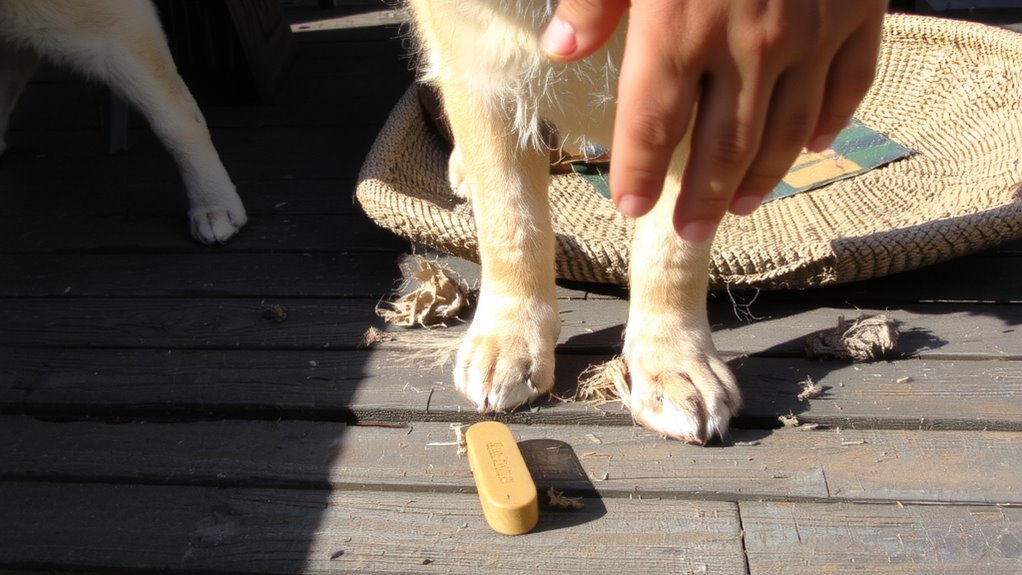
Why does your dog shed so much? Shedding is a natural process influenced primarily by genetic predisposition. Your dog’s breed determines the structure and growth cycle of their coat, including duration of the anagen (growth) phase, which dictates shedding frequency. Dogs with double coats typically shed more due to seasonal follicle synchronization. Additionally, dietary influences play a measurable role. Inadequate intake of omega-3 and omega-6 fatty acids disrupts keratin formation, weakening hair shafts and increasing fallout. A deficiency in protein-below 18% for adults-compromises coat integrity. High-quality diets providing 22–26% protein from animal sources support peak follicle function. Micronutrients like biotin and zinc regulate sebum production, reducing breakage. Environmental stressors and hormonal imbalances can exacerbate shedding, but these factors are secondary to genetics and nutrition. You can’t change your dog’s DNA, but adjusting their diet may reduce excessive shedding by up to 40% over 8–12 weeks. Regular use of an effective deshedding tool can significantly reduce loose fur and improve coat health.
Low-Shedding vs. Heavy-Shedding Dog Breeds
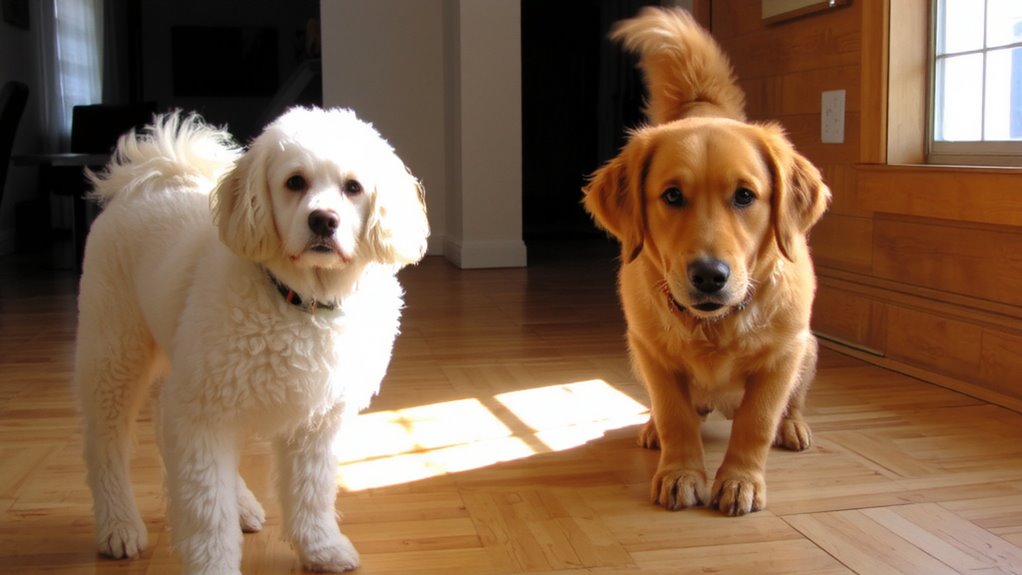
How your dog sheds largely comes down to breed-specific genetics, not random chance. Coat texture and breed genetics directly influence shedding levels. Dogs with single coats and curly fur often shed less, while double-coated breeds typically shed heavily. Below is a brief comparison:
| Breed | Shedding Level | Coat Texture |
|---|---|---|
| Poodle | Low | Curly, dense |
| German Shepherd | High | Double coat, thick |
| Shih Tzu | Low to Moderate | Long, silky, single |
Low-shedding breeds usually have hair-like coats that grow continuously, similar to human hair. Heavy-shedding breeds undergo constant undercoat loss, requiring more frequent grooming. Understanding your dog’s coat texture helps predict maintenance needs. Breed genetics determine both coat type and shedding patterns, allowing informed decisions for owners sensitive to allergens or excessive fur.
How Seasonal Changes Affect Shedding
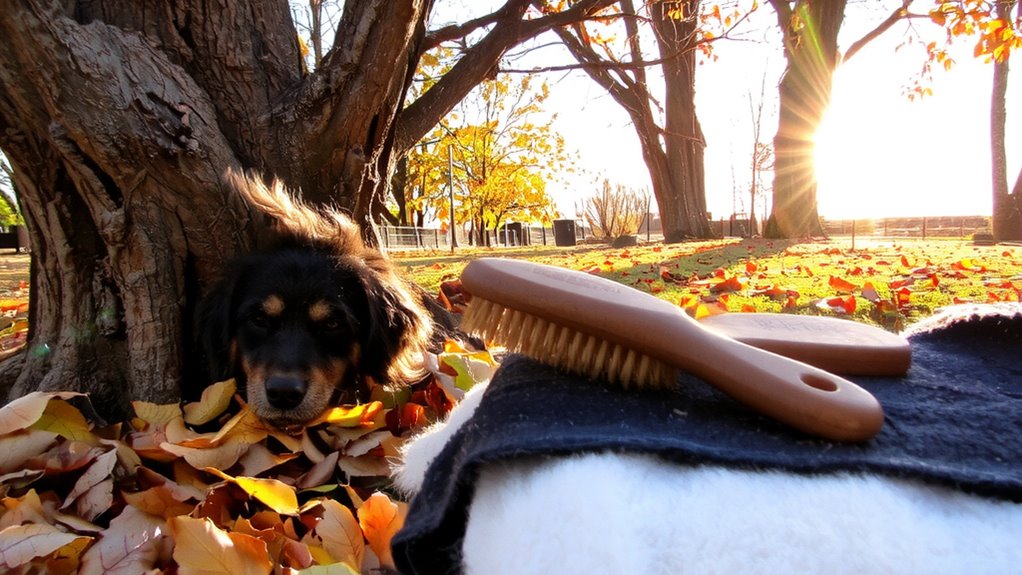
Seasonal changes play a significant role in your dog’s shedding cycle, influencing when and how much fur they lose throughout the year. Daylight length is a primary environmental cue that regulates your dog’s coat growth cycles through hormonal responses. As days shorten in fall and lengthen in spring, melatonin and prolactin levels shift, triggering undercoat loss or development. Most dogs shed heavily in spring to reduce insulation for warmer months and again in fall to prepare for winter. This pattern is most pronounced in double-coated breeds like Huskies and Shepherds. Seasonal allergies can exacerbate shedding by irritating the skin and disrupting normal hair follicle function. Pollen, mold, and dust mites increase during seasonal shifts, potentially leading to excessive scratching and fur loss. While allergies don’t cause the cycle itself, they can intensify visible shedding. Managing allergens and using deshedding tools during peak periods helps maintain coat health without altering natural physiological responses. A balanced diet featuring best dog foods to reduce shedding can also support coat health and minimize excessive fur loss.
When Shedding Signals a Health Problem
Could your dog’s shedding indicate something more serious? Excessive shedding can signal underlying health issues beyond normal seasonal cycles. Sudden, patchy hair loss often correlates with nutritional deficiencies, particularly in essential fatty acids, zinc, or protein intake. Without these, the coat weakens, leading to increased breakage and dullness. Skin infections, bacterial or fungal, also trigger abnormal shedding. Look for redness, odor, or crusting-common signs linked to organisms like *Malassezia* or *Staphylococcus*. These disrupt the hair follicle cycle, causing localized alopecia. Thyroid imbalances or parasitic infestations like mange produce similar effects. Unlike typical shedding, health-related loss isn’t symmetrical and often accompanies behavioral changes. Early veterinary evaluation, including blood panels and skin scrapings, can confirm causes. Addressing root issues-correcting diet or treating infections-halts progression. Monitoring your dog’s coat helps catch problems before they escalate.
Best Grooming Tools to Reduce Dog Shedding
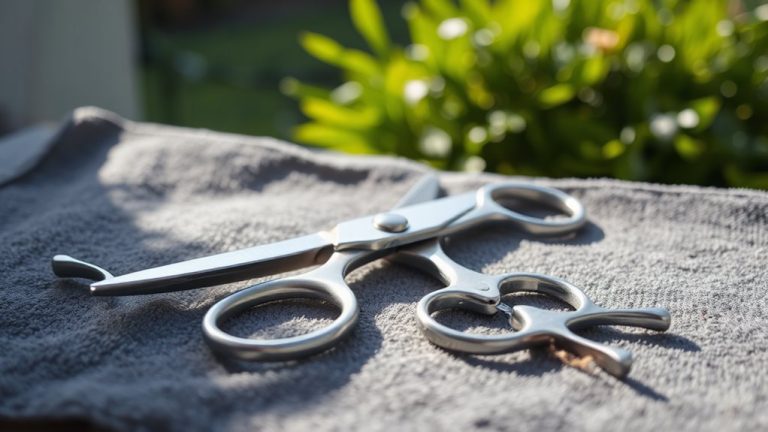
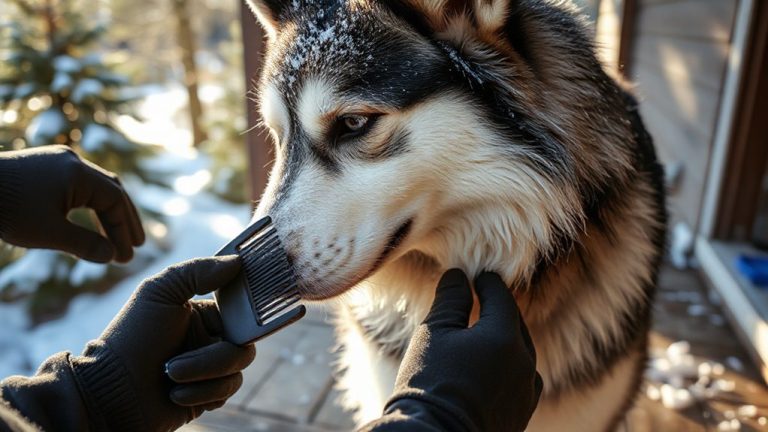
A high-quality deshedding tool is essential for minimizing loose fur and maintaining coat health in shedding-prone dogs. Tools like the FURminator feature an ultra-sharp stainless-steel edge that reaches under the topcoat to remove the undercoat without damaging hair. Its edge extends 1.5 inches wide, reducing shedding by up to 90% with regular use. You should match brushing frequency to your dog’s coat type-short-haired breeds need weekly sessions; double-coated breeds require brushing 2–3 times weekly during peak shedding. Slicker brushes work well for curly coats, while rubber curry brushes suit smooth-coated dogs. Pair tool use with deshedding shampoos containing omega-3 and omega-6 fatty acids to loosen dead hair and nourish follicles. These shampoos improve coat resilience and reduce breakage. Consistent grooming with proper tools and products guarantees effective, long-term shedding control. For best results, consider one of the top picks based on expert evaluations and user feedback.
On a final note
You now understand the causes and patterns of dog shedding. Seasonal light cycles and genetics directly influence coat loss. Low-shedding breeds like Poodles have continuously growing hair with minimal undercoat. Heavy shedders, such as Huskies, possess dense double coats designed for insulation, shedding markedly during spring and fall. Regular grooming with de-shedding tools like the Furminator, which penetrates the undercoat to remove loose hair, reduces shedding by up to 90%.