The Role of Diet in Promoting Healthy Skin and Coat in Pets
Your pet’s coat reflects their diet. Poor nutrition causes dull fur, shedding, and flaky skin due to deficiencies in protein, omega-3s, and vitamins A and E. Omega-3s from fish oil (EPA/DHA) reduce inflammation and improve coat shine in 4–8 weeks. High-biological-value protein (25–35%) supports keratin production. Vitamins A and E protect skin lipids; zinc (120–180 mg/kg) aids repair. Chelated minerals enhance absorption. Balanced nutrients sustain coat gloss, skin elasticity, and barrier function over time-discover how specific formulations optimize these benefits.
Notable Insights
- Proper nutrition supports skin integrity and coat health by providing essential fatty acids, vitamins, and amino acids.
- Omega-3 and omega-6 fatty acids maintain skin moisture and reduce inflammation, improving coat shine and reducing shedding.
- High-quality animal-based proteins supply methionine and cysteine needed for strong, healthy fur growth.
- Vitamins A and E regulate skin cell turnover, protect against oxidative damage, and support a resilient skin barrier.
- Zinc, biotin, and selenium are critical minerals that promote cell regeneration, reduce flakiness, and support overall dermal health.
Signs of Poor Nutrition for Pet Skin and Coat
Dullness, excessive shedding, and flaky skin-these are the early warnings your pet’s body sends when nutrition falls short. A dull coat is often the first visible sign of nutrient deficiency. Without adequate protein and essential fatty acids, hair follicles weaken, leading to dry, lifeless fur. Excessive shedding goes beyond seasonal changes; it indicates internal imbalances. Healthy pets shed minimally, losing approximately 10–20 hairs per day depending on breed and coat type. When shedding doubles or triples, nutritional deficits are likely. Micronutrient shortfalls-especially in zinc, biotin, and vitamins A and E-disrupt skin cell turnover. The stratum corneum thickens, causing flaking reminiscent of dandruff. Poor diet reduces sebum production, compromising the skin’s lipid barrier. This increases transepidermal water loss by up to 40%, exacerbating dryness. Address these symptoms early-optimal nutrition restores coat luster and reduces shedding within 4–6 weeks.
Omega-3 and Omega-6 for a Healthy Pet Coat
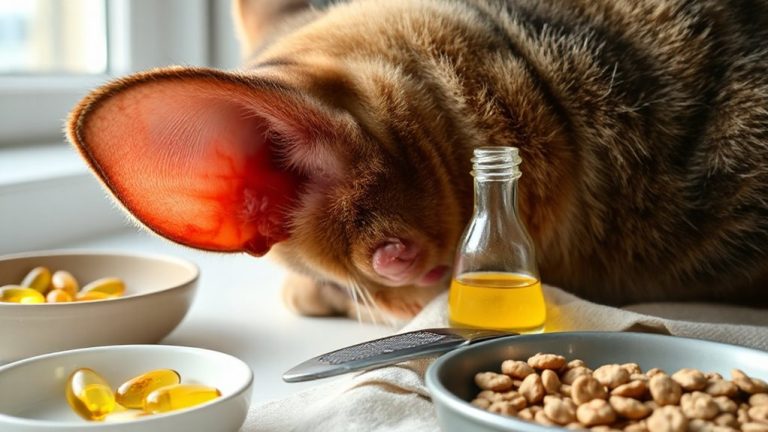
Essential fatty acids are the backbone of a vibrant, resilient pet coat-and omega-3 and omega-6 fats play starring roles. You’ll find omega-3s primarily in fish oils, which deliver EPA and DHA-critical for reducing skin inflammation and supporting lipid barrier integrity. Fish oils typically provide a 6:1 to 10:1 omega-6 to omega-3 ratio, ideal for modulating immune response. Omega-6 fatty acids, like linoleic acid, maintain cell membrane fluidity and are abundant in poultry fat and vegetable oils. Together, they regulate sebum production and prevent dry, flaky skin. You can also leverage flaxseed benefits; it’s rich in ALA, a plant-based omega-3. But pets convert ALA inefficiently-dogs at less than 15%, cats even lower. That makes pre-formed EPA and DHA from fish oils more effective. Balancing both fatty acids enhances coat shine, reduces shedding, and strengthens dermal resilience over 4–8 weeks of consistent intake. For optimal results, consider choosing from the best omega supplements for pets, which are specifically formulated to deliver these essential fatty acids in the most bioavailable forms.
Protein’s Role in Fur and Skin Strength
Fur isn’t just fluff-it’s protein in its most visible form. You need to supply your pet with high-quality dietary protein to support strong fur and resilient skin. Proteins are made of amino acids, the building blocks required for tissue repair and growth. Essential amino acids like methionine and cysteine directly fuel keratin production, the structural protein in hair and skin. Without adequate intake, fur becomes brittle and thin. Diets containing at least 25–30% high-biological-value protein for dogs, and 30–35% for cats, optimize amino acid availability. Animal-based proteins-chicken, fish, eggs-offer complete amino acid profiles. These sources enhance keratin production more effectively than plant proteins. Consistent intake supports continuous hair follicle function and skin cell turnover. You’ll notice improved coat tensile strength and reduced shedding within weeks of proper protein nutrition. Top-rated protein supplements for pets can help bridge nutritional gaps in homemade or limited-ingredient diets.
Vitamins A and E for Skin Protection
Your pet’s skin and coat health depend on more than just protein-you need antioxidant protection to maintain long-term resilience. Vitamins A and E provide essential antioxidant support, neutralizing free radicals that damage skin cells. Vitamin A regulates keratinization, preventing dry, flaky skin, and supports sebum production for natural moisture. Vitamin E, particularly alpha-tocopherol, protects lipid layers in cell membranes, enhancing cellular hydration. Together, they reduce oxidative stress caused by UV exposure and environmental pollutants. Daily intake of 20–40 IU/kg vitamin E and 1,500–5,000 IU/kg vitamin A meets AAFCO guidelines for dogs and cats. Deficiencies lead to dull coats and increased skin permeability. These vitamins work synergistically-without them, even high-protein diets fail to deliver peak skin integrity. Consistent supplementation guarantees resilient dermal structure and a glossy, healthy coat. Top-rated omega supplements for pets often combine these vitamins with essential fatty acids for optimal skin and coat benefits.
Zinc and Minerals for Skin Repair
Skin repair starts with the right mineral balance, and zinc sits at the center of that process. You must guarantee your pet’s diet includes bioavailable zinc for effective tissue regeneration. Zinc supports cell division, collagen synthesis, and immune function-critical for healing damaged skin. A zinc deficiency can lead to delayed wound healing, dermatitis, and weakened skin integrity. This condition often arises from poor diet or impaired mineral absorption due to digestive disorders or phytate-rich fillers in low-quality foods. Maximum zinc levels range between 120–180 mg/kg in dry pet food, as established by AAFCO standards. Chelated zinc supplements enhance mineral absorption by protecting the ion from binding with inhibitors in the gut. Other trace minerals like copper and selenium also play synergistic roles, but excess amounts can interfere with zinc uptake. Always maintain a balanced ratio. Proper mineral delivery strengthens skin structure and accelerates repair-much like quality mortar stabilizes a brick wall.
How Diet Affects Your Pet’s Coat Shine
A glossy coat often reflects what’s happening beneath the surface, where nutrition directly influences keratin structure and lipid distribution. Your pet’s coat texture depends on consistent intake of essential fatty acids, which support cell membrane integrity and光泽. Poor oil balance disrupts sebum production, leading to dull, brittle fur. Diets deficient in linoleic acid reduce epidermal cohesion, increasing flakiness. Ideal dermal lipid composition enhances light reflection, creating visible shine.
| Nutrient | Effect on Coat Shine |
|---|---|
| Omega-6 fatty acids | Maintains oil balance, improves coat texture |
| Vitamin A | Regulates sebaceous gland activity |
| Protein quality | Supports keratin formation and strength |
Balanced nutrition guarantees structural uniformity in hair shafts. You’ll notice improved luster within weeks of dietary correction. Consistency in feeding quality ingredients directly correlates to sustained gloss and resilience in fur.
Essential Nutrients for Shiny Pet Skin and Fur
You can’t see it, but beneath your pet’s fur, a biochemical foundation determines how healthy their coat looks. Essential fatty acids like omega-3 and omega-6 maintain cell membrane integrity, reducing transepidermal water loss by up to 30%. These lipids support a resilient skin barrier and promote fur shine. Coconut oil, rich in medium-chain triglycerides (MCTs), enhances lipid content in hair follicles, reducing flakiness and improving coat sheen within 6–8 weeks of daily supplementation at 1 tsp per 10 lbs of body weight. Vitamin A regulates keratinocyte differentiation, preventing follicular hyperkeratosis. Biotin, at 150 mcg/kg diet, strengthens keratin structure. Probiotic balance in the gut influences nutrient absorption and modulates systemic inflammation; a stable microbiome can reduce skin allergens by 40%. Zinc and copper act as enzyme cofactors in melanin production and collagen synthesis. A precise nutrient profile guarantees dermal health and sustained coat luster.
On a final note
You must provide essential nutrients to support your pet’s skin and coat health. Omega-3 fatty acids, like EPA and DHA from fish oil, reduce inflammation and enhance coat shine at doses of 20–50 mg/kg EPA daily. Omega-6 linoleic acid maintains the skin barrier. Protein supplies amino acids for keratin. Vitamins A and E neutralize free radicals. Zinc aids epidermal regeneration. Deficiencies directly impair coat texture and skin integrity.