Shedding Insights: Uncovering Common Causes of Excessive Shedding in Pets
Your pet’s excessive shedding could signal an underlying issue. Seasonal changes often increase shedding by up to 30% in spring and fall due to shifting daylight. Persistent hair loss may stem from hormonal imbalances like hypothyroidism, diagnosed through blood tests. Nutritional gaps in protein, omega-3s, or biotin weaken hair follicles. Stress elevates cortisol, pushing hair into the resting phase. Skin infections or allergies can also disrupt the growth cycle. You’ll find clear solutions just ahead.
Notable Insights
- Seasonal shedding increases in spring and fall due to daylight changes, but persistent hair loss may signal an underlying issue.
- Hormonal imbalances like hypothyroidism or hyperadrenocorticism can cause symmetrical hair loss and thinning coats in pets.
- Nutritional deficiencies in protein, fatty acids, or biotin weaken hair follicles and lead to excessive shedding.
- Stress from environmental changes or anxiety elevates cortisol, pushing hair follicles into shedding phase prematurely.
- Skin infections, allergies, or parasites trigger inflammation and hair loss, requiring veterinary diagnosis and treatment.
Is Your Pet Shedding Too Much? Key Signs
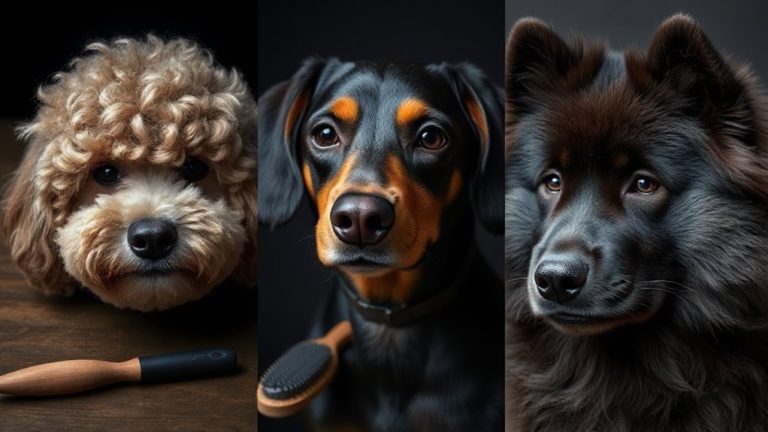
Why does your pet seem to be leaving clumps of fur everywhere? Excessive shedding can signal underlying issues, even if your pet appears healthy. Seasonal changes commonly trigger increased shedding, especially in spring and fall, when daylight shifts influence hormone-regulated hair cycles. You may notice up to 30% more fur loss during these periods. However, abnormal shedding persists beyond these windows. Check for thinning coats, bald patches, or broken hairs-these are measurable indicators. Your pet’s grooming habits play a vital role. Dogs groomed weekly shed visibly less-by up to 25%-due to consistent removal of loose undercoat. Cats typically self-groom, but neglect may indicate discomfort or obesity. Use a deshedding tool with stainless-steel blades spaced 2–3 mm apart to collect loose fur efficiently. Monitor shedding volume over four weeks to establish a baseline. A well-chosen top deshedding tool can significantly reduce loose fur and improve coat health.
Could a Medical Issue Be Causing It?
Could something deeper be driving your pet’s shedding? Yes-medical conditions often underlie excessive hair loss. Hormonal imbalances, such as hypothyroidism in dogs or hyperadrenocorticism in cats, directly disrupt the hair growth cycle. These disorders alter metabolic regulation, leading to thinning coats and symmetrical baldness, particularly along the trunk. Blood tests measuring T4, ACTH response, or cortisol levels confirm diagnoses. Skin infections-bacterial (e.g., Staphylococcus) or fungal (e.g., Malassezia, dermatophytosis)-also provoke inflammation, damaging hair follicles. Clinical signs include erythema, scaling, and pruritus. Cytology or fungal cultures identify pathogens. Untreated, these conditions extend the shedding phase (telogen) and reduce the growth phase (anagen). Dermatological exams and laboratory analysis are essential. Early intervention corrects the issue, restoring normal shedding patterns. Always consult a veterinarian when medical causes are suspected.
Is Your Pet’s Diet Leading to Excessive Shedding?
Nutritional deficiencies can greatly impact your pet’s coat health and contribute to excessive shedding. Inadequate protein, essential fatty acids, or vitamins like biotin and niacin weaken hair follicles, leading to increased hair loss. Poor-quality diets often lack taurine, zinc, or Omega-3s-key nutrients for dermal integrity.
| Nutrient | Deficiency Effect |
|---|---|
| Omega-3 Fatty Acids | Dry, flaky skin; brittle coat |
| Protein | Thin coat; delayed regrowth |
| B Vitamins | Dull fur; increased shedding |
Food allergies to common proteins (e.g., chicken, beef) or grains trigger inflammatory responses, damaging skin barriers and stimulating hair loss. Allergens prompt histamine release, escalating follicular stress. Switching to a hydrolyzed or novel-protein diet reduces allergic reactions. Always verify ingredient lists and AAFCO compliance. Consistent nutrition supports coat resilience-don’t underestimate diet’s role in shedding control. For pets with identified food sensitivities, feeding a hydrolyzed dog food can significantly improve skin and coat condition by minimizing immune system triggers.
Can Stress or Environmental Changes Trigger Shedding?
What makes your pet shed more during a move or storm? Stress and environmental shifts can directly impact shedding patterns. Anxiety triggers like loud noises, travel, or unfamiliar people activate your pet’s sympathetic nervous system, increasing cortisol levels. Elevated cortisol disrupts the hair growth cycle, pushing more follicles into the telogen (resting) phase, which leads to excessive shedding 3–5 days post-exposure. Changes in daylight and temperature-common during seasonal shifts-also regulate shedding. Pets adapted to temperate climates typically shed more in spring and fall due to photoperiod changes. Indoor pets may shed year-round if exposed to artificial lighting that disrupts natural circadian rhythms. Minimizing stressors and maintaining consistent routines can reduce stress-induced shedding. While occasional increases are normal, persistent shedding after environmental stabilization may indicate underlying sensitivity to anxiety triggers. Monitoring timing and duration helps distinguish stress-related shedding from other causes. Top Picks for Pet Anti-Anxiety Solutions include products that target proven calming ingredients to help manage stress responses.
When Should You Take Your Pet to the Vet?
Why does your pet’s shedding go beyond the usual seasonal swap? Excessive shedding may signal underlying health issues like seasonal allergies or flea infestation. Persistent scratching, bald patches, or skin irritation warrant professional evaluation. These symptoms can indicate allergic dermatitis or parasitic stressors compromising coat health.
| Symptom | Possible Cause |
|---|---|
| Intense itching, red skin | Flea infestation |
| Thinning coat, flaky skin | Seasonal allergies |
Flea infestations require prompt treatment with vet-approved parasiticides. Allergies may need antigen testing and dietary adjustments. If shedding increases suddenly without seasonal correlation, consult your veterinarian. Diagnostic steps often include skin scrapings, blood tests, and allergy panels. Early intervention prevents secondary infections. You should act when home care fails to reduce hair loss or discomfort. Timely veterinary assessment guarantees accurate diagnosis and effective treatment planning.
On a final note
You should monitor your pet’s shedding patterns closely. Normal shedding varies by breed, season, and coat type, but sudden increases signal underlying issues. Check for skin lesions, dryness, or inflammation. Nutritional deficiencies-especially in essential fatty acids-affect coat health. Stress alters hormone levels, increasing hair loss. If excessive shedding persists beyond four weeks or includes bald patches, consult a veterinarian. Diagnostic tests like skin scrapings or blood panels identify medical causes. Early detection improves outcomes.