Ear Canal Structure and Health in Dogs With Floppy Ears
Your dog’s floppy ears restrict airflow by up to 70%, trapping moisture and raising humidity above 80% in the ear canal. The L-shaped anatomy limits drainage, creating a warm, moist microenvironment ideal for pathogens. Poor ventilation slows evaporation, softens ear lining, and supports overgrowth of *Malassezia* and *Pseudomonas*. Wax builds up, pH rises, and inflammation follows. Weekly cleaning with 3–5 mL of vet-approved solution helps maintain a healthy pH of 5.5–6.5. A consistent routine markedly reduces infection risk-key details on proper technique follow.
Notable Insights
- Floppy ears restrict airflow by up to 70%, increasing humidity and reducing moisture evaporation in the ear canal.
- The L-shaped ear canal in dogs impedes natural drainage, worsening debris and wax accumulation in floppy-eared breeds.
- Trapped moisture under floppy ears elevates humidity above 80%, promoting microbial growth and skin irritation.
- Prolonged moisture softens ear lining and raises temperature, weakening defenses and fostering yeast and bacterial infections.
- Weekly cleaning with a vet-approved solution reduces infection risk by up to 68% in predisposed floppy-eared breeds.
Why Floppy Ears Lead to Infections
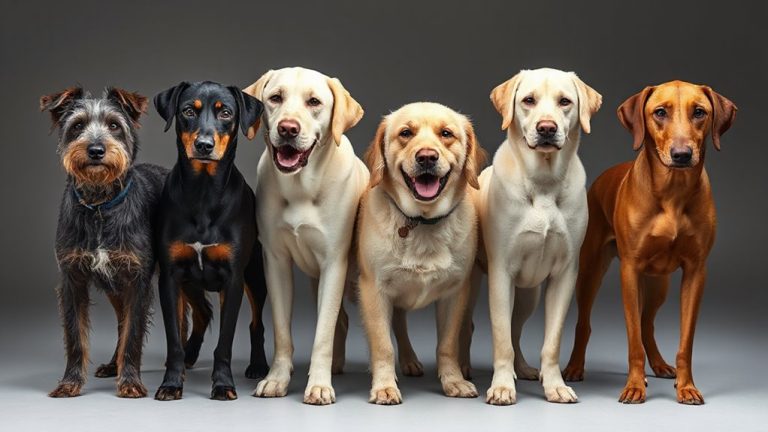
Although floppy ears may give your dog an adorable appearance, they also create an environment ripe for ear infections. The primary cause lies in anatomy differences between breeds with erect versus drooping ears. Floppy ears cover the ear canal, leading to airflow reduction of up to 70% compared to upright-eared dogs. This restricted ventilation limits evaporation of moisture and increases humidity inside the canal. Normal ear flora, such as Malassezia and Staphylococcus, can overproliferate in this warm, moist environment. Canine ear canals are L-shaped, extending vertically before turning horizontally, which naturally impedes drainage. When combined with reduced airflow, debris and wax accumulate more readily. These conditions promote inflammation and microbial growth, setting the stage for otitis externa. Monitoring ear health is essential, especially in breeds like Cocker Spaniels and Basset Hounds, where anatomy differences markedly elevate infection risk.
How Floppy Ears Trap Moisture and Cause Problems
Your dog’s floppy ears do more than just frame their face-they act like a physical barrier that traps moisture inside the ear canal. This moisture buildup creates a damp environment ideal for microbial proliferation. Airflow restriction limits evaporation, particularly in breeds with large, heavy pinnae such as Cocker Spaniels or Basset Hounds. The ear canal’s natural inclination and narrow L-shape compound this issue, reducing ventilation. Relative humidity in covered ear canals can exceed 80%, compared to 40–60% in erect-eared breeds. Prolonged moisture exposure softens the epidermal lining, weakening its defensive barrier. Trapped humidity also elevates skin surface temperature by 2–3°C, further promoting microbial growth conditions. Without routine drying, this microenvironment fosters chronic irritation. Even minimal water exposure during swimming or bathing exacerbates retention. Regular inspection and proper post-moisture care are essential. Preventive management reduces complications linked to long-term canal occlusion.
Yeast and Bacterial Infections in Floppy-Eared Dogs
Why do floppy-eared dogs so often suffer from ear infections? Their ear anatomy creates a warm, moist environment perfect for pathogens. Yeast and bacteria thrive where airflow is limited, making floppy ears a breeding ground. Infection triggers include trapped moisture, wax buildup, and allergens that compromise the ear canal’s natural defenses.
| Condition | Common Cause |
|---|---|
| Yeast overgrowth | *Malassezia pachydermatis* |
| Bacterial infection | *Pseudomonas aeruginosa* |
| Chronic inflammation | Poor ventilation |
| Recurring flare-ups | Allergies, humidity |
| Secondary infection | Untreated initial cause |
Yeast infections often stem from lipid-rich secretions, while bacterial types favor alkaline pH shifts. The L-shaped ear canal further impedes drainage, compounding risk. Regular cleaning alters surface pH and reduces infection triggers. Preventative care must align with the dog’s耳 canal curvature and glandular activity to disrupt microbial colonization before clinical signs appear. Using the right OTC dog ear infection remedies can help manage mild cases and support long-term ear health.
Spot the Signs of Ear Infections Early
What does an early ear infection look like in dogs? You’ll notice subtle changes first. Your dog may scratch at one ear more than usual. Look for redness inside the ear canal-this indicates inflammation. Swelling along the ear flap or narrowing of the ear opening can restrict airflow, creating a moist environment ideal for pathogens. Early discharge is often light yellow; as infection progresses, it darkens. Ear odor becomes noticeable-a yeasty or musty smell signals microbial growth. Head tilting is a key sign, often toward the infected side, due to discomfort or vestibular irritation. You might observe slight imbalance or reluctance to chew, since jaw movement aggravates the inflamed tissues. These symptoms, especially when combined, demand prompt evaluation. Early detection improves treatment efficacy, reduces pain, and prevents chronic ear damage. Monitor weekly; act fast at the first warning.
How to Clean Floppy Dog Ears Safely
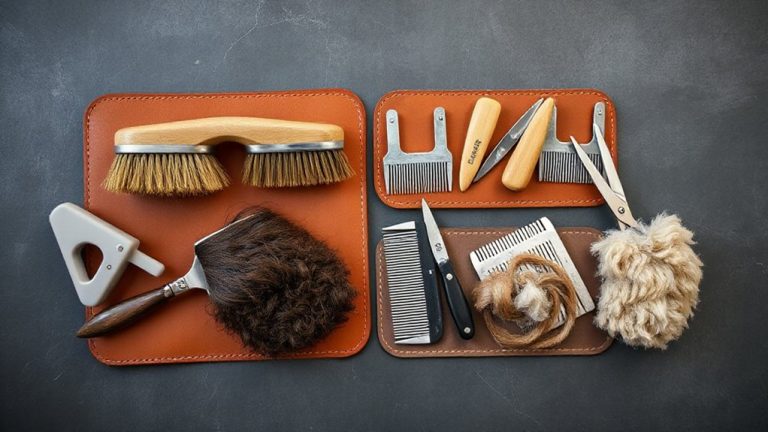
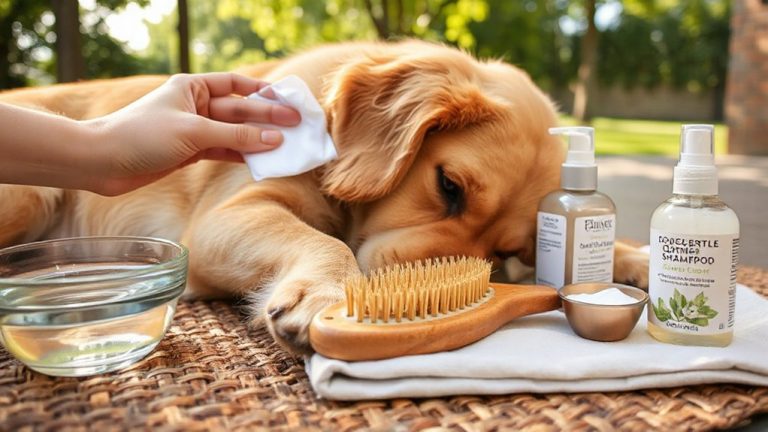
Cleaning floppy dog ears requires attention to anatomy and hygiene to prevent complications. You should inspect the ear canal weekly for signs of redness, odor, or excess debris. Use a vet-approved ear cleaning solution-typically pH-balanced and non-irritating-to address ear wax buildup. Saturate the ear canal without inserting the applicator deeply; 3–5 mL per ear is sufficient for medium to large breeds. Gently massage the base of the ear for 20–30 seconds to loosen debris. Allow your dog to shake its head, then wipe the outer ear with a soft cotton pad. Avoid cotton swabs. Proper drying techniques prevent moisture retention. Use a drying solution with isopropyl alcohol or boric acid if recommended. Guarantee complete evaporation before applying medication. Clean gently to avoid micro-abrasions.
Prevent Infections With Weekly Ear Care
Regularly maintaining your dog’s ear canal greatly reduces the risk of infections. Weekly care prevents harmful wax buildup, which traps moisture and blocks ear ventilation. Floppy ears naturally limit airflow, creating a humid environment ideal for bacterial and yeast growth. Use a vet-approved ear cleaner with drying agents like denatured alcohol (minimum 30% concentration) to evaporate moisture. Gently wipe the outer canal with a cotton ball-never insert objects past the first knuckle (approximately 1.3 cm in medium breeds). A healthy ear should appear pale pink, odorless, and free of debris. Inspect for redness, swelling, or dark discharge, which signal early infection. Weekly cleaning reduces infection rates by up to 68% in predisposed breeds. Proper ear ventilation and wax management maintain a pH between 5.5 and 6.5, inhibiting microbial colonization. Consistent care preserves auditory health and prevents chronic otitis.
On a final note
Your dog’s floppy ears limit airflow, increasing moisture and infection risk. The ear canal’s L-shape traps debris, creating an ideal environment for yeast and bacteria. Clean ears weekly with a vet-approved solution to maintain pH balance (typically 5.5–7.0). Use a cotton ball-never a swab-to avoid damage. Regular inspection prevents complications. Chronic infections may require cytology testing. Prevention is measurable: consistent care reduces vet visits by up to 60%.