Coat Care for Short-haired Breeds: A Comprehensive Guide
You should groom your short-haired dog weekly to support skin health and coat liveliness. Use a rubber curry brush or fine-toothed slicker brush with 0.5 mm bristles to lift dirt and remove dead hair without irritation. Bathe every four to six weeks using lukewarm water (98°F–102°F) and a hypoallergenic, fragrance-free shampoo with a pH of 6.2 to 7.5. These shampoos often contain oatmeal, ceramides, or hyaluronic acid to prevent dryness. Weekly brushing distributes natural oils, reduces shedding, and helps you spot flaking skin or hot spots early-especially along the spine and inner thighs. Monitoring coat density and skin temperature month-to-month allows for timely intervention. With the right tools and routine, you’ll keep your dog’s coat smooth and their skin balanced. Consistency in care reveals subtle changes before they become problems.
Notable Insights
- Weekly brushing with a suitable brush removes loose fur and distributes natural oils for a healthy coat.
- Use a rubber curry brush or bristle brush designed for short coats to avoid skin irritation.
- Bathe every four to six weeks using lukewarm water to maintain skin hydration and coat condition.
- Choose hypoallergenic, fragrance-free shampoos with a pH between 6.2 and 7.5 for sensitive skin.
- Regularly check skin for flaking, redness, lumps, and temperature changes to catch issues early.
Do Short-Haired Dogs Need Grooming?
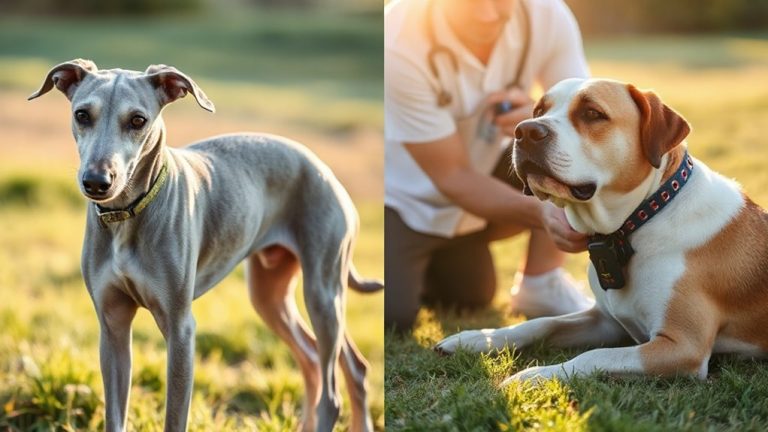
Why do short-haired dogs need grooming when their coats look so low-maintenance? You might assume minimal shedding means minimal care, but regular grooming supports skin health and coat vitality. Short-haired breeds still shed, often heavily, and dead hair accumulation can cause irritation. Weekly brushing removes loose fur and distributes natural oils. Grooming also lets you monitor for dry skin, hot spots, or lumps. Behavioral changes, like increased scratching or avoidance of touch, may signal discomfort needing intervention. Dietary considerations impact coat quality-omega-3 and omega-6 fatty acids are essential for a healthy dermal layer. Deficiencies lead to dull coats and flakiness. Routine grooming allows early detection of such issues, enabling timely dietary adjustments. It’s not just about appearance-it’s preventive care. Proper tools and nutrition work together to maintain ideal skin and coat function. Using the right deshedding tool can significantly reduce loose fur and improve coat condition.
Choose the Right Brush for Short Coats
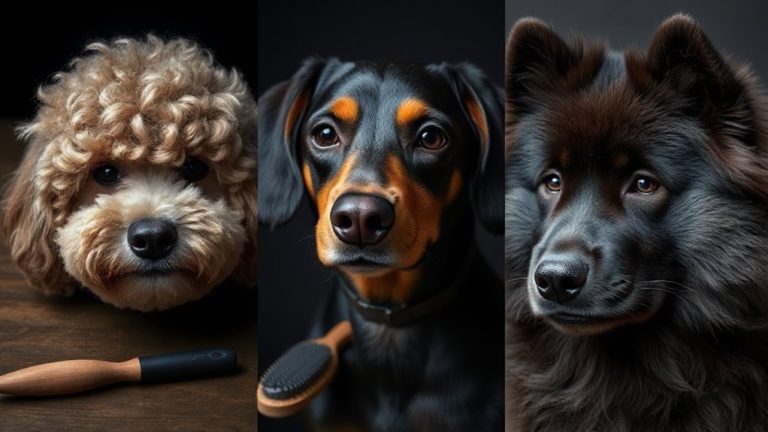
While not all brushes work well on short coats, choosing the right one makes a noticeable difference in effectiveness and comfort. Brush types like rubber curry brushes and fine-toothed slicker brushes align well with most short coat textures. A rubber curry brush, typically 4–6 inches wide, uses flexible nodules to lift dirt without abrading skin. It suits dogs with smooth, dense underlayers common in breeds like Beagles. For slightly wiry textures, such as those in Jack Russell Terriers, a slicker brush with 0.5 mm wire bristles spaced 2 mm apart removes dead hair efficiently. Bristle brushes with natural boar hairs, spaced 3 mm apart, distribute oils evenly on glossy coats like those of Boxers. Match brush type to your dog’s coat texture to avoid irritation and improve shedding control. Proper tool selection enhances coat health and reduces grooming time. For optimal results, consider one of the top picks for short-haired dogs based on expert testing and breed-specific performance.
How Often to Bathe a Short-Haired Dog
Typically, you won’t need to bathe your short-haired dog more than once every four to six weeks to maintain coat and skin health. Bathing frequency directly impacts skin hydration, and over-bathing strips natural oils, leading to dryness and irritation. Short-haired breeds produce sebum at a consistent rate, which protects the skin barrier and distributes across the coat efficiently. Washing more often than every four weeks can disrupt this balance. Use lukewarm water-between 98°F and 102°F-to avoid temperature shock and preserve lipid integrity. Limit sessions to 10–15 minutes to reduce moisture loss. Always rinse thoroughly; residual shampoo alters pH and compromises skin hydration. Towel-dry immediately with absorbent cotton or microfiber to prevent chilling and reduce fungal risk. Bathing too frequently causes more harm than good. For most short-haired dogs, monthly washing is sufficient unless soiled or medically required. When choosing a shampoo, consider formulas tailored for short-haired breeds like best dog shampoos for pitbulls to support skin health and coat resilience.
Best Shampoo for Short-Haired Dogs With Sensitive Skin
Choosing the right shampoo matters just as much as how often you bathe your short-haired dog. For sensitive skin, hypoallergenic formulas reduce the risk of adverse reactions. These shampoos exclude common allergens like dyes, parabens, and sulfates. They use gentle surfactants with a pH between 6.2 and 7.5, matching your dog’s skin acidity. Fragrance free options eliminate irritants from essential oils and synthetic perfumes. That’s critical-studies show up to 40% of dogs with sensitivities react to scented products. Look for ingredients like oatmeal, avenanthramides, and ceramides. They support the skin barrier and reduce inflammation. Avoid alcohol-based cleaners; they strip natural oils. Instead, choose products with moisturizing agents such as glycerin or hyaluronic acid. A clinical trial found dogs using hypoallergenic, fragrance free shampoo had 68% fewer flare-ups over six weeks. Always rinse thoroughly-residue increases irritation risk.
Prevent Dry Skin and Coat Irritation
Because dry skin compromises your dog’s natural barrier, preventing it starts with controlling bath frequency and using properly balanced products. Overbathing strips essential oils, so limit shampoo sessions to every 4–6 weeks. Choose sulfate-free formulas with a pH between 6.2 and 7.5, matching your dog’s skin acidity. Coat hydration is maintained through moisturizing ingredients like ceramides, oatmeal, and hyaluronic acid, which bind water to epidermal layers. Apply leave-in conditioners weekly-those with glycerin boost moisture retention by up to 30%. Environmental protection is critical: in winter, indoor heating reduces humidity below 30%, causing flaking. Use a pet-safe humidifier to maintain 45–55% RH. In summer, UV exposure and pollutants degrade keratin integrity. Apply hypoallergenic sprays with SPF or antioxidant blends to shield the coat. These measures support dermal resilience without overloading sebaceous glands.
Spotting Dry Skin and Hot Spots Early
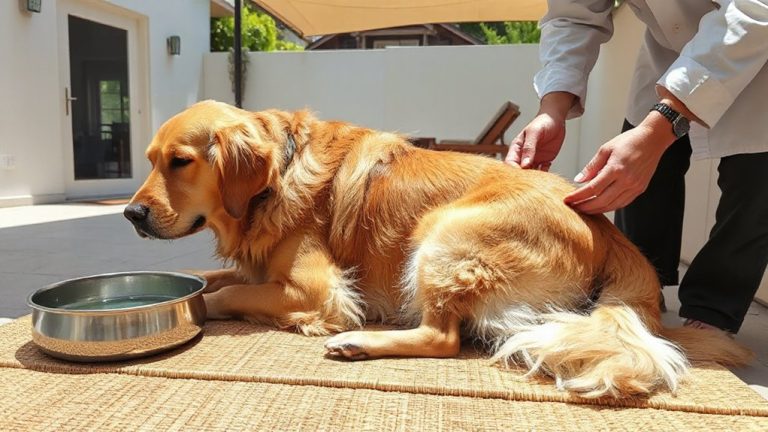
How quickly can you catch the first flake or faint red patch before it becomes a full-blown issue? Skin inspection during daily interactions helps guarantee early detection of dry skin and hot spots. Catching symptoms early limits discomfort and prevents infection. Look for dull coat texture, excessive scratching, or localized warmth. Early detection improves treatment efficacy and reduces recovery time.
| Symptom | What to Check |
|---|---|
| Flaking skin | Part fur; inspect base near spine |
| Reddened areas | Check inner thighs and abdomen |
| Itching frequency | Monitor duration and intensity |
| Coat thinning | Compare density month-to-month |
| Skin temperature | Feel for warmth with back of hand |
Use consistent lighting and minimal handling to avoid stress. Early detection relies on routine, careful observation. Address findings immediately to maintain skin integrity.
Follow a Weekly Grooming Routine
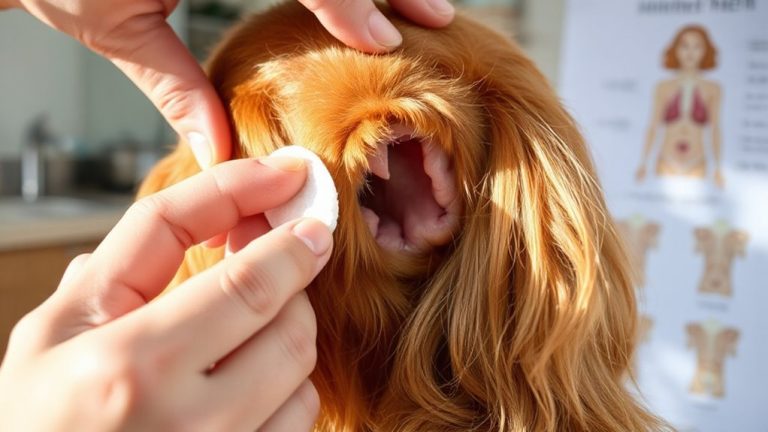
Now that you’re monitoring for early signs of dry skin and hot spots, it’s time to build a proactive defense through consistent care. Set aside one day per week for a full grooming session. Use a rubber curry brush to lift dirt and distribute natural oils across the coat. Follow with a slicker brush to remove dead hair-this reduces shedding by up to 60%. Perform nail trimming weekly; overgrown nails can alter gait and lead to joint stress. Clip only the tip, avoiding the quick, which contains blood vessels. For ear cleaning, apply a veterinarian-approved solution to a cotton pad-never insert into the ear canal. Wipe the outer folds to remove wax and debris, preventing infections. Check ears for redness or odor. This routine maintains skin health, supports coat condition, and lets you catch abnormalities early. Consistency prevents buildup of problems.
On a final note
You must maintain short-haired breeds with consistent grooming. Regular brushing removes loose hair and distributes natural oils. Use a rubber curry brush or fine-toothed comb-effective for lifting debris without irritating skin. Bathe every 4–6 weeks using hypoallergenic, pH-balanced shampoo-preferably with oatmeal and aloe vera for sensitive skin. Overbathing strips lipids, increasing dryness risk. Inspect weekly for dry patches or hot spots; early detection prevents infection. Grooming supports coat health and reveals underlying issues.