Preventing Hot Spots in Dogs With Sensitive Skin: a Comprehensive Guide
You can prevent hot spots by stabilizing your dog’s skin barrier with omega-3 and omega-6 supplementation, proven to reduce transepidermal water loss by 25%. Use hypoallergenic shampoos at pH 5.5–6.0, like those with 1.5% colloidal oatmeal, to restore lipid balance. Apply virgin coconut oil at 0.3 mL per 10 lbs twice weekly to inhibit Malassezia. Control allergens with HEPA air purifiers and weekly bedding washes at 130°F-effective protocols minimize flare-up risks markedly. There’s a precise order to ideal prevention that builds from these foundations.
Notable Insights
- Maintain skin barrier health with omega-3 and omega-6 fatty acid supplementation to prevent hot spot development.
- Use hypoallergenic, fragrance-free shampoos with a pH of 5.5–6.0 to protect sensitive skin during bathing.
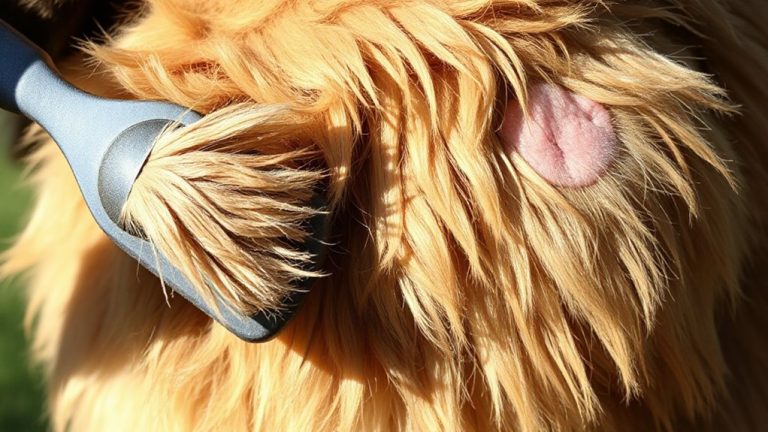
- Brush your dog daily and clean skin folds every two days to reduce moisture and bacterial buildup.
- Control environmental allergens by using HEPA air purifiers and washing bedding weekly in hot water.
- Apply barrier balms or cold-pressed coconut oil regularly to deter microbial overgrowth and support skin integrity.
What Causes Hot Spots in Dogs With Sensitive Skin?
Why do some dogs develop hot spots when others don’t? Your dog’s sensitive skin may react excessively to minor triggers. Diet factors play a proven role-deficiencies in essential fatty acids like omega-3 and omega-6 disrupt skin barrier function, increasing susceptibility. High-grain or low-quality protein diets can promote inflammation, elevating IgE antibody levels and provoking pruritus. Environmental irritants such as pollen, mold, dust mites, and synthetic cleaning agents directly contact the skin, stimulating mast cell degranulation and histamine release. These triggers initiate a cascade: vasodilation, edema, and bacterial overgrowth-typically *Staphylococcus pseudintermedius*. Moisture retention in skin folds or matted fur creates a microenvironment ideal for pathogen proliferation. Genetic predispositions in breeds like Golden Retrievers or German Shepherds further amplify risk. You can’t change genetics, but controlling diet and exposure reduces incidence. Addressing root causes is essential-symptomatic treatment alone fails long-term prevention strategies. Supplementing with high-quality omega supplements for pets can help restore skin barrier integrity and reduce inflammatory responses.
How to Spot Hot Spots Early Before They Spread
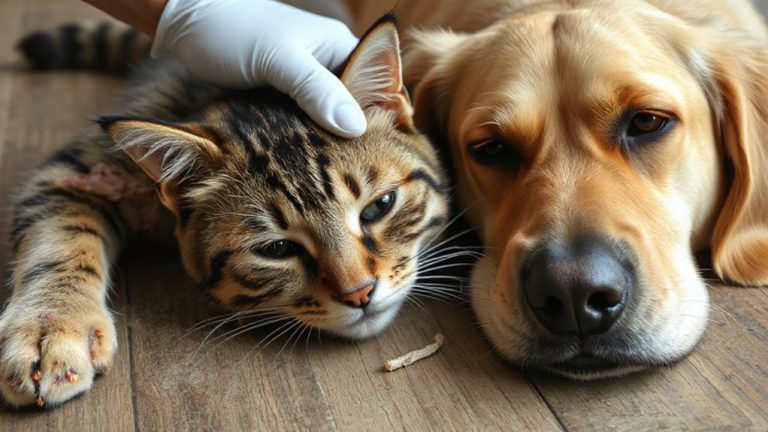
You can minimize skin damage and avoid secondary infections by recognizing the initial signs of hot spots. Early detection is critical in halting progression. Monitor your dog daily for subtle behavioral shifts, such as excessive licking, chewing, or scratching at one area. These actions often precede visible changes. Visual cues include localized redness, warmth, and small patches of hair loss. The affected skin may appear moist or exude a clear to yellowish fluid. Lesions typically develop on the hips, flanks, or head, measuring 1–3 cm initially. Untreated, they can expand by 0.5–1 cm per hour. Use consistent lighting and part the fur to inspect skin thoroughly. Early-stage hot spots feel warm to the touch and elicit mild pain when pressed. Identifying these signs within the first 6–12 hours improves treatment outcomes markedly. Prompt intervention limits bacterial proliferation and reduces healing time.
Prevent Flare-Ups With Daily Skin Care
Regularly checking and caring for your dog’s skin can often prevent hot spots from developing. Daily routines strengthen skin barriers and reduce irritation. Implementing soothing routines helps maintain moisture balance and minimizes inflammation.
| Routine Step | Frequency | Purpose |
|---|---|---|
| Brush coat | Daily | Removes debris, improves airflow |
| Wipe skin folds | Every 2 days | Prevents bacterial buildup |
| Apply barrier balm | As needed | Reinforces natural skin barriers |
| Check ears | Weekly | Detects early moisture issues |
| Monitor for redness | Daily | Enables quick response |
Use gentle, non-irritating methods to support dermatological health. Skin barriers protect against allergens and pathogens. Soothing routines with ceramide-enriched products improve lipid layers. Short sessions prevent stress. Early intervention stops minor irritation from becoming infection. Consistency guarantees long-term protection.
Which Hypoallergenic Products Actually Work?
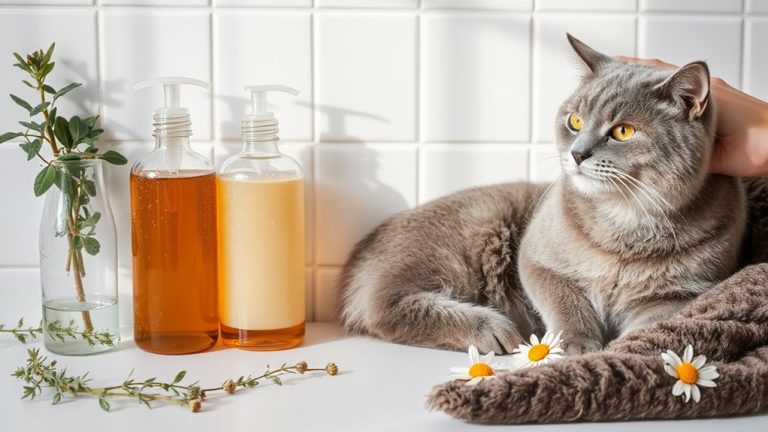
How do you know which hypoallergenic products truly deliver? Look for formulations tested on dogs with contact dermatitis, like those using colloidal oatmeal at a 1.5% concentration-the level proven to reduce transepidermal water loss by 25% in clinical trials. Oatmeal baths calm inflammation and restore skin barrier function within 10 minutes of application. Coconut oil, with its 48% lauric acid content, penetrates hair follicles and inhibits Malassezia overgrowth by disrupting lipid membranes. Use only virgin, cold-pressed coconut oil applied at 0.3 mL per 10 lbs of body weight twice weekly. Avoid products with fragrances or alcohol denat, which increase skin pH above 6.2-a known trigger for microbial imbalance. Hypoallergenic shampoos with a pH between 5.5 and 6.0 match your dog’s natural skin acidity. These specifications guarantee effective, non-irritating care. For ongoing protection, consider a flea collar designed for sensitive skin, as some formulations repel parasites without harsh chemicals that can exacerbate irritation.
Reduce Allergy Triggers at Home
Controlling environmental allergens at home directly influences the frequency and severity of skin reactions in dogs with sensitivities. Dust mites are a common trigger; they thrive in warm, humid environments and feed on shed skin cells. To reduce exposure, wash your dog’s bedding weekly in hot water at least 130°F to kill mites and remove debris. Use allergen-proof covers on mattresses and pet beds. Maintain indoor humidity below 50% using a dehumidifier, as dust mites struggle to survive in low moisture. Air purifiers with true HEPA filters capture 99.97% of particles as small as 0.3 microns, including dander and mite fragments. Place units in rooms your dog frequents most. Vacuum carpets and upholstery twice weekly using a vacuum with a HEPA filter. These steps markedly decrease airborne and surface allergens, reducing irritation for sensitive dogs. For effective cleaning on a budget, consider a best vacuum for pet hair under $200 that combines strong suction with a HEPA filtration system.
When to See a Vet for Dog Hot Spots
When should you call the vet for your dog’s hot spots? If the lesion grows larger than 1 inch in diameter or shows pus, immediate veterinary evaluation is necessary. Changes in dog behavior, such as increased lethargy or aggression when the area is touched, indicate pain and possible infection. Hot spots that don’t improve within 48 hours of home care require professional treatment. Your vet may prescribe topical antibiotics like mupirocin or oral antimicrobials such as cephalexin at 10–15 mg/kg every 12 hours. Uncontrolled itching often relates to underlying environmental factors, including pollen, humidity, or flea exposure. Secondary bacterial involvement with *Staphylococcus pseudintermedius* is common. Clipping hair around the site, cleaning with chlorhexidine solution (2%), and preventing self-trauma with an Elizabethan collar are standard protocols. Early vet intervention prevents systemic complications.
On a final note
You can control hot spots in sensitive dogs with consistent care. Daily brushing and weekly rinsing with pH-balanced, fragrance-free shampoos reduce irritation. Use vet-recommended topical sprays containing 2% chlorhexidine to disinfect and soothe. Hypoallergenic products like Vet’s Best or Douxo prevent flare-ups. Vacuum homes twice weekly, wash bedding at 60°C to eliminate allergens. Persistent lesions need veterinary evaluation for antibiotics or allergy testing.