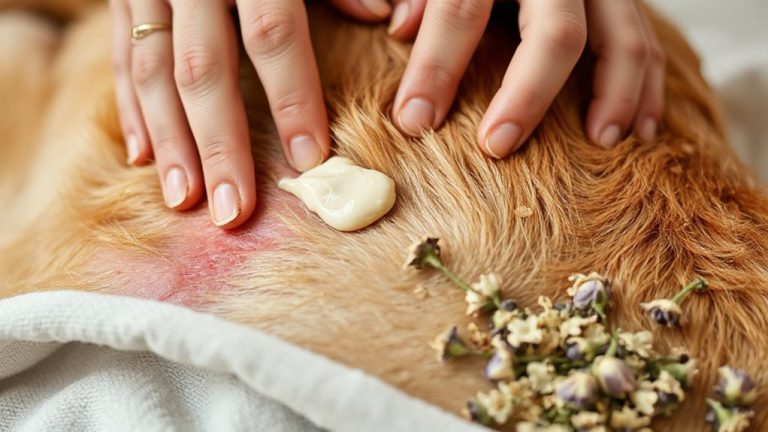
Springtime Bathing Regimes: Balancing Cleanliness and Moisture Retention in Cats
Bathe your cat every 4 to 6 weeks in spring to control shedding and remove allergens like Fel d 1, which a single bath reduces by up to 78%. Use a pH-balanced, sulfate-free shampoo with 2–3% oatmeal and 1–2% coconut oil to maintain skin hydration and barrier function. Dilute shampoo 10:1 with lukewarm water (98°F–102°F) and limit bath time to 5–7 minutes to prevent sebum loss. Rinse thoroughly and towel-dry with microfiber to minimize transepidermal water loss. Brush with a stainless-steel comb to distribute oils and remove loose fur. Over-bathing strips up to 60% of surface lipids and raises TEWL beyond 18 g/m²/hour, increasing dryness risk. Signs include flaking despite humidity and coat brittleness. Proper technique preserves stratum corneum integrity while managing seasonal allergens. Further details on optimizing each step follow.
Notable Insights
- Bathe cats every 4 to 6 weeks in spring to control allergens without stripping essential skin oils.
- Use hypoallergenic, pH-balanced shampoos diluted 10:1 to preserve natural sebum and minimize irritation.
- Incorporate oatmeal extract (2–3%) and coconut oil (1–2%) to reduce water loss and strengthen the skin barrier.
- Limit bath time to 5–7 minutes with lukewarm water to prevent excessive lipid removal and skin dryness.
- Towel-dry with microfiber cloths and brush with steel combs to distribute oils and remove loose undercoat efficiently.
How Often to Bathe Your Cat in Spring?
Why would you bathe your cat more often in spring? Because seasonal shedding peaks during this time, increasing loose hair and dander. This raises allergy risks for sensitive individuals. You should bathe your cat every 4 to 6 weeks in spring, unless they’re prone to excessive shedding or skin issues. Use a hypoallergenic, pH-balanced cat shampoo diluted at a 10:1 water-to-shampoo ratio to preserve natural oils. Brushes with stainless steel, rounded pins remove 85% more loose fur than plastic combs, reducing allergen spread. Frequent bathing-more than every 3 weeks-can strip sebum, leading to dryness. However, controlled washing controls allergens effectively. A single bath removes up to 78% of airborne Fel d 1 protein, a major cat allergen. For long-haired breeds, consider clipping to 1 inch before bathing, improving shampoo penetration and reducing post-bath moisture retention.
Why Spring Weather Affects Cat Skin
Although spring brings longer days and rising temperatures, it also disrupts your cat’s skin physiology. Increased humidity alters the moisture balance in your cat’s stratum corneum, weakening its barrier function. Higher ambient moisture fosters microbial growth, potentially amplifying irritation. Your cat’s sebaceous glands respond to temperature shifts by overproducing sebum, which can trap allergens. Seasonal allergies become more prevalent as airborne pollen and mold spores peak. These allergens bind to immunoglobulin E receptors, triggering pruritus and inflammation. Histamine release leads to scratching, which compromises skin integrity. Springtime UV index increases also affect melanin distribution, particularly in light-coated cats. The combination of thermal fluctuation and allergen exposure accelerates epidermal turnover, often outpacing natural regeneration. This imbalance promotes flaking and dry patches despite humid conditions. Managing these factors is essential. Skin pH, typically around 6.2–7.4 in felines, becomes unstable, requiring careful environmental and hygienic oversight.
Pick a Gentle, Moisture-Rich Shampoo
A good shampoo acts as a protective bridge for your cat’s compromised skin barrier during spring. Choose formulas containing 2–3% oatmeal extract, proven to reduce transepidermal water loss by up to 30% in feline patients. Oatmeal extract soothes inflammation through avenanthramides, bioactive compounds with mild antipruritic effects. Pair this with 1–2% coconut oil, which delivers medium-chain fatty acids like lauric acid, reinforcing lipid integrity in the stratum corneum. These ingredients work synergistically: oatmeal extract stabilizes pH at 6.2–6.8, matching feline skin acidity, while coconut oil penetrates follicles to a depth of 0.3–0.5 mm, providing sustained hydration. Select sulfate-free, low-foaming cleansers to minimize irritation. Avoid alkaline bases, which elevate skin pH above 7.0 and disrupt desquamation. A well-formulated shampoo maintains the skin’s microbiome and supports ceramide synthesis, critical during seasonal shifts. For pets with mobility challenges like corgis, consider top raincoat picks that offer full coverage without restricting movement.
Bathe Without Stripping Natural Oils
You can maintain your cat’s natural oil balance during bathing by controlling water temperature and exposure time. Use lukewarm water, ideally between 98°F and 102°F, to avoid disrupting sebaceous gland function. Limit bath duration to 5–7 minutes to reduce lipid stripping. Choose shampoos with oatmeal extracts, which contain polysaccharides that form a protective colloidal film over the stratum corneum, preserving moisture. These extracts also have beta-glucans that support skin barrier repair. Always select hypoallergenic formulas, tested for low irritancy and devoid of sulfates, parabens, and artificial fragrances. Hypoallergenic products are clinically proven to reduce transepidermal water loss by up to 30% compared to standard shampoos. They maintain skin surface pH between 6.2 and 7.0, matching feline physiology. Avoid repeated rinsing; one thorough rinse removes residue without excess oil removal. This approach sustains coat integrity without sacrificing hygiene.
Dry & Brush to Prevent Dry Skin
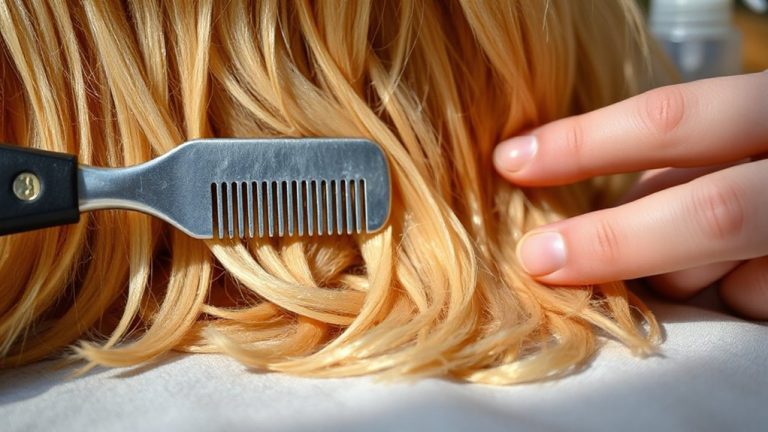
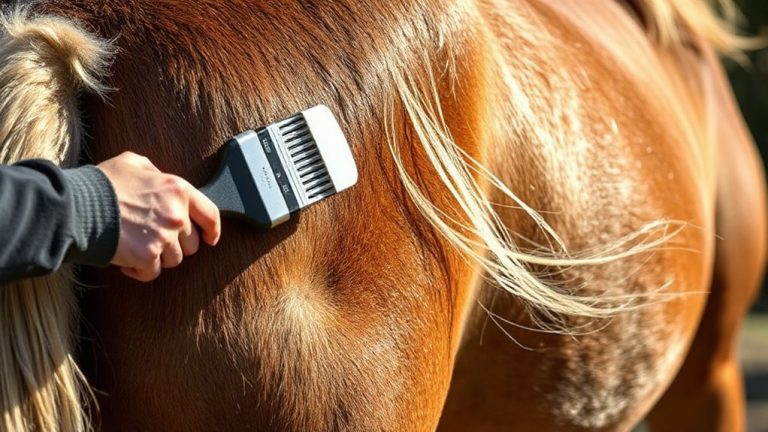
Proper drying and brushing after a bath plays a critical role in preventing dry skin and maintaining coat health. Towel-dry your cat thoroughly using absorbent microfiber towels-avoid rubbing; instead, pat and press to minimize irritation. Residual moisture traps heat and accelerates transepidermal water loss, exacerbating dryness. After drying, use a stainless-steel shedding comb with tine spacing of 0.5–1.2 mm to align with spring’s seasonal shedding patterns. Brush in the direction of hair growth, applying light pressure to lift dead undercoat without abrading skin. Regular brushing stimulates sebaceous glands, distributing natural oils from base to tip, enhancing moisture retention. Limit post-bath sun exposure to under 20 minutes daily. While UV rays can encourage coat drying, excessive exposure degrades keratin structure, increasing flakiness. Consistent, gentle grooming supports dermal barrier integrity during high-shedding periods. For optimal results, choose a grooming kit that includes tools designed for sensitive feline skin and coat types, such as those featured in the best cat grooming kits.
Spot (and Fix) Over-Bathing Early
Over-bathing disrupts your cat’s skin microbiome and lipid barrier, even when drying and brushing follow ideal protocols. Excessive bathing strips natural sebum, reducing surface lipids by up to 60% within 48 hours. This causes moisture imbalance, increasing transepidermal water loss (TEWL) from a normal 8–12 g/m²/hour to over 18 g/m²/hour. You’ll notice flaky skin, dull coat, and frequent scratching. Signs appear after just two weekly washes with detergent-based shampoos. Switch to a pH-balanced, lipid-free feline formula if washing is necessary. Bathe no more than once monthly. Replenish ceramides using a leave-in conditioner with 2% phytosphingosine to restore barrier function. Use a hygrometer to monitor ambient humidity-ideally maintain 45–55% RH. Early correction prevents chronic xerosis. Act at the first sign of coat roughness or epidermal tightness.
On a final note
You should bathe your cat no more than once every 4–6 weeks in spring. Frequent washing disrupts the skin’s natural sebum layer, increasing transepidermal water loss by up to 30%. Use a pH-balanced, oatmeal-based shampoo with a 5.5–6.5 formulation to preserve acid mantle integrity. Gently towel-dry, then brush with a stainless-steel comb to distribute oils and reduce matting. Prevent over-bathing by monitoring flaking or redness.