Managing Seasonal Itching and Irritation in Pets With Sensitive Skins
You can manage seasonal itching by addressing allergens like pollen and mold that trigger IgE responses in sensitive pets. Use oatmeal shampoos with a pH of 5.5–7.0 every 7–10 days to soothe irritation and restore barrier function. Apply coconut oil topically-1–2 teaspoons daily-or add it to food at ½ to 1 teaspoon per 10 lbs. Support skin health with omega-3s at 20–50 mg EPA per pound daily. Signs of worsening include persistent licking, redness, or ear inflammation, which point to underlying sensitivities needing targeted care.
Notable Insights
- Identify and minimize exposure to seasonal allergens like pollen, mold, and dust that trigger skin irritation in sensitive pets.
- Use colloidal oatmeal baths and coconut oil topically to soothe itching and support the skin’s natural barrier function.
- Maintain skin health with balanced fatty acid nutrition, including omega-3s from fish oil at therapeutic doses.
- Seek early veterinary diagnosis to rule out infections and determine specific allergens through testing.
- Implement consistent skincare routines and probiotics to strengthen the immune response and prevent secondary infections.
What Causes Seasonal Skin Flare-Ups in Sensitive Pets
Why do some pets suddenly start scratching more during certain times of the year? Seasonal skin flare-ups in sensitive pets are commonly triggered by environmental shifts, particularly pollen exposure and temperature changes. Rising spring temperatures accelerate plant pollination, increasing airborne allergens. Your pet inhales or contacts these particles, prompting an IgE-mediated immune response. Dermatological studies show over 60% of atopic dogs react to grass pollens between 20–50 micrometers in diameter. Temperature fluctuations also disrupt the skin’s lipid barrier, reducing its ability to retain moisture. This compromises epidermal integrity, allowing allergens easier access to dermal layers. Microclimate shifts of just 2–3°C can alter sebum production, further sensitizing skin. These combined factors create a permissive environment for pruritus. Managing exposure during peak pollen hours, typically 5–10 AM, and maintaining consistent indoor climates can markedly reduce flare-ups. Using a shampoo formulated for itchy skin can also help restore the skin barrier and reduce irritation.
Common Signs of Seasonal Skin Allergies in Pets
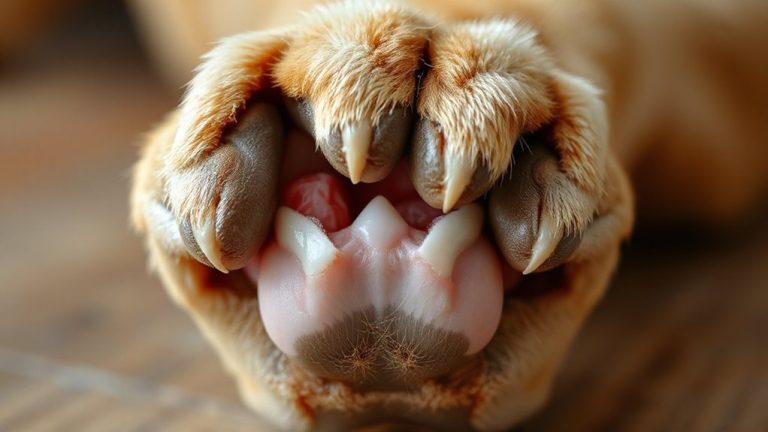
Itching, redness, and recurring ear infections top the list of indicators that your pet may be suffering from seasonal skin allergies. You’ll often notice excessive scratching, licking, or chewing at the paws, belly, or ears. These symptoms arise primarily due to environmental triggers like mold spores, dust mites, and grasses. Pollen exposure, especially during spring and fall, intensifies allergic responses in sensitive animals. Look for bilateral otitis-ear inflammation on both sides-as a key clinical sign. Dermatologic exams may reveal excoriation, erythema, or secondary bacterial infections like *Staphylococcus pseudintermedius*. Affected pets commonly display alopecia and lichenification in chronic cases. Allergen-specific IgE testing can identify sensitivities. Unlike food allergies, which persist year-round, these signs escalate intermittently. Monitoring symptom timing helps differentiate seasonal hypersensitivities. Early recognition improves long-term management outcomes. Incorporating best supplements for dogs can help support skin health and reduce the severity of allergic reactions.
How Seasons Trigger Skin Flare-Ups in Sensitive Pets
When does the air carry the most allergens your pet reacts to? Spring and fall peak with high pollen and mold spore counts, intensifying environmental allergens. Climate changes alter seasonal patterns, extending exposure periods. Warmer temperatures accelerate plant blooming, increasing pollen duration and concentration. Sudden shifts in humidity or barometric pressure stress sensitive skin barriers. These fluctuations compromise dermal integrity, allowing allergens to penetrate more easily. Your pet inhales or contacts these irritants, triggering histamine release. That causes itching, redness, and inflammation. Grasses, trees, weeds, and dust mites dominate outdoor and indoor environments seasonally. Indoor allergen loads rise when windows close during extreme weather, trapping pollutants. Sensitized pets experience flare-ups within 24–48 hours of exposure. Repeated cycles deepen skin dysbiosis. You’ll notice licking, scratching, or ear infections. Monitoring local pollen reports and indoor air quality helps anticipate outbreaks. Climate changes don’t create new allergens but amplify existing ones, worsening symptom frequency and severity over time.
Natural Vet-Approved Relief for Itchy Skin
Many pets with seasonal skin sensitivities respond well to veterinarian-backed natural interventions that target inflammation without harsh chemicals. Coconut oil, rich in medium-chain fatty acids like lauric acid, helps strengthen the skin barrier and reduces microbial overgrowth. Apply 1–2 teaspoons topically to affected areas once daily, or mix ½ to 1 teaspoon per 10 pounds of body weight into your pet’s food for internal support. For localized irritation, oatmeal baths are a safe, effective option. Use colloidal oatmeal at a concentration of 1–3% in lukewarm water, soaking your pet for 10–15 minutes. The polysaccharides and saponins in oats form a protective film, binding moisture and soothing pruritus. Rinsing is optional. These methods provide measurable relief in about 60–70% of cases within 5–7 days. Always consult your vet before starting any new regimen. For persistent itching, consider using a best dog shampoo for itchy skin formulated with natural, vet-approved ingredients to maintain skin health between treatments.
Best Shampoos for Sensitive Pet Skin
While environmental allergens can compromise your pet’s skin barrier, selecting the right shampoo plays a critical role in restoring and maintaining dermal health. Shampoos with oatmeal therapy soothe inflamed skin by forming a protective colloidal layer that retains moisture and reduces transepidermal water loss. These formulations typically feature a pH of 5.5–7.0, matching your pet’s natural skin acidity for minimal disruption. Coconut oil derivatives, like glycerin and fatty acids, provide emollient action that strengthens the lipid barrier and reduces flaking. Look for products with 2–5% coconut oil concentration for effective hydration without greasy residue. Avoid harsh surfactants such as sodium lauryl sulfate, which strip natural oils. Veterinarian-recommended brands often include ceramides and omega-6 fatty acids to support cellular repair. Use every 7–10 days during peak allergy seasons for best relief.
Nutrition Tips for Pets With Sensitive Skin
Topical care supports your pet’s skin, but lasting relief begins from within through targeted nutrition. A proper omega balance is critical-aim for a dietary ratio of omega-3 to omega-6 fatty acids between 1:5 and 1:10. Omega-3s, especially EPA and DHA from fish oil, reduce inflammatory pathways at the cellular level. Supplements typically require 20–50 mg EPA per pound of body weight daily for therapeutic effect. Concurrently, gut health directly influences skin integrity. Up to 70% of your pet’s immune system resides in the gastrointestinal tract. Probiotics like *Lactobacillus acidophilus* and *Bifidobacterium* spp., at 1–10 billion CFUs per day, support microbial balance. Prebiotic fibers such as FOS enhance probiotic efficacy. Choose limited-ingredient diets with hydrolyzed proteins if sensitivities are suspected. Feed according to body condition score, avoiding excess calories that exacerbate inflammation. Consistent, science-backed nutrition improves epidermal turnover and reduces pruritus over 6–8 weeks.
When to See the Vet: Red Flags for Severe Reactions
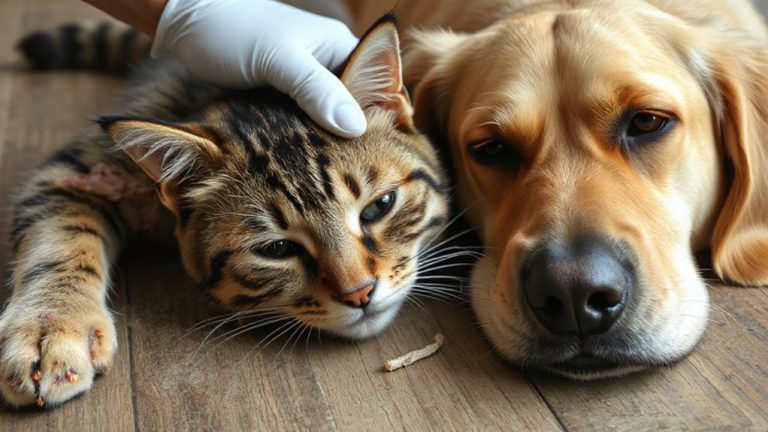
How do you know when scratching goes too far? When your pet’s itching leads to raw, oozing sores, it’s a sign of secondary infections. These bacterial or yeast infections worsen inflammation and require prescription treatment. Persistent licking or chewing can break the skin barrier, allowing pathogens to enter. You might also notice swelling, hives, or sudden lethargy-symptoms that suggest anaphylaxis risk. Anaphylaxis is rare but life-threatening, often occurring within minutes of an allergen exposure. It causes respiratory distress, pale gums, and collapse. Immediate veterinary intervention is critical. If your pet shows facial swelling or struggles to breathe, seek emergency care. Chronic scratching disrupts sleep and weakens the immune response. Don’t wait weeks-vets can identify underlying triggers through skin scraping, blood tests, or allergy panels. Early action reduces complications and improves long-term management outcomes.
On a final note
You can manage seasonal skin issues in sensitive pets with targeted care. Use hypoallergabolized shampoos containing 2% chlorhexidine or colloidal oatmeal at pH 5.5–7.0. Feed omega-3-rich diets (EPA/DHA at 500–1,000 mg combined daily per 20 lbs body weight). Check for persistent erythema, excoriation, or malodor-signs warranting veterinary diagnosis and possible prescription therapy.