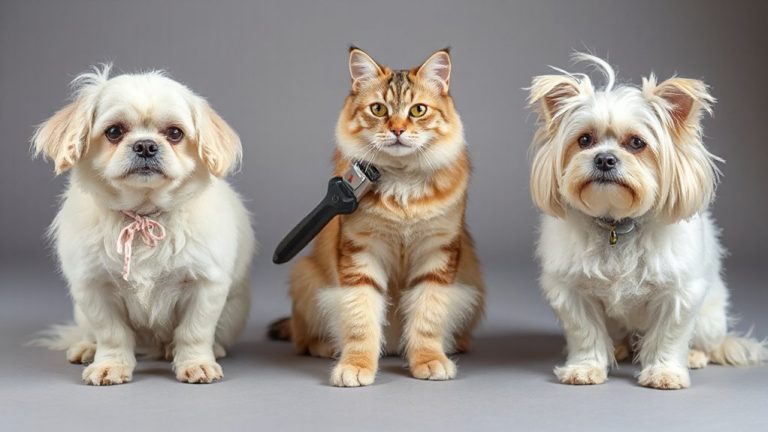
Understanding the Growth Cycles of Different Pet Coat Types
Your pet’s coat cycle is controlled by genetics, hormones, and light exposure. It progresses through four stages: anagen (active growth), catagen (transition), telogen (resting), and exogen (shedding). Double-coated breeds spend more time in anagen, producing dense undercoats that shed seasonally. Photoperiod regulates melatonin, triggering spring shedding and fall coat thickening. Artificial light can disrupt this cycle. Proper grooming matches coat type-use undercoat rakes for double coats, soft brushes for single coats. Abnormal shedding may signal hormonal imbalances like hypothyroidism, which reduces hair density by up to 30%. You’ll find targeted solutions based on your pet’s specific coat physiology.
Notable Insights
- Genetics and hormones regulate the coat growth cycle, with photoperiod influencing timing through melatonin and prolactin.
- The four phases-anagen, catagen, telogen, and exogen-dictate hair growth, rest, and shedding in all coat types.
- Double-coated breeds shed heavily seasonally due to thick undercoats, while single-coated breeds shed minimally year-round.
- Photoperiod changes trigger spring shedding and fall undercoat growth, with artificial light potentially disrupting natural cycles.
- Grooming needs vary by coat type: daily brushing for double coats during shedding, less frequent care for single coats.
What Drives the Pet Coat Growth Cycle?
While genetics lay the foundation, environmental and hormonal factors primarily regulate your pet’s coat growth cycle. Hormonal changes directly influence follicular activity, altering growth phases. For instance, melatonin and prolactin levels shift with daylight exposure, modulating hair cycle timing. Seasonal breeders respond strongly to photoperiod, with coat changes peaking during spring and fall. Environmental triggers like temperature and humidity further synchronize shedding patterns. Dogs in temperate climates typically shed 10–20% more in spring, adapting to thermal regulation needs. Indoor pets exposed to artificial lighting may experience disrupted cycles, showing inconsistent shedding year-round. These triggers interact with endocrine signals, prompting follicles to enter growth or rest phases. Hormonal imbalances, such as hypothyroidism, can delay anagen onset, reducing coat density by up to 30%. You can mitigate such disruptions by maintaining stable indoor climates and monitoring annual health markers. Understanding these drivers helps predict and manage shedding patterns effectively.
The 4 Stages of the Pet Coat Growth Cycle
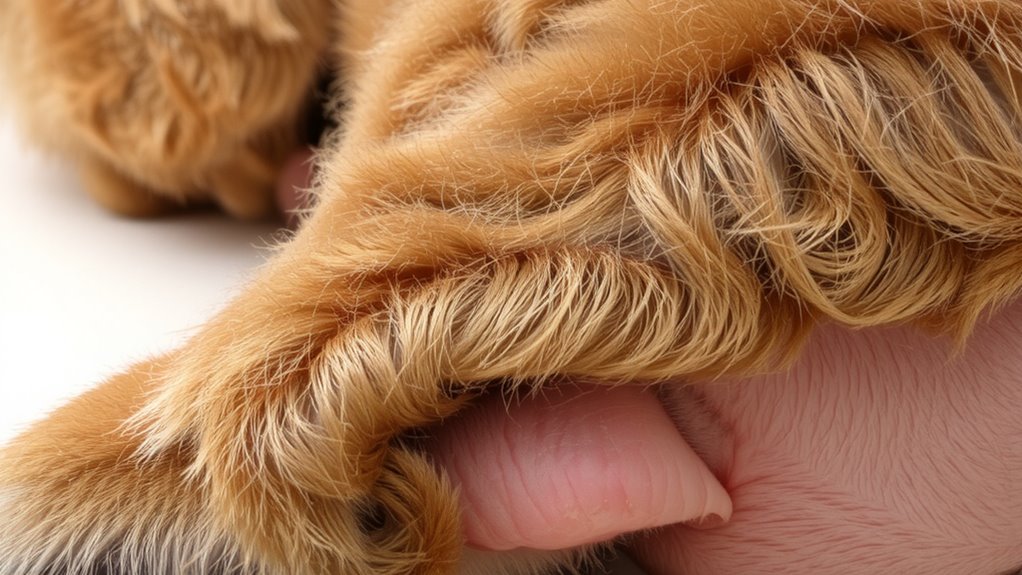
Your pet’s coat follows a predictable biological sequence governed by distinct growth stages, each with specific cellular activities and timelines. First is the anagen phase, where active hair growth occurs; this stage determines final coat texture and maximum hair density, lasting months to years depending on breed. Next, the catagen phase halts growth as cells stop dividing, forming a club fiber-this changeover period lasts 1–3 weeks. Then comes telogen, a resting phase where the old hair remains in place but doesn’t grow; up to 70% of follicles may be in telogen in some breeds, preserving hair density until new follicles activate. Finally, exogen expels the old hair, making room for new growth. Hormonal signals and follicle activity regulate this cycle precisely. Each phase directly influences coat texture and hair density, ensuring structural integrity and thermal protection.
How Different Coat Types Affect Shedding
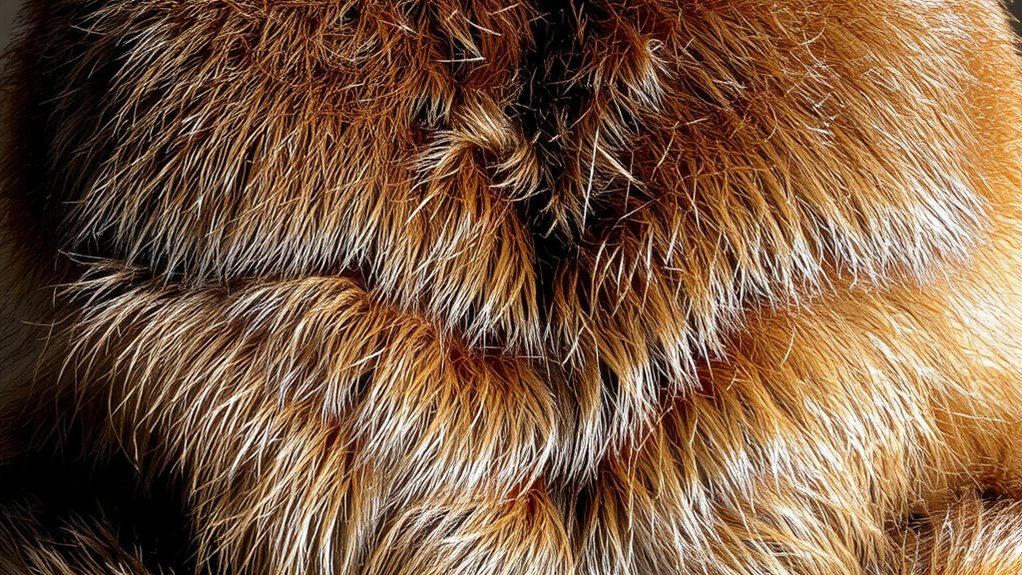
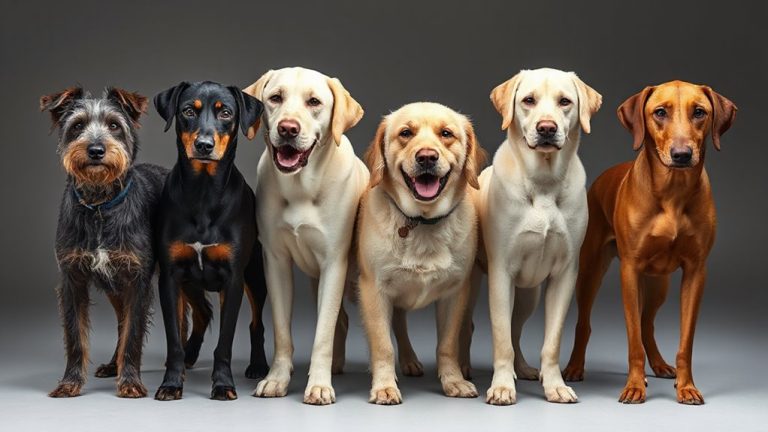
Why do some pets shed more than others? The answer lies in coat texture and breed differences. Animals with double coats, like Huskies, have thick undercoats that shed heavily. Single-coated breeds, such as Poodles, shed minimally. Coat texture influences how hair detaches and disperses. Wiry or curly hair traps loose fibers, reducing visible shedding. Straight, fine hair falls out more freely. Breed differences determine hair cycle duration. For example, German Shepherds shed year-round due to continuous anagen phases. Persians, with long, dense fur, lose clumps seasonally but less frequently. Short-haired pets like Boxers have rapid turnover rates, shedding small hairs daily. These textures and genetics shape shedding patterns. You can manage it with grooming tools suited to specific coat types. Knowing your pet’s breed traits helps predict and control shedding.
Why Pets Shed More in Spring and Fall
Because daylight hours shift dramatically in spring and fall, your pet’s coat cycle often responds to these natural light changes. Photoperiod, or daily light exposure, regulates melatonin levels, which directly influence hair follicle activity. As days lengthen in spring, pets shed dense winter fur to adapt to rising temperature changes. Conversely, in fall, decreasing light triggers growth of an insulating undercoat. This biannual shedding aligns with ancestral survival needs. Temperature changes further amplify shedding intensity, as warmer indoor environments confuse natural cues. Concurrently, seasonal allergies may irritate skin, increasing loose hair. Pollens and environmental allergens peak in spring and fall, exacerbating coat turnover. These overlapping factors-photoperiod shifts, temperature changes, and seasonal allergies-create peak shedding periods. While all breeds experience this, double-coated breeds like Huskies or Golden Retrievers show the most dramatic shifts. Regular monitoring during these seasons guarantees early detection of abnormal shedding patterns. For aquarium owners, maintaining clean tank environments during peak shedding times can help reduce pet stress, which may influence coat health, and using an efficient aquarium gravel cleaner can support overall pet wellness by ensuring a hygienic living space.
How to Groom by Coat Type and Growth Stage
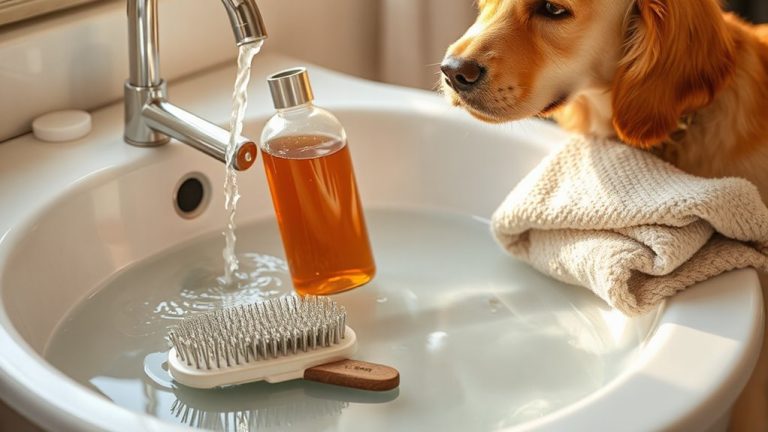
What if your grooming routine worked *with* your pet’s biology instead of against it? Adjusting brush frequency to match coat growth stages optimizes shed control and skin health. Double-coated breeds, like Huskies, need daily brushing during shedding phases to remove loose undercoat; use an undercoat rake with 1.5-inch pins. During non-shedding phases, weekly brushing suffices. Single-coated dogs, such as Greyhounds, require brushing only every 4–7 days with a soft bristle brush. Coat trimming every 6–8 weeks maintains hygiene and shape, especially around paws and sanitary areas. Use curved shears for precision. For long-haired breeds, including Shih Tzus, daily brushing prevents matting, and coat trimming every 4 weeks reduces debris accumulation. Clippers with size 7 blades (3/64 inch cut) work best for light shaping. Consistent grooming aligned with growth cycles improves coat condition and reduces hairball ingestion.
Signs Your Pet’s Shedding Is a Health Problem
How much shedding is too much? Normal shedding varies by breed, season, and coat type, but excessive hair loss isn’t typical. If you notice excessive itching, your pet may be responding to allergies, parasites, or skin infections. This behavior can disrupt the hair growth cycle, pushing follicles into the telogen (resting) phase prematurely. Chronic itching often leads to secondary trauma and hair breakage. Bald patches are a clear warning sign-these localized areas of alopecia indicate underlying issues like hormonal imbalances (e.g., hypothyroidism), fungal infections such as ringworm, or autoimmune conditions. Unlike diffuse shedding, bald patches lack follicle activity and appear abruptly. Check for redness, scaling, or crusting around affected zones. These clinical signs require veterinary diagnosis through skin scrapings, blood tests, or biopsies. Addressing the root cause promptly prevents permanent follicular damage and restores normal coat cycling.
On a final note
You now understand how coat growth cycles influence shedding patterns. Each stage-anagen, catagen, telogen, exogen-plays a role in hair renewal and loss. Coat type determines cycle length and shedding intensity. Proper grooming aligns with growth phases, reducing matting and improving skin health. Seasonal changes trigger hormonal shifts, increasing spring and fall shedding. Abnormal shedding may signal underlying conditions like hormonal imbalances or deficiencies.