How Different Pet Breeds Respond to Shaving for Matting Issues
You can safely shave single-coated dogs like Poodles with a #10 blade, leaving 1/16 inch of fur to avoid irritation. Double-coated breeds such as Huskies should never be shaved-their undercoat provides insulation and UV protection. Shaving them risks follicular dysplasia and poor regrowth. Use ceramic-bladed clippers at 8,000–10,000 RPM for efficient dematting. For severe matting, shaving may be necessary, but breed-specific coat structure determines long-term outcomes. The right approach depends on follicle activity and coat type, not just surface tangles-knowing the difference prevents irreversible damage.
Notable Insights
- Double-coated breeds like Huskies should not be shaved for matting, as it disrupts insulation and can cause permanent coat damage.
- Dense undercoats with severe matting can be safely shaved using a #10 blade, leaving 1/16 inch to prevent skin irritation.
- Breeds such as Maine Coon and Ragdoll can be shaved carefully, but Persians should avoid shaving due to uneven regrowth risks.
- Improper shaving may lead to failed regrowth, especially in breeds prone to follicular dysplasia or hormonal imbalances.
- Dematting is preferred for light tangles, but skin-tight mats require shaving with sharp, high-RPM clippers to minimize discomfort.
Dog Breeds That Can Be Safely Shaved
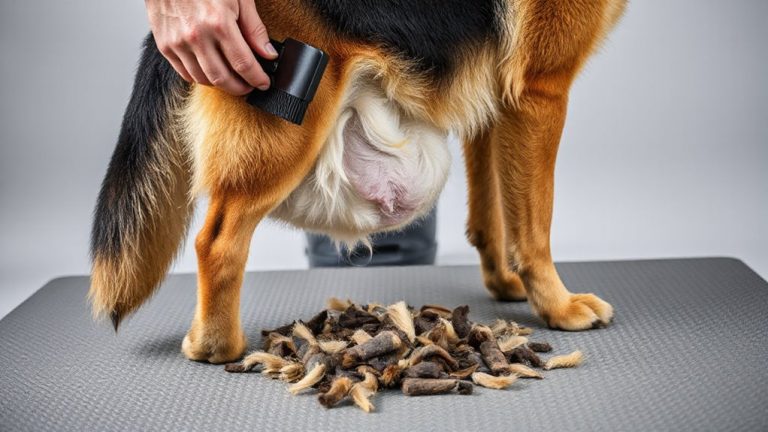
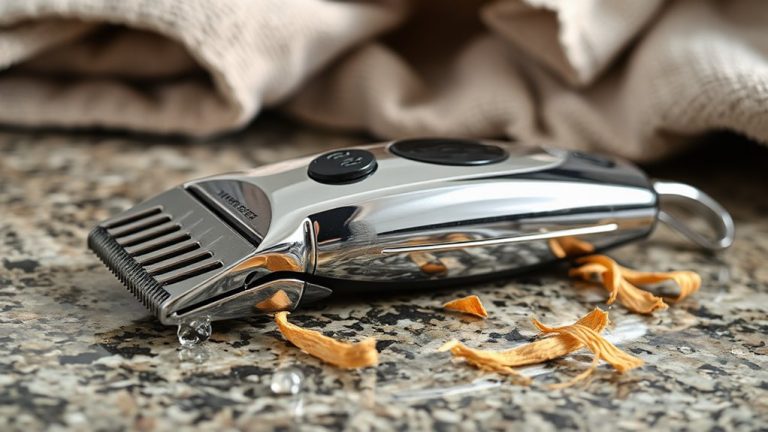
Coat type determines whether shaving is a safe option for managing matting in dogs. You can safely shave breeds with double coats if their undercoat is dense and prone to matting. These dogs often have a soft, woolly underlayer beneath a coarser topcoat. Proper blade selection is essential-use a #10 or #7F blade to cut close without irritating the skin. A #10 blade leaves about 1/16 inch of coat, ideal for severe matting. Coat texture affects blade performance; coarse fur requires sharper, durable blades. Never use dull blades-they pull hair and increase discomfort. Electric clippers should run at 2,400–3,000 strokes per minute for smooth cutting. Always clip with the grain to minimize skin trauma. After shaving, monitor for sunburn or irregular regrowth. Regular grooming reduces future matting. For single-coated breeds, a #4F blade may suffice, leaving 1/2 inch of protection. High-quality pet grooming clippers make a noticeable difference in efficiency and comfort during dematting sessions.
Dog Breeds That Should Never Be Shaved
Shaving certain dog breeds can cause irreversible damage to their coat and skin. You should never shave double-coated breeds because their coat texture and breed genetics make them highly dependent on natural insulation. These dogs, like Huskies, Malamutes, and German Shepherds, have a dense undercoat that regulates body temperature and shields against UV rays. Shaving disrupts this system, leading to poor regrowth or clumping. The undercoat may grow back faster than the guard hairs, altering protection and appearance. Coat texture changes can result in a coarser feel or patchy coverage, reducing thermal efficiency. Breed genetics dictate this growth pattern, and interference often leads to long-term coat dysfunction. Cutting the coat shorter than 1 inch compromises its function. Use dematting tools instead. Preserve the natural 2–3 inch length to maintain insulation and skin health.
What Happens When a Pet’s Coat Doesn’t Regrow
What if, after shaving, your pet’s coat simply doesn’t come back? Regrowth failure happens due to disrupted hair follicle cycles or damage from chronic matting. Regrowth failure reasons include hormonal imbalances, skin atrophy, and improper clipping techniques that scar follicles. Some double-coated breeds, like Huskies or Sheepdogs, lack active secondary follicles post-shave, halting undercoat regeneration. Hair loss consequences extend beyond appearance-reduced thermal regulation increases heatstroke risk. Without insulating fur, UV exposure can cause dermatitis or hyperpigmentation. In severe cases, follicular dysplasia develops, leading to permanent alopecia. Studies show up to 30% of affected dogs exhibit incomplete regrowth within six months. Skin biopsies confirm follicular degeneration. Preventative care, including regular grooming and veterinary dermatology consults, minimizes risk. Early intervention improves outcomes. Always assess breed-specific follicular activity before shaving.
Cat Breeds That Can Be Shaved (And Which Can’t)
While some cat breeds tolerate shaving with minimal long-term effects, others face significant risks due to their unique coat biology and skin sensitivity. Your cat’s coat texture and grooming frequency largely determine whether shaving is safe. Thick, double-coated breeds like Persians or Himalayans often develop uneven regrowth or skin issues post-shave. In contrast, short-coated breeds such as Domestic Shorthairs handle shaving better.
| Breed | Can Be Shaved? |
|---|---|
| Maine Coon | Yes, with care |
| Persian | No |
| Sphynx | N/A (hairless) |
| Ragdoll | Yes |
| British Shorthair | Yes |
Shaving alters natural insulation and oil distribution, especially in long-haired cats. For breeds with dense undercoats, improper regrowth may impair thermal regulation. Always consider coat texture and required grooming frequency before proceeding. Shaving isn’t a substitute for routine care in high-maintenance breeds.
Shaving vs. Dematting: When to Use Each Method
If your pet’s coat has developed mats, deciding between shaving and dematting depends on the severity, location, and coat type. Light surface tangles can often be resolved with dematting tools-blunt-tipped rakes with 0.5–1 mm spacing work safely on topcoats. However, dense, skin-tight mats require shaving with a #10 or #7 blade, which leaves 1–3 mm of fur, reducing skin risk. Dematting thick undercoats may cause pain and lead to grooming trauma, especially in sensitive breeds. Clipper hesitation-pausing or snagging during shaving-signals blade dullness or improper tension and increases discomfort. Use ceramic-bladed clippers with high torque (8,000–10,000 RPM) for smooth performance. Shaving is faster and safer for severe cases, preventing trauma from pulling. Assess each mat individually: superficial ones respond to dematting; deep, painful mats demand shaving to protect your pet’s well-being. For effective results on mild matting, consider using one of the best dematting tools for dogs.
Why Pet Breed Determines Shaving Safety
Shaving safety depends heavily on your pet’s breed because coat structure, skin sensitivity, and thermoregulation differ greatly across breeds. Your pet’s coat texture influences how well their fur regrows and protects their skin post-shave. Thick double coats, like those on Huskies, rely on natural insulation for climate adaptation, and shaving them can impair thermoregulation. Single-coated breeds, such as Poodles, tolerate shaving better due to their even coat texture and lower undercoat density.
| Breed Type | Coat Texture | Climate Adaptation |
|---|---|---|
| Double-coated | Dense undercoat, guard hairs | Cold-weather adapted; prone to sunburn if shaved |
| Single-coated | Soft, even fur | Heat-tolerant; regrows safely after shaving |
| Hair-coated | Non-shedding, curly | Minimal shedding; requires regular clipping |
Always assess breed-specific needs before deciding to shave.
On a final note
You must assess your pet’s breed and coat type before shaving. Double-coated breeds like Huskies and Malamutes suffer permanent coat damage if shaved. Their undercoat may not regrow, leading to poor insulation and skin issues. Single-coated breeds such as Poodles tolerate shaving well. Cats like Persians can be safely clipped but never fully shaved. Use dematting for mild cases; shaving only for severe matting. Always consult a professional groomer.