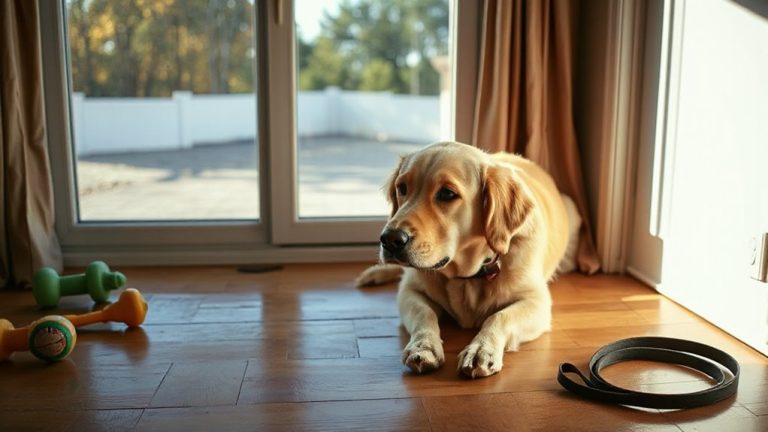
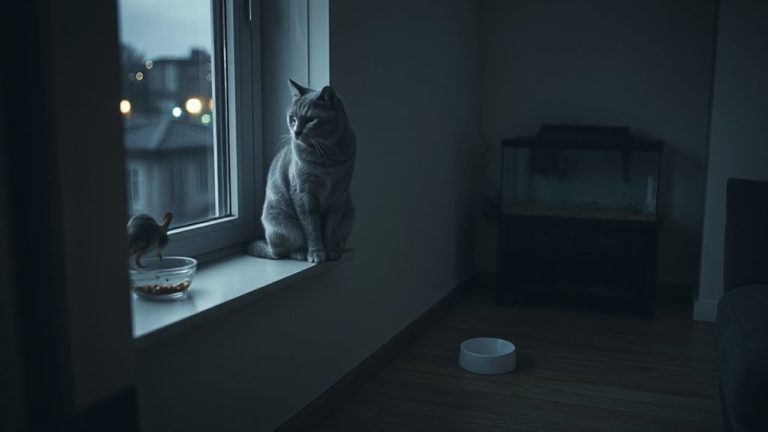
The Role of Exercise on Stress Hormone Levels: A Guide for Reducing Generalized Anxiety Disorder in Pets
Exercise reduces your pet’s stress hormones by activating the parasympathetic nervous system, dropping cortisol levels within 20–30 minutes. Physical activity decreases adrenaline and norepinephrine while boosting serotonin and dopamine. Dogs benefit from 30–60 minute walks at 3–5 km/h, including off-leash intervals. Cats need 3–5 daily 10–15 minute play sessions with wand toys or targeted laser games. These routines can cut anxious behaviors by up to 35%. Consistent exertion reshapes baseline hormone profiles. You’ll discover how to combine these with environmental controls for maximum effect.
Notable Insights
- Exercise reduces cortisol levels in pets within 20–30 minutes by activating the parasympathetic nervous system.
- Regular physical activity lowers adrenaline and norepinephrine, decreasing overall stress and anxiety.
- Daily aerobic exercise in dogs can reduce anxious behaviors by up to 35% over time.
- Play sessions that stimulate pouncing and chasing help regulate stress hormones in cats.
- Consistent exercise schedules support long-term improvements in pets’ baseline stress hormone profiles.
Signs Your Pet Is Anxious
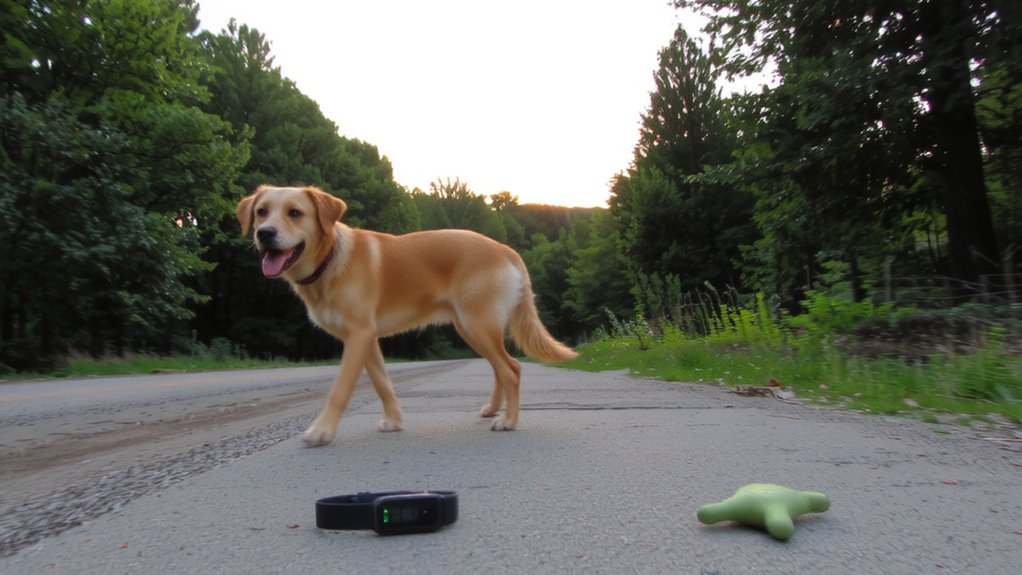
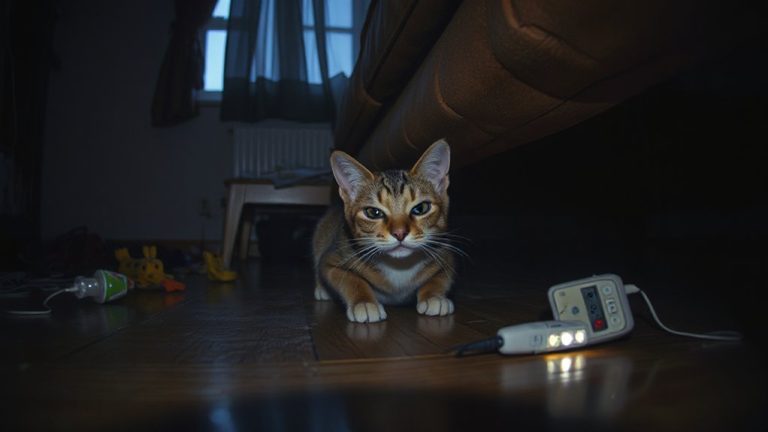
How can you tell when your pet is stressed? Look for changes in body language. A lowered tail, pinned-back ears, or tense posture often signal discomfort. Dilated pupils and rapid blinking are physiological markers tied to sympathetic nervous system activation. You might also notice excessive grooming or panting, even in cool environments. These behaviors are reliable separation cues, especially when they occur before you leave. Pets exhibit anticipatory anxiety through restlessness or clinginess near exits. Urination or defecation indoors, absent medical cause, is another indicator. Vocalizations like whining or howling in isolation suggest distress. Monitoring frequency and duration of these signs helps assess severity. Use a behavior log to track patterns over 72 hours for accuracy. Early recognition of body language and separation cues allows timely intervention. Consistent observation improves diagnostic precision.
How Exercise Reduces Pet Anxiety
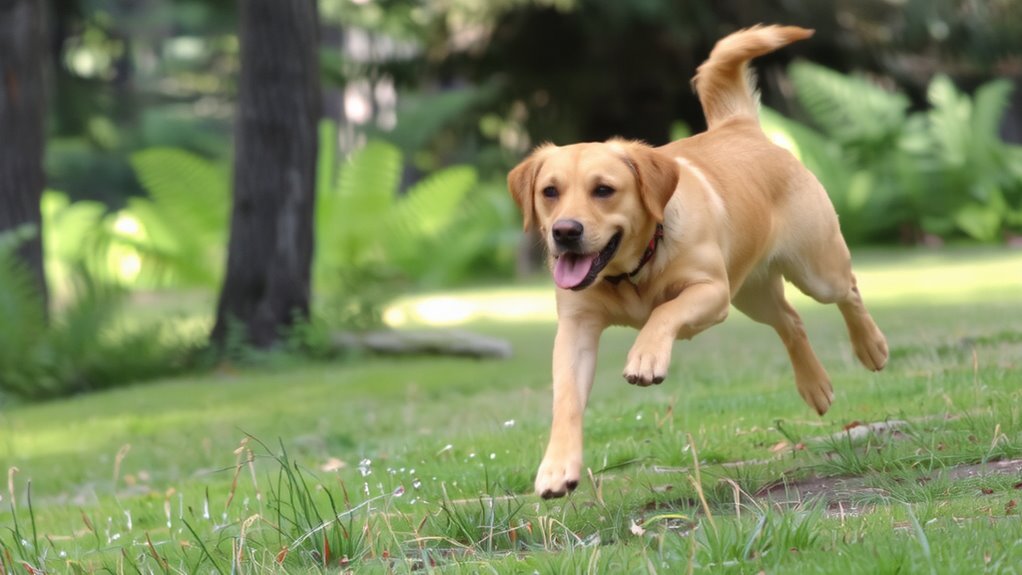
When your pet moves, their body shifts from a state of alertness to one of regulation, and that change matters. Exercise benefits their nervous system by activating the parasympathetic response, reducing cortisol levels within 20–30 minutes of sustained activity. This process supports hormone regulation, lowering adrenaline and norepinephrine concentrations that contribute to anxiety. Physical movement stimulates serotonin and dopamine release, neurotransmitters linked to mood stabilization. These biochemical changes occur predictably across species, with studies showing up to a 35% reduction in anxious behaviors after regular exertion. Best results require at least 30 minutes of moderate activity daily, maintaining heart rate at 60–70% of maximum capacity. The effect isn’t temporary-consistent exercise creates lasting improvements in baseline stress hormone profiles. You’re not just burning energy; you’re resetting their physiology.
Best Exercises for Anxious Dogs and Cats
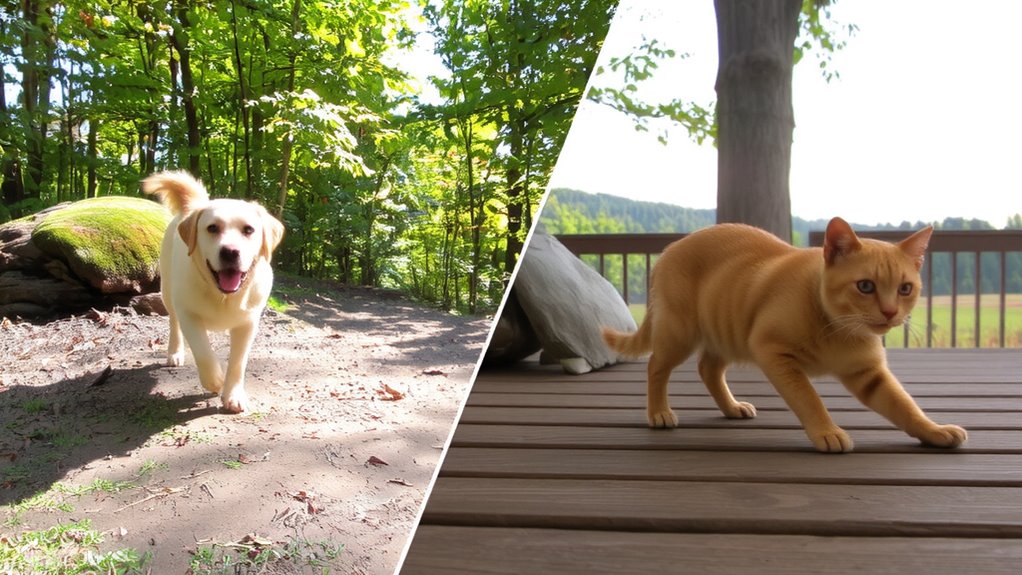
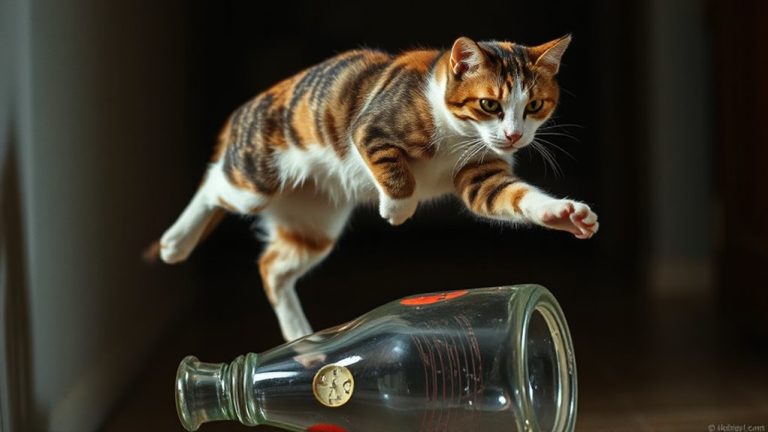
Movement is medicine. Regular physical activity reduces cortisol levels in dogs and cats by up to 30%, according to veterinary studies. For dogs, daily outdoor walks of 30–60 minutes at 3–5 km/h regulate heart rate variability and support hippocampal neurogenesis. Brisk pacing aids in metabolizing stress hormones efficiently. For cats, structured indoor games lasting 10–15 minutes, repeated 3–5 times daily, lower anxiety markers. Use wand toys to simulate prey movement, encouraging sprinting and pouncing-activities that mimic natural hunting behaviors and promote dopamine release. Combine laser pointers with physical targets to avoid frustration. Dogs benefit from off-leash intervals during outdoor walks to maximize aerobic exertion. Cats respond best to unpredictable motion patterns in indoor games, increasing engagement and reducing avoidance behaviors. Both species show improved GABA modulation after consistent exercise. Duration, timing, and repetition are critical. Match activity to species-specific behavioral physiology for ideal neurochemical outcomes.
Build a Calming Daily Routine for Your Pet
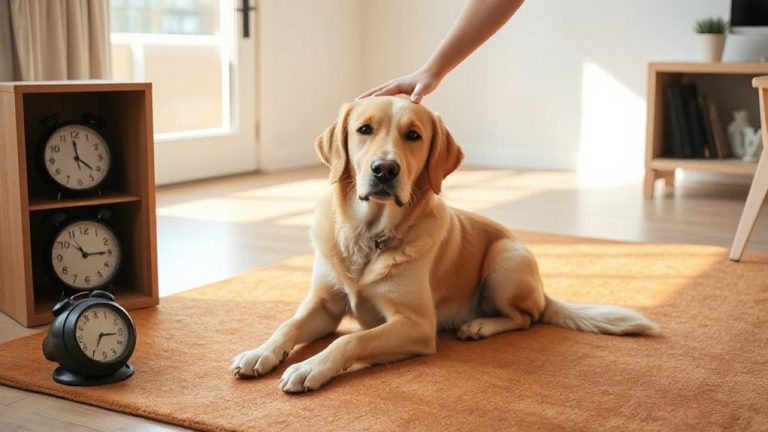
While your pet’s nervous system thrives on predictability, a poorly structured routine can amplify stress instead of reducing it. A consistent daily schedule regulates cortisol and supports relaxation. Incorporate mindfulness techniques like slow breathing exercises and quiet bonding sessions at fixed times. Scent enrichment using pheromone diffusers (e.g., Feliway for cats, Adaptil for dogs) reduces anxiety markers by up to 70% within two weeks. Pair structured activities with predictable rest periods to optimize autonomic balance. Best dog training pheromone diffusers can significantly enhance the effectiveness of scent enrichment when selected based on your pet’s specific anxiety triggers.
| Activity | Time of Day |
|---|---|
| Morning exercise | 7:00 AM |
| Scent enrichment | 24/7 diffuser use |
| Mindfulness session | 6:30 PM |
| Quiet wind-down | 9:00 PM |
Neurochemical stability improves when routines align with circadian rhythms. Use timers for lights and feeders to enhance consistency.
When to Seek Help for Pet Anxiety
A well-structured routine supports your pet’s neurochemical balance, but even the most consistent schedule may not resolve deep-seated anxiety. Persistent signs-excessive vocalization, destructive behavior, or aggression-indicate the need for professional evaluation. A veterinary consultation is essential to rule out underlying medical conditions that mimic anxiety, such as hyperthyroidism or neurological disorders. Your vet can assess behavioral patterns using standardized diagnostic criteria from the DSM-VI adapted for animals. When non-pharmacological methods fail, medication options become necessary. Selective serotonin reuptake inhibitors (SSRIs), like fluoxetine, are commonly prescribed at 1–2 mg/kg once daily, with results typically seen after 4–6 weeks. Tricyclic antidepressants (TCAs) such as clomipramine are alternatives. Treatment plans often combine behavioral therapy with medication. Regular follow-ups monitor efficacy and adjust dosages to maintain physiological equilibrium. Combining medication with Top Picks for Pet Anti-Anxiety Solutions can enhance overall treatment outcomes.
On a final note
You can effectively manage your pet’s anxiety with consistent exercise. Physical activity lowers cortisol, the primary stress hormone, by up to 30% in canines after 30 minutes of brisk walking. For cats, 15 minutes of interactive play reduces feline anxiety markers, including vocalization and hiding. Tailor routines to your pet’s species-specific needs-dogs benefit from aerobic exercise; cats need predatory simulation. Combined with structured schedules, this approach modulates neurotransmitters like serotonin and dopamine, producing measurable reductions in GAD symptoms.