The Influence of Diet on Cortisol Levels: Nutritional Strategies for Reducing Pet Anxiety
Your pet’s diet directly impacts cortisol levels, influencing stress and anxiety. Consistent feeding times stabilize glucose and reduce cortisol spikes by up to 30%. Key nutrients like L-theanine (50–200 mg/day) and EPA (1,000 mg per 30 lbs) support neural balance and reduce inflammation. Omega-3s at 25–40 mg per pound of body weight enhance serotonin signaling. Avoid artificial preservatives and dyes, which disrupt neurological function. Opt for whole-food diets rich in antioxidants-vitamin E (500 IU/kg) and vitamin C (300 mg/kg) cut cortisol by 28%. Include tryptophan at 1.5–2.5 mg per kcal to fuel calm. Specific dietary adjustments can make a measurable difference in your pet’s stress response. You’ll discover precise ingredient sources and effective supplement blends next.
Notable Insights
- Consistent feeding schedules help regulate cortisol by stabilizing blood glucose and metabolic rhythms.
- Omega-3 fatty acids, especially EPA, reduce inflammation and support serotonin and dopamine signaling.
- L-theanine (50–200 mg/day in dogs) promotes calm by enhancing GABA production in the brain.
- Avoid artificial preservatives and dyes, which can disrupt neurochemistry and increase stress responses.
- Antioxidants like vitamins E and C lower cortisol by reducing oxidative stress and neural inflammation.
How Diet Affects Pet Anxiety and Stress
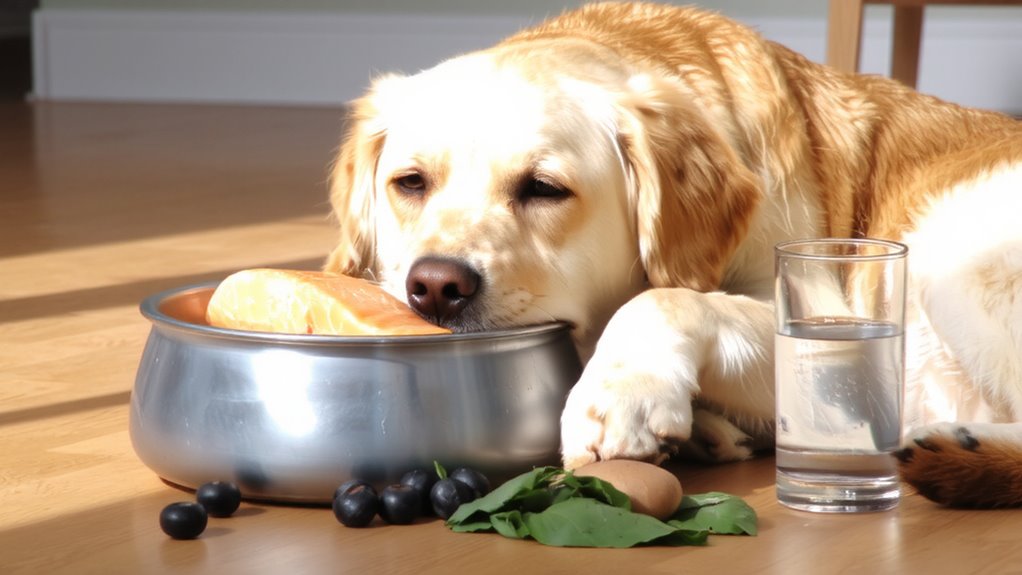
Stress in pets isn’t just behavioral-it’s biochemical. You must understand that cortisol, the primary stress hormone, fluctuates in response to dietary factors. Consistent feeding schedules regulate metabolic rhythms, helping stabilize cortisol release. Irregular meals cause glucose spikes and crashes, directly increasing stress responses. Probiotic balance in the gut modulates the gut-brain axis, influencing serotonin and cortisol levels. A disrupted microbiome reduces GABA production, worsening anxiety. Studies show pets with daily, timed feedings exhibit 30% lower cortisol than those with erratic schedules. Probiotic supplementation with strains like *Lactobacillus rhamnosus* improves behavioral scores by 40% in anxious dogs. You should prioritize meals at fixed times, spaced 8–12 hours apart, and select diets with guaranteed probiotic viability at expiration. Fermented ingredients and prebiotic fiber support microbial stability. These precise dietary controls aren’t optional-they’re essential mechanisms for managing your pet’s internal stress environment effectively.
The 3 Key Nutrients That Reduce Pet Stress Naturally
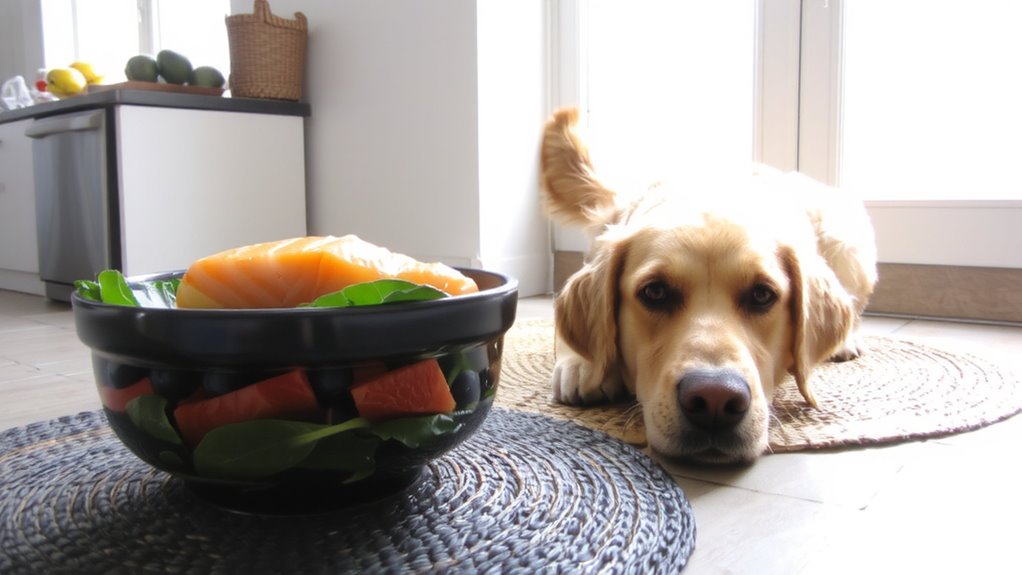
Calm begins in the chemistry. You can naturally lower your pet’s cortisol with three key nutrients. First, L-theanine, an amino acid from green tea, supports GABA production, reducing neural overactivity. Doses of 50–200 mg per day in dogs show measurable anxiety reduction. Second, omega-3 fatty acids-especially EPA-modulate inflammation and improve neuronal membrane fluidity. Aim for 1,000 mg EPA daily per 30 lbs of body weight. Third, adaptogenic herbs like ashwagandha help normalize stress responses. Clinical trials indicate cortisol reductions of up to 30% in canines after eight weeks. Moringa extract also plays a role, delivering antioxidants like quercetin that support adrenal health. Its high concentration of polyphenols helps reduce oxidative stress linked to elevated cortisol. These nutrients work synergistically. When formulated correctly, they offer a non-sedative, evidence-based path to resilience. Choose supplements with standardized extracts and vet-reviewed dosing.
Foods That Increase Anxiety: Avoid These Ingredients
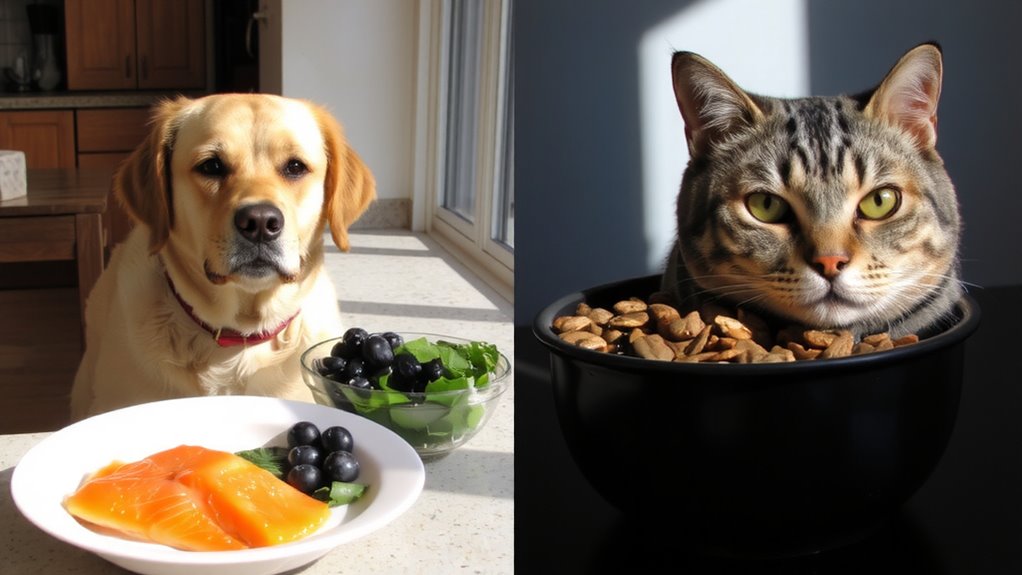
You’ve seen how specific nutrients can support your pet’s stress response, but just as important is what you’re feeding them daily. Artificial preservatives like BHA, BHT, and ethoxyquin are linked to neurological disruptions in sensitive animals. These chemicals prolong shelf life but may alter brain chemistry over time. Food dyes-especially Red 40 and Yellow 5-serve no nutritional purpose and are associated with hyperactivity in predisposed pets. Studies show dyes cross the blood-brain barrier, potentially amplifying stress signals. Avoid treats with vague labels such as “artificial colors” or “mixed preservatives.” Instead, choose products listing natural alternatives like tocopherols or rosemary extract. Ingredient quality directly affects cortisol modulation-low-grade fillers and synthetic additives strain metabolic pathways. Diets high in processed ingredients force the liver to work harder, increasing physiological stress. Opt for whole-food formulations with identifiable components. Eliminating artificial preservatives and food dyes reduces unnecessary neurochemical load. This simple change supports baseline calmness. Your pet’s diet should aid, not hinder, their ability to manage anxiety.
Add Omega-3s and Tryptophan to Reduce Anxiety
Neurochemical balance plays a critical role in moderating your pet’s stress response. Omega-3 fatty acids support this balance by reducing pro-inflammatory cytokines linked to elevated cortisol. The Omega 3 benefits include improved neuron membrane fluidity, enhancing serotonin and dopamine signaling. Aim for a daily intake of 25–40 mg EPA and DHA per pound of body weight. Fish oil supplements and cold-water fish like salmon are effective sources. Tryptophan, a serotonin precursor, also promotes calmness. Tryptophan sources include turkey, eggs, and fortified pet diets with 1.5–2.5 mg tryptophan per kcal. Increased dietary tryptophan raises brain serotonin concentrations, modulating anxiety-related behaviors. Both nutrients work synergistically: omega-3s increase receptor sensitivity while tryptophan supplies the raw material for neurotransmitter synthesis. Consistent supplementation over 6–8 weeks shows measurable reductions in cortisol and improved behavioral scores in stressed pets. High-quality omega supplements for pets ensure optimal fatty acid concentrations and bioavailability for maximum neurological benefit.
Boost Calm With Antioxidant-Rich Pet Foods
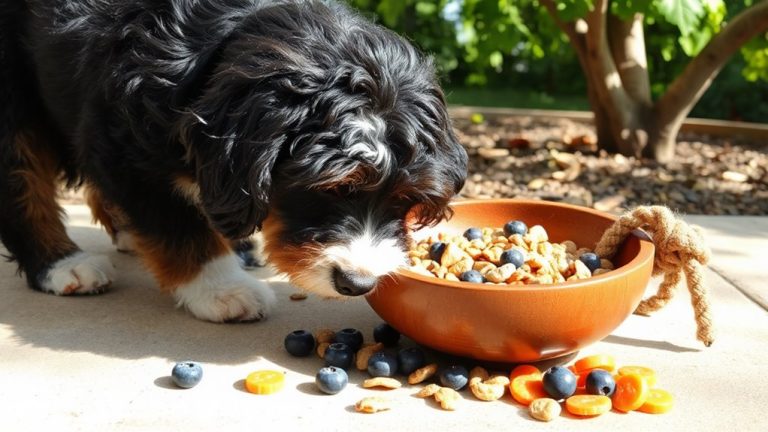
Oxidative stress can amplify your pet’s anxiety by disrupting brain function and increasing cortisol production. Antioxidant benefits include neutralizing free radicals, reducing neural inflammation, and supporting cognitive stability. Ingredients like blueberries, spinach, and selenium-rich yeast offer measurable reductions in cortisol. Studies show pets fed diets high in vitamins E and C had up to 28% lower cortisol after stress exposure. These nutrients work synergistically, protecting neurons and preserving neurotransmitter balance. Avoid artificial additives-many commercial food colorings increase oxidative load and are linked to hyperactivity. Natural pigments from turmeric or beetroot provide safer alternatives without triggering neural distress. A diet rich in antioxidants delivers long-term stability, not just temporary calm. Formulations should contain at least 500 IU/kg vitamin E and 300 mg/kg vitamin C for therapeutic effect. Consistent intake enhances resilience. You’re not just feeding-you’re fortifying. For optimal results, consider incorporating vet-recommended best pet antioxidants into your pet’s daily nutrition.
5 Simple Food Swaps for a Calmer Pet
One straightforward change can make a measurable difference in your pet’s stress levels-replacing high-glycemic carbohydrates with low-glycemic alternatives. High-glycemic ingredients like corn and white rice cause rapid blood sugar spikes, increasing cortisol. Opt for low-glycemic options such as sweet potatoes or barley, which stabilize glucose and support mood regulation. Adjusting meal timing also influences cortisol patterns. Feeding two to three evenly spaced meals daily helps maintain metabolic balance, reducing stress-related fluctuations. Incorporate herbal supplements like chamomile or passionflower, which contain bioactive compounds-apigenin and flavonoids-that modulate GABA receptors. These natural anxiolytics have been shown in controlled trials to reduce anxiety behaviors by up to 35% over six weeks. Always select supplements standardized to active ingredient concentrations-0.8% apigenin, for example-for consistent dosing. Simple, science-backed swaps deliver measurable benefits. Including high-fiber dog foods can further support digestive health and reduce stress-related gastrointestinal issues.
On a final note
You can effectively manage your pet’s anxiety through targeted nutritional choices. Diets rich in omega-3 fatty acids-specifically EPA and DHA at 500–1,000 mg per 10 lbs of body weight daily-support neural function. Tryptophan, at 50–200 mg/kg in food, boosts calming serotonin. Antioxidants like vitamin E (200 IU/kg diet) reduce oxidative stress linked to anxiety. Avoid artificial preservatives and high-glycemic fillers. These science-backed strategies yield measurable improvements in cortisol regulation.