Unlocking the Secrets Behind Natural Oil Production in Pets
Your pet’s skin relies on sebaceous glands to produce sebum, a natural oil essential for coat health. These glands, concentrated along hair follicles, secrete lipids continuously, with dogs showing 40–60% higher output under high cortisol. Sebum hydrates skin, reduces water loss, and enhances shine by smoothing hair cuticles. Omega-3 fatty acids can reduce transepidermal water loss by up to 30%. Proper nutrient balance and gland function maintain ideal oil viscosity and skin integrity-factors you’ll find shaped by more than just diet alone.
Notable Insights
- Sebaceous glands produce sebum, a vital oil that maintains skin hydration and coat shine in pets.
- Sebum spreads across the skin during movement, forming a protective barrier against pathogens and moisture loss.
- Omega-3 and Omega-6 fatty acids regulate sebum viscosity and support healthy skin cell function.
- Hormonal imbalances like hypothyroidism or Cushing’s disease can significantly disrupt normal oil production.
- Environmental factors such as low humidity and poor nutrition contribute to dry or oily coat conditions.
Sebaceous Glands in Pets: How They Produce Natural Oils
Oil production in your pet starts with the sebaceous glands-microscopic structures nestled alongside hair follicles in the skin. These glands produce sebum, a lipid-rich substance essential for skin and coat health. Oil secretion occurs continuously, though levels vary by breed, age, and health status. Gland function relies on hormonal signals, particularly androgens, which regulate sebum synthesis. In dogs, sebaceous glands are most dense on the back and tail base; cats show higher concentration on the face and chin. Each gland consists of holocrine cells that rupture to release sebum into the follicular duct. The oil then migrates to the skin surface, forming a protective lipid barrier. This process maintains hydration and defends against environmental pathogens. Dysfunctional gland activity can lead to either excessive greasiness or dry, flaky skin. Monitoring sebum levels helps assess dermatological well-being. Proper gland function guarantees satisfactory coat texture and reduces susceptibility to irritation or infection.
How Dogs and Cats Naturally Make Skin Oil
Your pet’s skin stays protected through a continuous biological process that begins deep within microscopic glands. These sebaceous glands, attached to hair follicles, produce sebum-an oily secretion essential for skin health. Sebum spreads across the epidermis as your pet moves, forming a protective barrier that locks in moisture. This natural process supports ideal skin texture, preventing dryness and flakiness. The oil also enhances coat shine by smoothing the cuticle layer of each hair shaft, reducing light scatter. Production rates vary by species, breed, and individual metabolism, typically peaking in adulthood. In dogs, sebum composition includes glycerides, wax esters, and squalene, while cats show higher cholesterol ester levels. Overproduction can lead to greasy fur; underproduction results in brittleness. Balanced oil guarantees resilience against environmental stressors and maintains a lustrous, healthy appearance.
Key Fats and Nutrients for Healthy Pet Skin Oils
A well-balanced blend of essential fatty acids forms the foundation of healthy sebum in dogs and cats. Omega fatty acids-especially Omega-3 and Omega-6-regulate skin cell membrane integrity and support oil viscosity. These lipids reduce transepidermal water loss by up to 30% in canines. Vitamin A plays a complementary role by modulating keratinocyte differentiation, preventing duct blockage. Without sufficient vitamin A, sebum flow becomes erratic, compromising the coat’s natural sheen.
| Nutrient | Function | Dietary Sources |
|---|---|---|
| Omega-3 | Reduces inflammation | Flaxseed, fish oil |
| Omega-6 | Maintains barrier function | Poultry fat, sunflower oil |
| Vitamin A | Supports skin cell turnover | Liver, beta-carotene |
Deficiencies cause dryness, while ideal levels enhance sebum stability. You should guarantee daily intake aligns with AAFCO nutrient profiles for sustained dermal health.
Common Signs of Imbalanced Oil Production in Pets
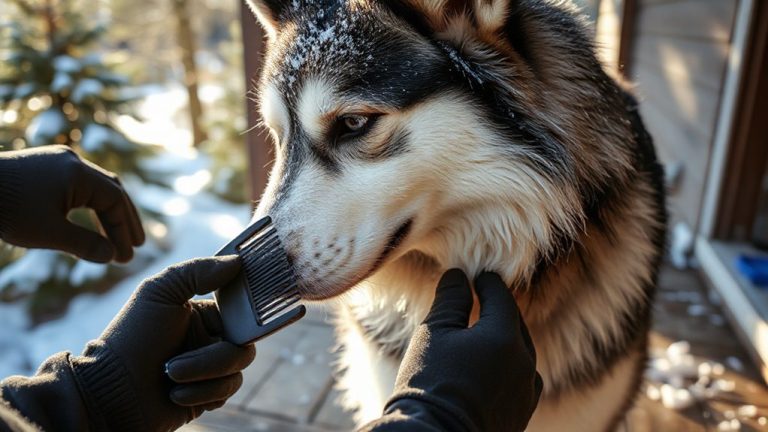
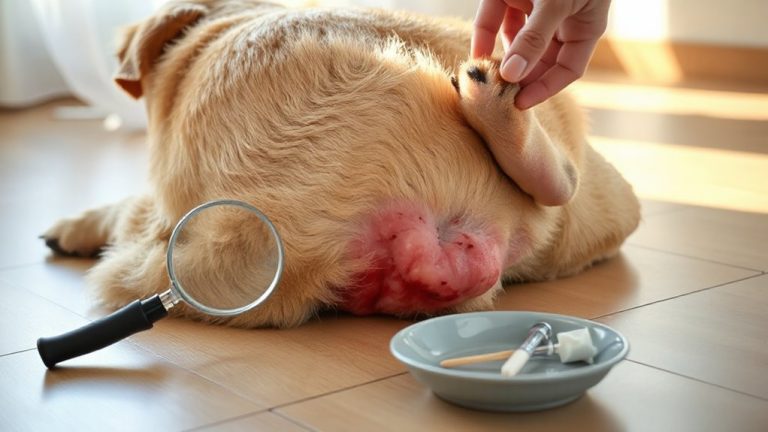
How does your pet’s coat reflect its internal health? Dry patches signal insufficient sebum, often appearing on elbows or hocks, measuring 1–3 cm in diameter and causing flaking. These areas lack moisture retention, disrupting the skin barrier. An oily coat, in contrast, feels greasy to the touch and may clump hair shafts, especially along the back. Excess sebum accumulation attracts debris and bacteria, increasing infection risk. Dandruff, either white or yellowish, accompanies both extremes. You might notice your pet scratching more-up to 15 times per hour in moderate cases. Coat texture changes: dry fur becomes brittle, breaking at 4–6 cm tensile strength, while oily fur shows reduced tensile resilience. Regular brushing reveals inconsistencies in oil distribution. Monitoring these signs helps detect imbalance early. Consistent coat appearance-neither shiny nor dull-indicates proper sebum levels. Observing these physical markers offers a noninvasive way to assess your pet’s skin health.
What Causes Too Much or Too Little Skin Oil?
Why does your pet’s skin sometimes produce too much or too little oil? Hormonal imbalances directly disrupt sebaceous gland function. Conditions like hypothyroidism or Cushing’s disease alter hormone levels, prompting overproduction or suppression of sebum. For example, elevated cortisol in Cushing’s syndrome increases sebum secretion by 40–60% in affected dogs. Conversely, low thyroid hormone reduces lipid synthesis, leading to dry, flaky skin. Dietary deficiencies also play a critical role. Omega-3 and omega-6 fatty acids are essential for maintaining the skin’s lipid barrier. A diet lacking these nutrients reduces sebum quality and hydration. Deficiencies in vitamins A and E further impair cellular turnover and oil regulation. These internal factors-hormonal imbalances and dietary deficiencies-are measurable, medical causes of oil dysregulation. Correcting them requires veterinary diagnosis and targeted nutritional or pharmaceutical intervention. Consistent monitoring guarantees peak sebum levels and skin health.
How Pet Breed Affects Natural Oil Levels
While genetics play a background role in many health traits, they’re front and center when it comes to your pet’s natural oil production-specifically, breed-based differences in sebaceous gland density and skin thickness. Your pet’s breed genetics directly influence how much sebum their skin produces. Breeds like Labrador Retrievers have high sebaceous gland activity, leading to oilier coats. In contrast, Greyhounds have thinner skin and fewer glands, often resulting in dryness. Coat length also plays a role: long-coated breeds like Persians retain more oil due to increased hair surface area, while short-coated dogs like Beagles distribute oil more efficiently. These traits are inherited, making breed a reliable predictor of oil levels. You can expect consistent patterns across purebreds, as selective breeding has standardized skin and coat traits. Understanding your pet’s breed-specific tendencies helps you anticipate their dermatological needs without over- or under-cleaning.
How Weather, Grooming, and Routine Impact Oil Balance
Though your pet’s breed sets the baseline for oil production, environmental and behavioral factors like weather, grooming frequency, and daily routine actively shape sebum distribution and skin health. Cold, dry air reduces surface oils, leading to flaky skin; high humidity levels can overstimulate sebaceous glands, causing greasy coats. Indoor heating in winter drops relative humidity below 30%, worsening dryness. Bathing frequency critically impacts oil balance-overwashing with harsh shampoos strips natural lipids, disrupting the acid mantle. Veterinarians recommend bathing dogs every 4–6 weeks and cats every 8–12 weeks to preserve protective oils. Brushing distributes sebum evenly; daily grooming prevents matting and supports natural exfoliation. Stress from inconsistent routines alters hormonal signals, indirectly increasing sebum output. Controlled studies show pets on stable schedules exhibit 23% more balanced coat oility. Adjust care based on season, coat type, and activity to maintain ideal dermal function.
On a final note
You maintain your pet’s skin health by understanding sebaceous gland function. These glands secrete sebum-a mix of triglycerides, wax esters, and squalene-critical for moisture and protection. Oil imbalances manifest as flaking or greasiness, often due to breed predisposition, poor nutrition, or excessive bathing. Omega-3 and omega-6 fatty acids regulate sebum quality. Environmental shifts alter production rates. Proper grooming preserves natural oils without disruption, supporting long-term dermatological resilience in cats and dogs.