Understanding Canine Ear Canal Health to Prevent Infections and Diseases
Your dog’s L-shaped ear canal traps moisture and debris, increasing infection risk. The vertical drop then sharp 90-degree turn limits drainage and promotes bacterial and yeast growth. Hair-lined canals and ceruminous glands retain wax, especially in breeds like Cocker Spaniels and Poodles. Clean every 1–2 months using a pH-balanced (5.5–7.0), alcohol-free solution. Avoid cotton swabs. Regular inspection helps catch redness, odor, or discharge early-key signs something needs attention.
Notable Insights
- The L-shaped dog ear canal traps moisture and debris, increasing infection risk due to poor drainage.
- Regular weekly inspections help detect early signs like redness, odor, or discharge before infections worsen.
- Use veterinarian-approved ear cleaners with a pH of 5.5–7.0 to safely maintain natural ear flora.
- Clean ears every 1–2 months, or monthly for high-risk breeds, to prevent wax and debris buildup.
- Breeds with floppy or hairy ears, like Cocker Spaniels and Poodles, need extra care due to reduced airflow.
How Dog Ears Work: and Why It Matters
Why do dog ears seem so prone to infections compared to human ears? The answer lies in their unique ear anatomy. Unlike the relatively straight human ear canal, a dog’s ear canal is L-shaped-vertical, then horizontal-making drainage difficult. This structure traps moisture, creating an ideal environment for pathogens. Ear anatomy directly impacts sound transmission. The pinna funnels sound into the vertical canal, then around the 90-degree bend toward the eardrum. Hair-lined canals and ceruminous glands further aid sound transmission but also retain debris. Because the horizontal canal runs deep, foreign particles and excess wax often accumulate. Proper airflow is limited, increasing infection risk. Understanding this anatomy helps explain why prevention is critical. Efficient sound transmission depends on a clear, dry canal. Knowledge of these mechanics guides effective cleaning and long-term ear care protocols.
Dog Ear Infection: Key Signs to Spot Early
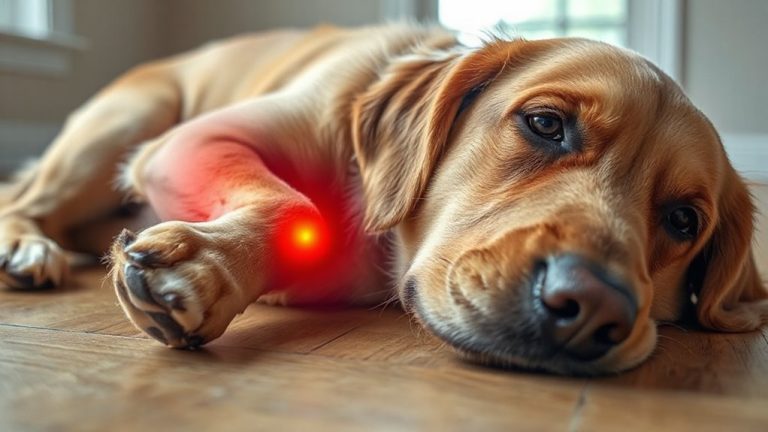
How can you tell if your dog’s ear health has taken a turn for the worse? Watch for subtle changes that signal an underlying issue. Discharge, head shaking, or excessive scratching are early warning signs. Perform a redness check regularly-healthy ear tissue is pale pink; infected areas appear inflamed, swollen, or dark red. Chronic irritation may lead to thickened epithelial tissue, reducing canal diameter over time. An ear odor often develops due to microbial overgrowth, particularly yeast (Malassezia pachydermatis) or bacteria like Pseudomonas aeruginosa. These pathogens thrive in warm, moist environments. A foul smell, even mild, indicates metabolic byproducts from colonization. Early detection improves treatment efficacy. Otoscopic exams reveal ceruminous buildup or erythema before symptoms escalate. Routine observation allows timely intervention, preventing progression to otitis externa or middle ear involvement. Stay vigilant-prompt response preserves long-term ear integrity. Over-the-counter treatments can provide relief, especially when used early, with best OTC dog ear infection remedies supporting symptom management and cleaning.
How to Clean Dog Ears at Home (Step by Step)
With clean hands and the proper tools, you can safely clean your dog’s ears at home. Begin by inspecting the ear canal for redness, odor, or excessive ear wax buildup. Use a veterinarian-approved ear cleaning solution-avoid alcohol-based products, which can irritate skin. Squeeze the solution into the ear canal until it’s visibly full, then massage the base for 20–30 seconds to loosen debris. Let your dog shake its head; this helps bring debris to the surface. Use gauze or cotton balls to gently wipe the outer ear and vertical canal. Never insert a cotton swab deep into the ear-it poses cotton swab risks like tympanic membrane damage or impacted wax. Clean only what you can see. Repeat as needed per ear. Proper technique reduces infection risks and maintains ear hygiene without trauma. For effective results, choose one of the best dog ear cleaners recommended by veterinarians.
How Often Should You Clean Your Dog’s Ears?
Frequency matters just as much as technique when it comes to maintaining your dog’s ear health. Overcleaning can irritate the ear canal; undercleaning raises the risk of ear wax buildup and infection. Cleaning frequency depends on your dog’s ear anatomy and lifestyle. Most dogs need cleaning every 1–2 months, but those with floppy ears or high sebum production may require monthly maintenance. Inspect ears weekly for redness, odor, or excess wax. Use an ear cleaner with a pH between 5.5 and 7.0 to maintain natural flora. Avoid cotton swabs, which can push debris deeper. Instead, use gauze or cotton balls to gently wipe the visible canal. Regular cleaning at appropriate intervals prevents chronic inflammation and supports long-term ear health. Adjust cleaning frequency based on vet recommendations and individual ear condition.
Is Your Dog’s Breed Prone to Ear Problems?
Why do some dogs seem to battle ear issues more than others? The answer lies in ear anatomy and breed genetics. Dogs with narrow, hairy canals or heavy floppy ears trap moisture, creating ideal conditions for infections. Your dog’s genetic background heavily influences these traits. Breeds like Cocker Spaniels, Basset Hounds, and Poodles have ear shapes that reduce airflow, increasing risk. Understanding your dog’s predisposition helps with prevention.
| Breed | Ear Type | Risk Level |
|---|---|---|
| Cocker Spaniel | Floppy, long | High |
| German Shepherd | Upright, narrow | Moderate |
| Poodle | Folded, hairy | High |
| Beagle | Long, drooping | High |
Ear anatomy variations due to breed genetics directly impact air circulation and wax accumulation. You can’t change genetics, but you can adjust care routines accordingly.
When to See the Vet for Dog Ear Issues
How can you tell when a dog’s ear issue goes beyond something you can manage at home? Persistent scratching or head shaking signals a problem. If you notice redness, swelling, or discharge, it’s time to act. Ear mites cause intense itching and dark, crumbly debris resembling coffee grounds. Left untreated, they lead to secondary infections. Odor from the ear canal indicates bacterial or yeast involvement. You might also see your dog tilting their head, a sign of inner ear imbalance. Hearing loss, even partial, suggests damage to the auditory pathway. Temporary or permanent, it requires immediate evaluation. Chronic infections cause thickening of the ear canal-stenosis-reducing airflow and increasing recurrence. Veterinary otoscopes allow visualization deep into the horizontal canal, beyond what home checks reveal. Cultures identify pathogens precisely. Don’t delay; early intervention prevents irreversible structural changes.
On a final note
You now understand your dog’s ear canal anatomy and its role in preventing infections. Proper airflow, wax management, and pH balance (typically 5.5–7.0) reduce pathogen growth. Regular inspection detects issues early. Clean only when necessary-overcleaning disrupts protective flora. Use vet-approved solutions with drying agents like isopropyl alcohol or acetic acid. Address breed-specific risks promptly. When in doubt, consult a veterinarian.