Hot Spots: Recognizing Signs, Symptoms, and Solutions for Canine Inflammation
Hot spots start when moisture in dense fur breeds bacteria like *Staphylococcus intermedius*, causing red, painful lesions that expand up to 2 cm per hour. You’ll notice hair loss, warmth, and itching, often behind ears or on the rump. Trim the area, apply sterile saline compresses, and use pure aloe vera gel. If the sore grows past 5 cm or shows pus, see your vet. Faster healing comes with proper care and uncovering hidden triggers.
Notable Insights
- Hot spots in dogs appear as red, moist lesions with hair loss, often behind ears or on the rump.
- Rapid lesion expansion occurs due to bacterial infection, commonly from Staphylococcus intermedius in moist fur.
- Flea bites, trauma from scratching, and high humidity are key triggers for hot spot development.
- Early care includes trimming fur, applying aloe vera, and using a cone to prevent licking.
- Seek veterinary help if the hot spot spreads, oozes pus, or shows no improvement in 48 hours.
What Causes Hot Spots in Dogs
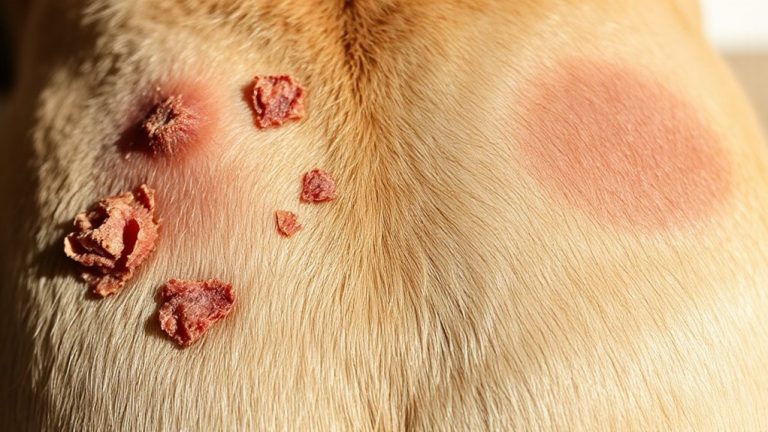
Why does your dog suddenly develop a raw, inflamed patch of skin that seems to spread overnight? Moisture trapped in dense fur creates an ideal environment for a bacterial infection. Staphylococcus intermedius is the most common pathogen involved. It proliferates rapidly in compromised skin. A minor wound or irritation can initiate the cycle. Flea bite hypersensitivity is a leading trigger. Even a single bite can provoke intense scratching. That trauma breaks the skin barrier. Your dog’s saliva introduces additional bacteria during licking. The lesion expands at an average rate of 1–2 cm per hour without intervention. Inflammation generates heat and serous exudate. This further saturates surrounding tissue. Secondary infection deepens dermal involvement. The area becomes painful and may emit an odor. Immediate epidermal compromise allows faster bacterial colonization. Flea bite reactions and bacterial infection together accelerate hotspot formation. Early mechanical and antimicrobial intervention is critical.
Spot Early Signs of Dog Hot Spots
You can stop a hot spot before it spreads if you catch it early. Look for red, moist skin lesions, typically 1–3 cm in diameter, with hair loss and localized warmth. These develop rapidly-often within 24 hours-due to inflammation and bacterial colonization. Behavior changes like excessive licking, scratching, or irritability signal discomfort. Your dog may favor one side or resist touch near the affected area. Early-stage hot spots emit a faint, musty odor due to *Staphylococcus intermedius* overgrowth. Check areas with dense fur and poor airflow: behind ears, under legs, and the rump. Environment factors such as humidity above 70%, flea exposure, or damp bedding accelerate onset. Allergens or trapped moisture create ideal conditions. Monitor daily after outdoor activity. Immediate disinfection and clipping reduce progression risk. Early detection limits infection depth to the epidermis.
Soothe Hot Spots at Home Fast
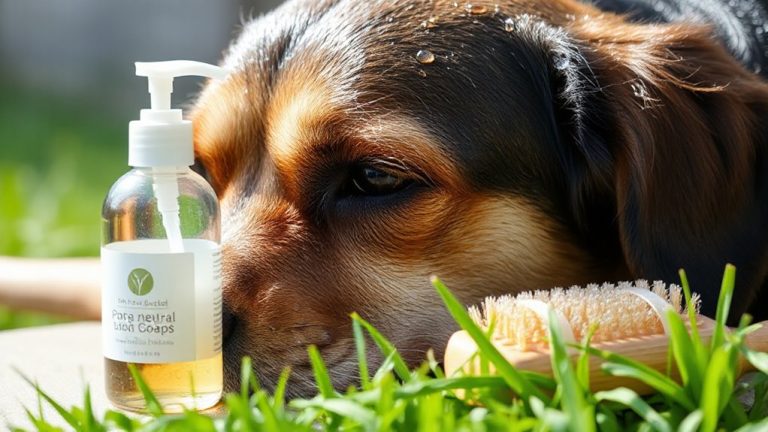
Your dog’s hot spot needs prompt care to prevent worsening. Start by trimming the hair around the affected area to allow air circulation and reduce moisture retention. Apply a cold compress for 10–15 minutes, two to three times daily, to reduce inflammation and provide immediate relief. Use a compress soaked in cool, sterile saline solution-avoid ice directly on the skin to prevent tissue damage. After drying the area thoroughly, apply pure aloe vera gel with no added alcohol or fragrances. Aloe vera contains acemannan, a compound proven to support skin healing and reduce irritation. Guarantee the product is 95–100% pure to maximize efficacy. Keep the site clean and dry, and prevent licking with an Elizabethan collar if needed. These steps reduce microbial proliferation and create a favorable environment for tissue repair.
When to Call the Vet for Dog Hot Spots?
How quickly should you act when a hot spot isn’t improving at home? Within 24 to 48 hours, lack of visible progress signals the need for vet consultation timing. Delay increases risk of deeper infection. Emergency indicators include rapid swelling, pus discharge, fever over 103°F (39.4°C), or spreading lesions exceeding 2 inches (5 cm) in diameter. Your dog may show lethargy or relentless licking, suggesting pain beyond topical control. Systemic involvement demands injectable antibiotics or oral antimicrobials, not home care alone. If the hot spot recurs in the same area, underlying conditions like allergies or hormonal imbalances likely exist. Immediate veterinary evaluation prevents tissue damage and secondary complications. Early professional intervention limits affected surface area, reducing healing time. Don’t wait-prompt vet consultation timing improves prognosis and prevents costly treatments.
Get Vet-Approved Hot Spot Treatments
Prompt veterinary assessment guarantees access to vet-approved hot spot treatments that halt progression and address root causes. Your vet may prescribe antibiotic ointments containing neomycin or fusidic acid to target bacterial infection, reducing inflammation and preventing secondary complications. These ointments are typically applied 2–3 times daily for 7–10 days directly on cleaned, clipped lesions. Topical sprays with chlorhexidine or mupirocin offer broader coverage, especially on large or multiple sites. They deliver antimicrobial agents uniformly, minimizing irritation during application. Most sprays are used 2–4 times per day; chlorhexidine solutions should be at a 2–4% concentration for efficacy. Treatment duration averages 5–14 days, depending on severity. Always follow dosage and application instructions precisely. Proper compliance guarantees maximum healing and reduces antimicrobial resistance risk. These vet-recommended interventions provide targeted, effective care.
Stop Recurring Hot Spots in Dogs
Why do some dogs keep getting hot spots despite repeated treatments? Because you’re treating the symptom, not the cycle. Recurrence often ties to poor immune support and imbalanced skin defenses. Chronic inflammation weakens the epidermal barrier, making your dog prone to bacterial colonization. You need consistent immune support-look for supplements with 250–500 mg of omega-3s (EPA/DHA) daily, proven to reduce inflammatory markers. Diet balance is just as critical. Feed a complete diet with a minimum 22% high-quality protein and balanced omega-6 to omega-3 ratios (ideal: 5:1 to 10:1). Avoid fillers like corn and soy, which trigger immune overreactions. A stable gut microbiome supports skin immunity; consider probiotics with at least 1 billion CFUs. These steps don’t just heal-they prevent. Address the internal environment, and hot spots lose their foothold. Adding digestive enzymes can further enhance nutrient absorption and reduce gut inflammation.
Fix Underlying Allergies Causing Hot Spots
You’ve addressed the internal environment, but if allergens remain unchecked, your dog’s skin will stay vulnerable. Allergies are a leading cause of hot spots, triggering inflammation and self-trauma. Identify and eliminate the source to prevent recurrence. Start with diet adjustment: switch to a hypoallergenic, limited-ingredient diet containing hydrolyzed proteins or novel sources like venison or duck. Conduct an 8- to 12-week food trial with no treats or supplements to assess improvement. For optimal results, choose a clinically proven hydrolyzed dog food that breaks down proteins to minimize immune reactions. Simultaneously, implement consistent flea prevention. Use products containing selamectin, fipronil, or spinosad, which kill fleas within 30 minutes to 4 hours. Monthly application is critical-even one bite can provoke an allergic reaction in sensitive dogs. Environmental allergens like pollen or dust mites may require allergen-specific immunotherapy. Testing via intradermal or blood assays helps pinpoint triggers. Addressing root causes stops the itch-scratch cycle at its source.
On a final note
You can manage dog hot spots effectively with prompt action. Early detection prevents bacterial overgrowth, typically from Staphylococcus intermedius. Clean the area with a 2% chlorhexidine solution and trim surrounding hair to 1 cm. Topical antiseptics reduce microbial load. If inflammation persists beyond 48 hours or spreads, seek veterinary care. Chronic cases often require oral antibiotics like cephalexin at 22 mg/kg every 12 hours. Address underlying allergies to prevent recurrence.