Treating Inflammatory Bowel Disease (IBD) in Cats With Prescription Diets and Immunosuppressants
You manage feline IBD with prescription diets and immunosuppressants to reduce gut inflammation and restore digestion. Start with a hydrolyzed protein diet-proteins broken down to <10,000 Daltons-or a novel protein like rabbit or duck. Commit to a strict 6–8 week food trial. If symptoms persist, your vet may add prednisolone at 1–2 mg/kg daily. Refractory cases might need chlorambucil or cyclosporine. Monitoring includes bloodwork every 3–6 months. There’s more to contemplate about long-term management.
Notable Insights
- Prescription diets like hydrolyzed or novel protein formulas are first-line therapy to reduce intestinal inflammation in cats with IBD.
- A strict 6–8 week food trial with no additional treats or foods is essential to assess dietary response.
- If dietary management fails, immunosuppressants such as prednisolone are initiated to control chronic gut inflammation.
- Treatment resistance or severe symptoms may require stronger agents like chlorambucil or cyclosporine under veterinary supervision.
- Regular monitoring with bloodwork every 3–6 months helps manage side effects and adjust immunosuppressive therapy long-term.
What Is IBD in Cats?
While you might confuse it with irritable bowel syndrome, IBD in cats-short for inflammatory bowel disease-is a distinct condition driven by chronic intestinal inflammation. This chronic intestinal disorder results in persistent feline gut inflammation, impairing nutrient absorption and intestinal motility. Unlike transient digestive upsets, IBD involves dense lymphocytic or eosinophilic infiltration of the gastrointestinal lining, confirmed via biopsy. The inflammation disrupts normal mucosal architecture, reducing villi height and compromising barrier function. You’ll find elevated cytokine levels, especially TNF-α and IL-1β, sustaining the immune response. It’s not infectious or dietary alone, though food antigens can exacerbate it. IBD affects all ages but is most prevalent in cats over 5. Diagnosis requires histopathology, ruling out parasites, bacterial overgrowth, or neoplasia. Left untreated, it leads to protein-losing enteropathy and severe weight loss. Management focuses on immunosuppression and dietary control to reduce feline gut inflammation and restore intestinal integrity.
Signs Your Cat Might Have IBD
Your cat’s chronic digestive issues may signal underlying inflammatory bowel disease. Persistent vomiting, diarrhea, and soft stools lasting over three weeks indicate intestinal inflammation. Abdominal pain often manifests as hunched posture, reluctance to be touched, or vocalization during handling. You might notice audible gut sounds or bloating due to gas accumulation from malabsorption. Weight loss occurs despite normal or increased appetite, reflecting caloric deficit from impaired nutrient uptake. Hypoalbuminemia may develop in severe cases, contributing to edema. Symptoms typically wax and wane, mimicking other gastrointestinal disorders. Diagnostic imaging may reveal thickened bowel loops, while histopathology confirms lymphocytic-plasmacytic infiltration. Early recognition improves long-term outcomes. Monitor frequency, stool consistency, and body condition closely. These clinical signs, combined with exclusion of parasites, infections, and hyperthyroidism, support an IBD diagnosis. Persistent signs warrant veterinary evaluation, including bloodwork and ultrasound.
Best IBD Diets for Cats: Hydrolyzed vs. Novel Protein
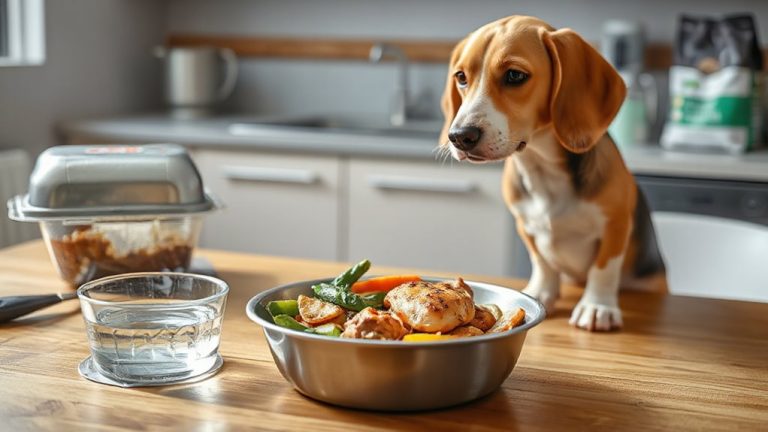
If you’re managing your cat’s inflammatory bowel disease, dietary intervention is often the first line of treatment, and selecting the right protein source is critical. Hydrolyzed protein diets break proteins into small peptides, reducing immune recognition and improving nutrient absorption. These diets use proteins like hydrolyzed soy or casein, with molecular weights typically below 10,000 Daltons, minimizing antigenic responses. Novel protein diets rely on uncommon sources like duck, rabbit, or venison, which your cat hasn’t been exposed to before. Both types require strict food trials lasting 6–8 weeks. During food trials, no other treats or foods can be given to guarantee accurate assessment. Hydrolyzed diets offer consistent results due to minimal immune reactivity, while novel proteins depend on dietary history. Choose based on your cat’s exposure, tolerance, and response. Effective diets support mucosal healing and restore normal nutrient absorption.
When Do Cats Need IBD Medication?
How do you know when diet alone isn’t enough for your cat’s IBD? If your cat shows persistent vomiting, weight loss, or chronic diarrhea after 6–8 weeks on a prescribed hydrolyzed or novel protein diet, treatment resistance may be present. At that point, medication is often necessary. You should also consider drug therapy if inflammation markers remain high on biopsy. While diet helps manage symptoms, it doesn’t always control immune system overactivity. Medications become essential when remission isn’t achieved. Though effective, these drugs can cause side effects like increased thirst or susceptibility to infection. Monitoring is vital. Consider the following indicators:
| Symptom | Frequency | Suggests Need for Meds |
|---|---|---|
| Daily vomiting | >2 weeks | Yes |
| Weight loss | >10% body wt | Yes |
| Chronic diarrhea | >6 weeks | Yes |
| Poor appetite | Persistent | Yes |
| Elevated liver enzymes | With IBD signs | Consider |
Choosing the right best cat food for sensitive stomachs can be a critical first step in managing IBD through dietary intervention.
Medications for Cat IBD: What Vets Prescribe
What options exist when diet alone fails to control feline inflammatory bowel disease? Your veterinarian may prescribe immunosuppressants like prednisolone, starting at 1–2 mg/kg orally once daily, to reduce intestinal inflammation. If inadequate, stronger agents such as chlorambucil (2–4 mg/m² every 48 hours) or cyclosporine (5–7 mg/kg once daily) might be used. These drugs modulate immune response but carry risks. Common side effects include vomiting, lethargy, and increased infection susceptibility. Long-term use requires monitoring bloodwork every 3–6 months. Drug interactions are critical-chlorambucil can potentiate bone marrow suppression when combined with certain antibiotics. Cyclosporine levels may rise with concurrent ketoconazole, increasing toxicity risk. You must closely follow dosing instructions and report any adverse changes promptly. Never adjust therapy without veterinary guidance-precision dosing and vigilance minimize complications while maximizing efficacy.
How to Tell If IBD Treatment Is Working
Why does it sometimes seem like your cat’s IBD treatment isn’t making a difference? Changes can be subtle, and improvement often occurs gradually over weeks. You should monitor for symptom improvement, such as reduced vomiting, less frequent diarrhea, and consistent stool quality. These signs indicate decreased intestinal inflammation. Appetite normalization is another positive marker. Weight stabilization is critical-most cats lose weight during flare-ups, so maintaining a steady body weight for three consecutive weeks suggests treatment efficacy. Use a digital scale weekly to track changes precisely; aim for less than 3% fluctuation. Blood work and fecal analysis at 4–6 weeks post-treatment start offer objective data. Always assess clinical signs alongside diagnostic results. Symptom improvement combined with weight stabilization strongly correlates with mucosal healing, even if your cat isn’t fully back to normal yet. Patience and consistent monitoring are essential.
Long-Term Care for Cats With IBD
You’ll need a consistent, structured approach to manage your cat’s IBD over the long term. Regular veterinary checkups every three to six months are essential to monitor disease activity and adjust treatment. Maintain a strict prescription diet tailored to your cat’s protein sensitivity-common options include hydrolyzed diets like Royal Canin Hydrolyzed Protein or Hill’s z/d. Diet rotation is not recommended during active disease, as it can disrupt gut health; however, after stabilization, limited rotation may help prevent nutrient imbalances and food aversion. Probiotics such as FortiFlora support gut health by promoting beneficial microbiota. Continue immunosuppressants like budesonide as directed, with gradual tapering only under veterinary supervision. Monitor stool consistency, weight, and appetite monthly. Persistent diarrhea or vomiting indicates poor remission. Long-term success hinges on adherence to medical protocols and close collaboration with your veterinarian.
On a final note
You manage feline IBD effectively with dietary and medical intervention. Hydrolyzed protein diets reduce antigen exposure by breaking proteins into non-reactive peptides. Novel protein diets use uncommon sources like duck or rabbit to avoid immune triggers. When diet alone fails, immunosuppressants like prednisolone-typically dosed at 1–2 mg/kg daily-are prescribed. Monitoring includes regular CBCs and serum chemistry. Treatment success is confirmed by clinical remission and mucosal healing on follow-up biopsy.