How to Transition a Dog From High-Fat Table Scraps to a Low-Fat, Balanced Diet
Switching your dog from table scraps to a low-fat diet reduces pancreatitis risk, especially in predisposed breeds. Start with a nutritionally balanced food containing 8–12% fat on a dry matter basis. Mix 25% new food with 75% old food for 2–3 days, increasing the new food by 25% every few days over 7–10 days. Use high-digestibility proteins and fiber sources; avoid fatty treats. You’ll discover effective strategies to manage picky eating and track progress.
Notable Insights
- Gradually introduce low-fat dog food by mixing 25% new with 75% old food, increasing over 7–10 days.
- Choose AAFCO-compliant, low-fat diets with 8–12% fat and highly digestible proteins like chicken meal or egg.
- Avoid table scraps to prevent exceeding daily fat limits and reducing pancreatitis risk, especially in predisposed breeds.
- Use low-sodium broth or rotate protein sources to encourage acceptance without adding fat or harmful ingredients.
- Monitor weight weekly and adjust portions to achieve 1–2% body weight loss, ensuring metabolic stability and healthy transition.
Why Table Scraps Harm Your Dog’s Health
Why risk your dog’s long-term health for a moment of shared table joy? Feeding table scraps introduces excessive fat and inconsistent nutrients. High-fat meals spike triglyceride levels, increasing pancreatitis risk-especially in predisposed breeds like Miniature Schnauzers. Pancreatitis causes painful inflammation, often requiring hospitalization. Table scraps also create nutrient imbalance, undermining AAFCO dietary standards. Commercial dog foods provide precise macronutrient ratios: 18–25% protein, 5–15% fat for adult dogs. Scraps disrupt this balance, leading to deficiencies or excesses. A single fatty bite can deliver over 50% of a small dog’s daily fat allowance. Over time, unregulated intake promotes obesity and metabolic stress. You’re not just sharing food-you’re altering internal biochemistry. Consistent, measured nutrition supports organ function and immune stability. Replace scraps with vet-approved treats containing <3% fat per serving. Prevention starts at the table-with you.
Is Your Dog Showing Signs of Fat-Related Issues?
How can you tell if your dog is struggling with fat-related health issues? Look for clear signs like recurring digestive discomfort, including vomiting, diarrhea, or excessive gas. These issues often arise after consuming high-fat meals. More seriously, watch for pancreatitis symptoms-lethargy, abdominal pain, persistent vomiting, and loss of appetite. Pancreatitis occurs when the pancreas becomes inflamed due to excessive dietary fat, especially from table scraps. Elevated serum lipase and amylase levels confirm diagnosis. Over time, chronic fat intake can lead to obesity, hepatic lipidosis, or insulin resistance. Your dog may show decreased activity or struggle with joint stress due to weight gain. Early detection improves prognosis. Monitoring meal composition and observing post-meal behavior helps identify triggers. A veterinary exam, including blood work and ultrasound, provides definitive assessment. Prompt action reduces complications. Recognizing these signs early guarantees timely dietary intervention.
Choose a Low-Fat, Balanced Dog Food
Selecting the right nutrition for your dog during a dietary shift involves more than just cutting fat-it requires balance and precision. Choose a commercial dog food with a fat content of 8–12% on a dry matter basis to support energy needs without overloading the pancreas. Look for formulations labeled as “low-fat” or “reduced-fat” that still deliver complete nutrient balance. These diets must contain all essential amino acids, vitamins, and minerals, particularly taurine and B-complex vitamins, to sustain organ function. Prioritize foods meeting AAFCO nutrient profiles for adult maintenance or sensitive digestion. Opt for those with highly digestible proteins like chicken meal or egg, paired with fiber sources such as beet pulp or rice bran. Avoid high-fat treats or mix-ins. A consistent nutrient balance guarantees metabolic stability, especially crucial when reducing dietary fat. Your dog needs reliable, measured nourishment-treat food like medicine, not a variable. For Boston Terriers, consider a formula designed for small breeds with sensitive digestion, such as those recommended in the best dog food for Boston Terriers.
Transition Your Dog’s Diet Gradually
While switching your dog to a new diet too quickly can disrupt digestion, a slow shift helps prevent gastrointestinal upset and supports long-term compliance. Begin by mixing 25% of the new low-fat food with 75% of the old diet for two to three days. Gradually increase the proportion of new food by 25% every few days. Maintain a consistent feeding schedule, offering meals at the same times daily to regulate metabolism and monitor intake. Use precise portion control, measuring food by weight or volume according to veterinary guidelines, to avoid overfeeding. A typical shift takes 7–10 days. This method supports digestive adaptation, minimizes stool changes, and establishes routine. Consistency in feeding schedule and portion control enhances nutrient absorption and reduces strain on the liver and pancreas. Monitor your dog’s body condition and adjust portions as needed. A gradual change guarantees dietary acceptance and metabolic stability.
Manage Picky Eating During the Switch
Why might your dog refuse the new low-fat food despite a proper change? Sudden shifts in fat content and flavor profile can deter acceptance, even with gradual changes. Dogs fed high-fat table scraps develop strong taste preferences, making low-fat options less appealing. To overcome resistance, introduce food variety by rotating between two or three veterinarian-approved, low-fat commercial diets with different protein sources-such as chicken, fish, and lamb-within the same nutrient profile. This minimizes dietary imbalance while increasing acceptance. Apply flavor masking strategically: briefly mix the new food with a no-fat broth or a 1/2-teaspoon serving of low-sodium beef or chicken bouillon (without onions or garlic) to enhance palatability. Remove uneaten food after 20 minutes to prevent reinforcement of picky behavior. Maintain consistent meal times and avoid supplementing missed meals with scraps.
Swap Treats Without Losing Trust
You’ve adjusted your dog’s main meals to meet low-fat requirements, but treats still pose a risk if they undo your progress. Swap high-fat scraps for vet-approved treat alternatives like dehydrated carrots, green beans, or commercially available low-fat dog treats containing less than 5% fat by dry matter. These options support trust building by maintaining positive reinforcement without compromising health. Use portion-controlled treats-no larger than 1 cm³ per 5 kg of body weight per day-to prevent caloric overload. Gradually introduce new treats over 7 to 10 days to avoid gastrointestinal upset. Choose products meeting AAFCO nutrient guidelines for dogs, with at least 18% crude protein and less than 10% crude fat. Consistency in timing and reward size strengthens behavioral conditioning. Treat alternatives aren’t just substitutions-they’re tools for long-term dietary adherence and trust building through reliable, healthy rewards. For a nutritious and convenient option, consider best dehydrated pet food that supports a low-fat, balanced diet.
Monitor Progress and Know When to Call the Vet
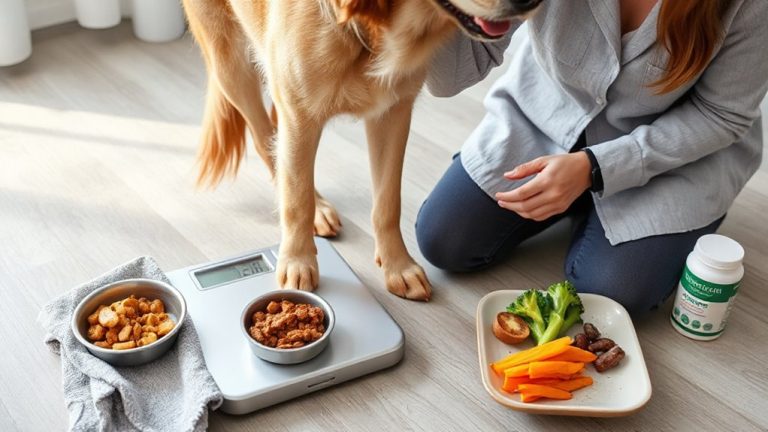
How do you know the new diet is working? Weight tracking provides measurable evidence of progress. Weigh your dog weekly using a calibrated pet scale, recording results to identify trends. A stable or gradual weight loss of 1–2% of body weight per week indicates appropriate caloric adjustment. Monitor stool quality, energy levels, and coat condition-improvements reflect digestive and metabolic adaptation. Schedule regular vet visits every 4–6 weeks during shift. These visits allow blood work evaluation, including lipid and liver enzyme levels, guaranteeing organ function remains within normal ranges. If diarrhea persists beyond 72 hours, or if lethargy, vomiting, or rapid weight change occurs, contact your vet immediately. Consistent weight tracking combined with professional vet visits guarantees the dietary shift supports long-term health without compromising nutritional needs. Early detection of issues prevents complications.
On a final note
You’ve taken the right steps to protect your dog’s long-term health. Shifting from high-fat scraps to a balanced, low-fat diet reduces risks of pancreatitis and obesity. Use a commercial dog food with fat content below 12% on a dry matter basis. Gradually blend the old and new diets over 7–10 days. Monitor stool, energy, and weight. Consult your veterinarian if symptoms persist.