Interdisciplinary Consultations Required Before Treating Epileptic Pets in Hydrotherapy
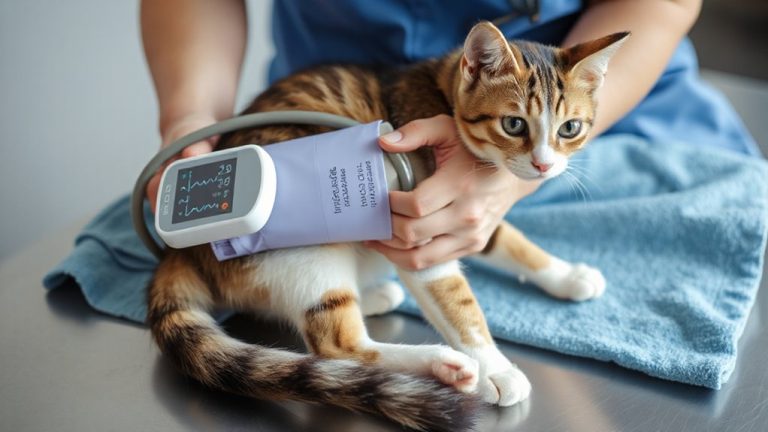
You need input from a veterinary neurologist, rehabilitation specialist, and behaviorist before starting hydrotherapy. Water immersion risks seizure triggers through temperature shifts, sensory input, and buoyancy changes. Neurologists assess EEG patterns and AED levels. Rehab experts design safe, supported exercise with 30–60% weight support. Behaviorists reduce stress using desensitization. Together, they set clear safety thresholds-learn how each specialist shapes your pet’s protocol.
Notable Insights
- A veterinary neurologist must assess seizure frequency and neural excitability before hydrotherapy clearance.
- Serum antiepileptic drug levels should be verified to ensure therapeutic concentrations prior to treatment.
- The primary veterinarian and hydrotherapist must jointly approve the treatment plan for safety and coordination.
- EEG evaluation is required to detect subclinical abnormal activity, even in clinically seizure-free pets.
- Owners must provide updated seizure logs and consent to epilepsy-specific risks before each session.
How Epilepsy Increases Hydrotherapy Risks
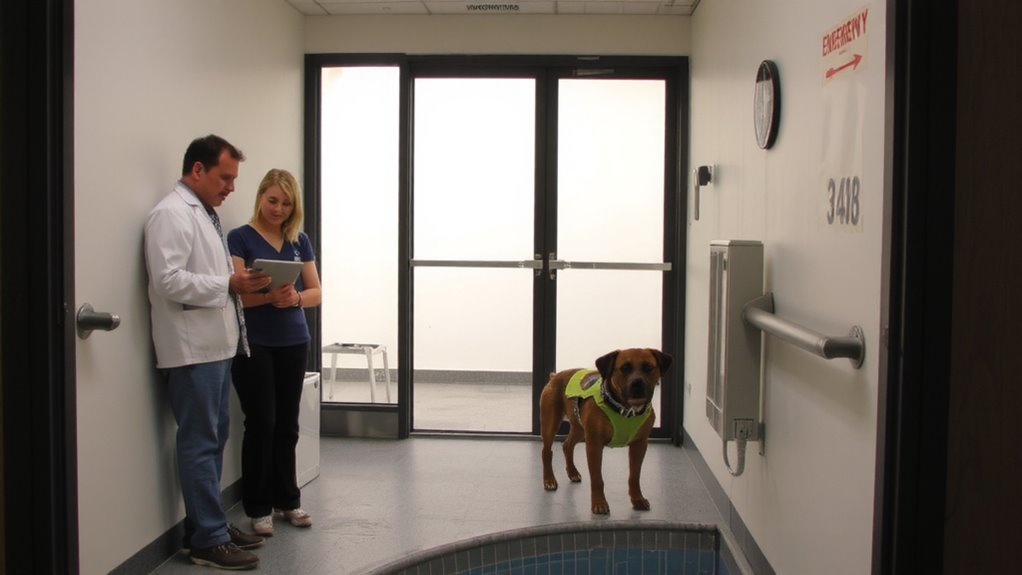
While hydrotherapy offers therapeutic benefits for many pets, treating epileptic animals requires special precautions due to the heightened risk of seizure activity in water. Epileptic pets are especially vulnerable to changes in water temperature, which can alter neurological function. Maintain water between 82°F and 86°F (28°C–30°C) to stabilize core body temperature and reduce thermal stress. Sudden shifts in sensory stimulation-such as bright lights, loud sounds, or rapid water movement-can lower seizure thresholds. Use subdued lighting and quiet water jets to minimize input. Hydrotherapy pools must have non-slip surfaces and immediate exit access. Constant supervision is mandatory; a seizure underwater risks drowning. Monitor heart rate and respiration pre- and post-session. Avoid prolonged sessions-limit to 10–15 minutes. Even controlled environments can trigger neurological events. You must prioritize safety over therapeutic gain when managing epileptic patients in aquatic settings.
Can Seizures Be Triggered by Water Therapy?
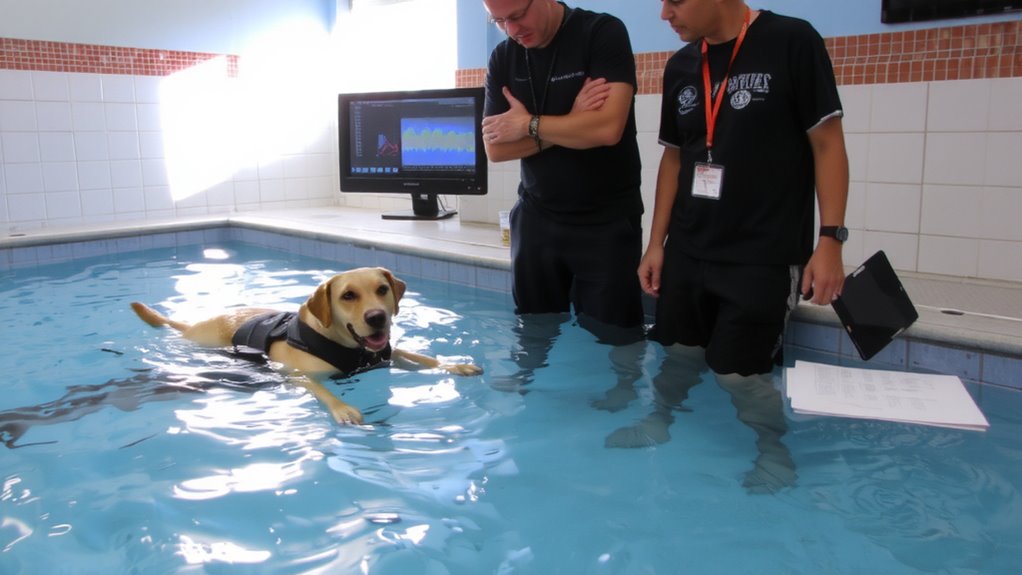
Seizures can be triggered by water therapy under certain conditions, particularly in epileptic pets with heightened neurological sensitivity. You must monitor water temperature closely, as extremes can dysregulate neural activity. Ideal ranges are 28–32°C (82–90°F), minimizing thermal stress. Sudden shifts greater than 2°C within five minutes may provoke abnormal discharges. Buoyancy effects alter postural control, increasing sensory input to the central nervous system. This reduced gravitational load improves mobility but may overstimulate compromised neural circuits. Submersion depth influences buoyancy, with torso-level immersion providing 60–70% body weight support. You should avoid rapid changes in support levels. Hydrostatic pressure from immersion can also affect cerebral perfusion, though data remains limited. You must assess response during initial sessions using video monitoring and heart rate variability. Sessions exceeding 15 minutes show higher risk correlation. You’ll need controlled variables to guarantee safety. Always prioritize individualized protocols.
How Neurologists Evaluate Seizure Risk
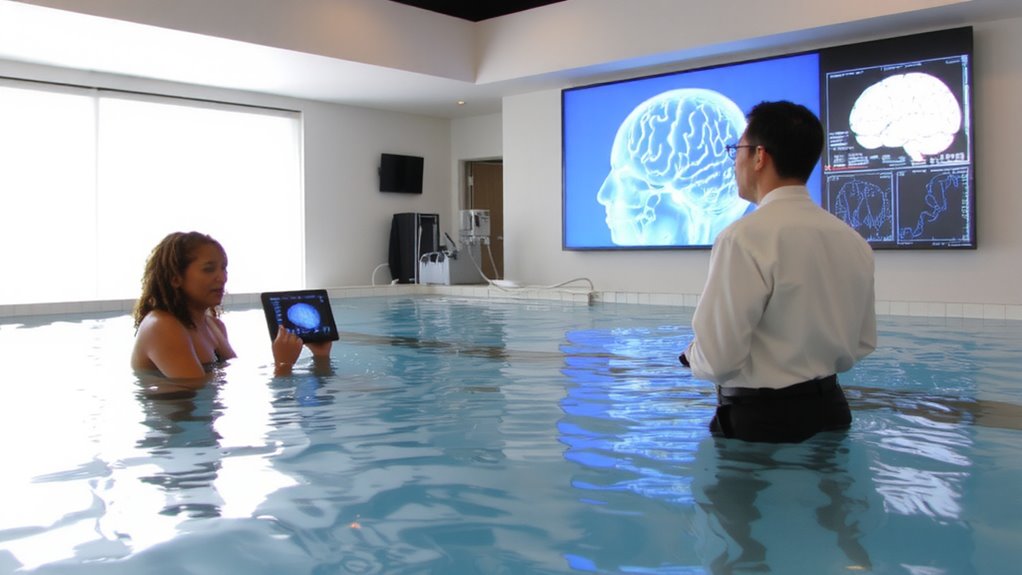
If you’re managing a pet with epilepsy, understanding how neurologists assess seizure risk in hydrotherapy is essential. They analyze neural excitability and seizure thresholds to determine safety. Increased neural excitability lowers seizure thresholds, raising the likelihood of episodes during sensory stimulation like water movement.
| Factor | Measurement | Clinical Relevance |
|---|---|---|
| Interictal spikes | EEG frequency (Hz) | Indicates baseline hyperexcitability |
| Seizure frequency | Episodes per month | Guides risk stratification |
| Medication levels | Serum antiepileptic drug (AED) concentration | Confirms therapeutic range |
Neurologists use these metrics to evaluate whether hydrotherapy could provoke seizures. Low seizure thresholds demand greater caution. EEG data helps detect abnormal activity even when pets appear stable. Accurate AED levels confirm suitable neural stability before any intervention. Your pet’s neurological profile must be thoroughly assessed to minimize risk.
How Rehab Specialists Prevent In-Water Injury
Typically, rehab specialists take proactive steps to minimize in-water injury during hydrotherapy for epileptic pets. You monitor water temperature closely, maintaining it between 80°F and 86°F to prevent thermal stress and reduce seizure triggers. Deviations beyond this range can increase neurological irritability. You use underwater treadmills with adjustable current speeds, allowing controlled movement while minimizing fall risk. Buoyancy control is critical-you adjust flotation devices to support 30% to 60% of the pet’s body weight, depending on size and condition. This reduces joint loading and prevents uncontrolled submersion if muscle tone fluctuates. You position safety harnesses with quick-release mechanisms, ensuring rapid extraction if needed. Pool edges are padded, and non-slip surfaces are standard. You conduct sessions in shallow zones initially, typically 12–18 inches deep, to maintain stability. Continuous visual monitoring is non-negotiable.
How Behaviorists Reduce Anxiety and Stress
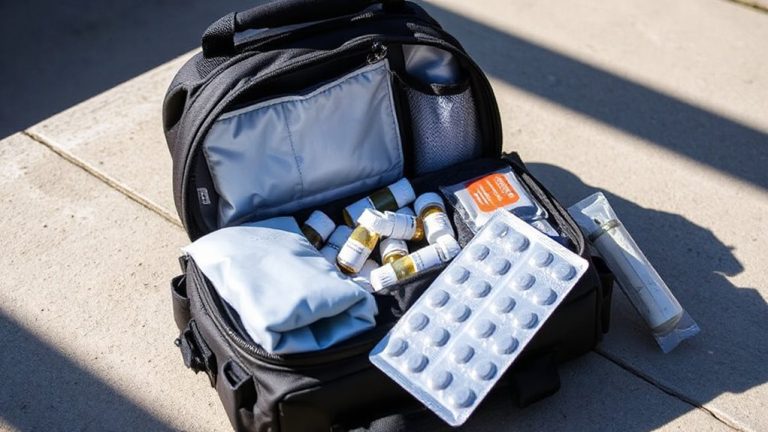
You manage physical safety in the pool, but controlling anxiety is just as important for epileptic pets during hydrotherapy. Behaviorists use positive reinforcement to build confidence through consistent, reward-based learning. Treats, verbal praise, or clicker signals follow calm behaviors, reinforcing relaxation during water entry and session progression. Sessions start with dry simulations to acclimate pets, reducing fear-driven responses. Environmental enrichment plays a key role-visual barriers reduce overstimulation, while non-slip surfaces and familiar scents enhance perceived safety. Auditory cues are minimized; ambient noise stays below 45 decibels to prevent sensory overload. Dogs exhibit 30–50% lower cortisol levels when routines include structured enrichment. Desensitization protocols last 2–4 weeks, with progress tracked using standardized anxiety scales. Each stimulus-water sound, buoyancy, touch-is introduced incrementally. You apply these techniques systematically, ensuring emotional stability supports neurological safety throughout treatment. Including a well-stocked pet travel first aid kit ensures immediate care is available if unexpected stress-related symptoms arise during transport to hydrotherapy sessions.
Designing a Team-Based Treatment Plan
How do you guarantee every facet of an epileptic pet’s hydrotherapy is both safe and effective? You implement a team-based treatment plan rooted in consistent treatment coordination. Veterinary neurologists, rehabilitation specialists, and behaviorists collaborate to define seizure thresholds, determine session duration, and set safe water temperatures between 80–85°F. Each team member contributes specific expertise to adjust resistance levels and buoyancy aids according to the pet’s condition. Client education assures owners understand monitoring protocols, recognize pre-ictal behaviors, and adhere to scheduled rest intervals. You establish clear communication channels using shared digital records to update progress and modify plans in real time. You standardize session length at 10–15 minutes to minimize overstimulation. This structured approach reduces complications by aligning medical history, seizure frequency, and mobility goals into one cohesive protocol. Team input and continuous adjustments maintain therapeutic precision.
When to Pause Hydrotherapy for Seizure Safety
When should hydrotherapy stop to protect an epileptic pet? Pause treatment immediately if seizure activity occurs or if your pet shows pre-ictal signs like restlessness or disorientation. Elevated water temperature above 90°F (32°C) increases metabolic demand and may lower seizure threshold-monitor thermoregulation closely. Keep water temperature between 80–86°F (27–30°C) to minimize neurological stress. Reduce session duration to 10–15 minutes for epileptic animals, especially during initial therapy phases. Shorter sessions decrease fatigue and sensory overload, both potential seizure triggers. Always observe your pet continuously during immersion. If seizures occur, discontinue hydrotherapy until veterinary neurologic reevaluation is completed. Resume only with updated clearance from your veterinarian and therapy team. Adjust protocols based on individual seizure frequency, medication stability, and tolerance. Safety overrides therapeutic benefit when risks are uncontrolled.
On a final note
You must consult specialists before starting hydrotherapy for epileptic pets. Neurologists assess seizure frequency and triggers using EEG and MRI data. Rehab veterinarians modify water temperature, depth, and session duration to minimize risks. Behavioral experts address stress with acclimation protocols. Team coordination guarantees real-time response plans. Treatment pauses if seizure activity increases. Safety hinges on interdisciplinary oversight and precise, individualized protocols.