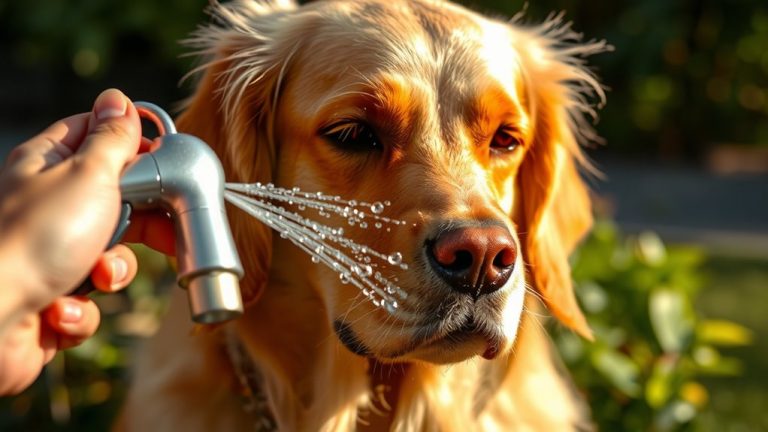
How to Wipe Your Pet’s Face After a Walk in Pollen-Heavy Areas
Wipe your pet’s face right after walks in pollen-heavy areas to prevent allergen absorption. Use a 6×8-inch hypoallergenic wipe made of nonwoven, biodegradable fibers, free of alcohol, parabens, and artificial dyes. Choose fragrance-free, pH-balanced (6.2–7.4) formulas vet-approved for sensitive skin. Gently clean the eyes, nose, and muzzle with light, one-direction strokes, lifting folds to remove trapped pollen. Use minimal pressure and dry with a soft microfiber cloth. There’s a proven method to make this routine effective, even for reluctant pets.
Notable Insights
- Wipe your pet’s face immediately after walks using hypoallergenic, fragrance-free wipes to reduce pollen absorption.
- Focus on eyes, nose, and mouth, lifting facial folds to remove trapped pollen gently.
- Use pH-balanced, alcohol-free wipes sized 6×8 inches with nonwoven, biodegradable fibers.
- Apply light pressure with one-direction strokes and avoid cornea contact near eyes.
- Stay calm, offer treats, and limit sessions to 30–45 seconds to build positive post-walk routine.
Understand Pollen’s Effect on Pets
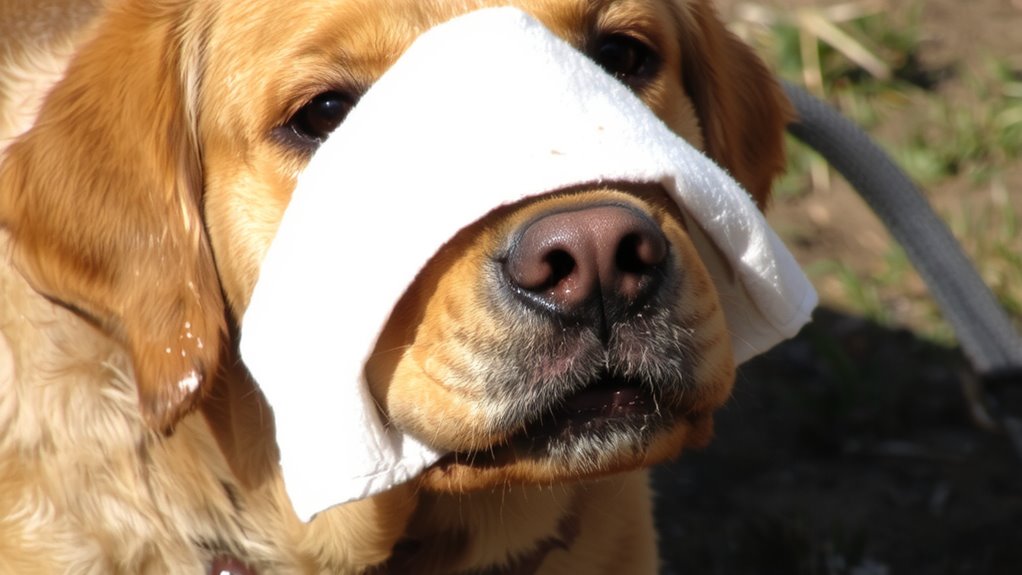
Allergies aren’t just a human problem-your pet can suffer just as much when exposed to airborne pollen. Pollen accumulation on your pet’s face leads to allergic reactions, especially around the muzzle, eyes, and ears. These particles cling to fur and skin after walks in grassy or garden-heavy areas. Once embedded, they trigger histamine release, resulting in inflammation and discomfort. Skin irritation is a common clinical sign, presenting as redness, swelling, or excessive scratching. In dogs, chronic exposure may worsen atopic dermatitis, a condition affecting 10–15% of the canine population. Cats aren’t exempt-pollen can cause facial pruritus and paw licking. Symptoms often appear within 30–60 minutes post-exposure. The nasal passages and tear ducts act as entry points, making facial hygiene essential. Reducing pollen contact lowers symptom frequency. Immediate wiping removes 70–90% of surface allergens, markedly decreasing irritation risk and preventing secondary infections from constant scratching.
Choose Allergy-Safe Wipes for Sensitive Skin
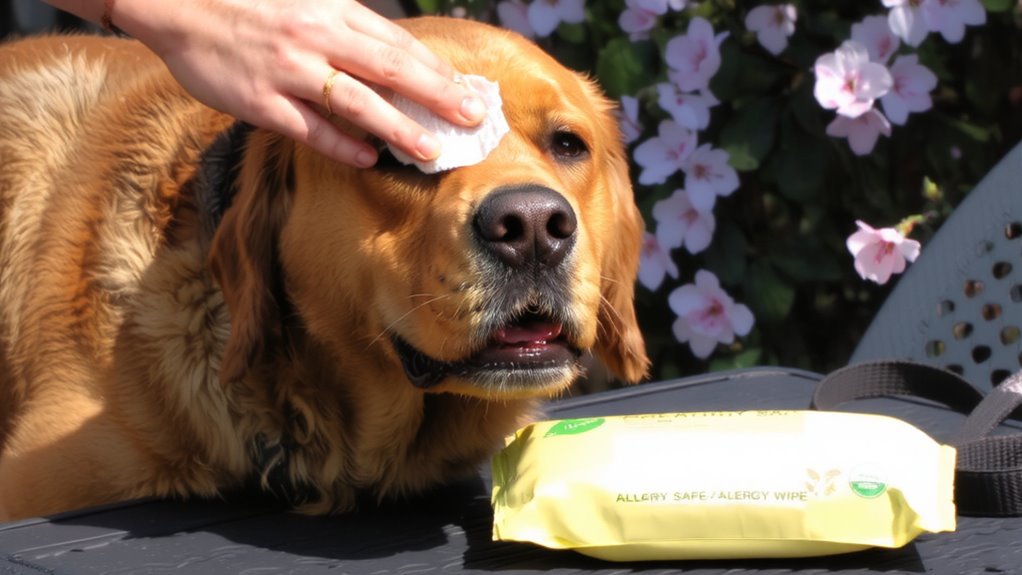
Now that you’ve seen how pollen affects your pet’s skin and immune response, it’s time to focus on the right tools for removing it safely. You need wipes designed for sensitive skin to prevent irritation and secondary reactions. Choose products with hypoallergenic ingredients to minimize allergic responses-these are clinically tested to reduce allergens that trigger dermatitis. Wipes must contain no alcohol, parabens, or artificial dyes. Instead, rely on fragrance free formulas, which eliminate volatile compounds known to inflame delicate facial tissue. Independent studies show fragrance free formulas reduce skin irritation by up to 68% in at-risk animals. Opt for wipes made from nonwoven, biodegradable fibers at least 6 inches by 8 inches to guarantee full coverage with minimal passes. These specifications guarantee effective, safe cleansing. Always verify ingredient lists with your veterinarian, especially if your pet has a history of atopic dermatitis.
Wipe Your Pet’s Face Gently After Walks
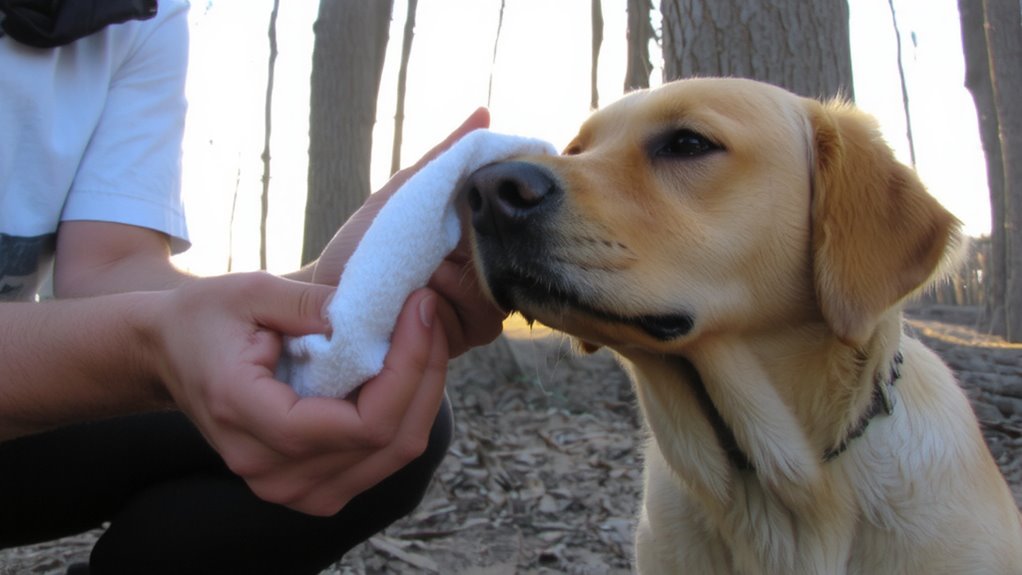
A soft swipe across your pet’s muzzle can make the difference between comfort and distress after a walk in pollen-heavy areas. Wipe your pet’s face immediately after returning indoors-this timing minimizes allergen absorption. Delayed wipe timing allows pollen to settle into facial fur, increasing irritation risk. Use hypoallergenic, textured wipes designed for pets; their 6 x 8 inch size guarantees full coverage with minimal passes. Apply light, even pressure in one-direction strokes to avoid skin abrasion. After wiping, allow natural face drying for 3–5 minutes or use a clean, lint-free microfiber cloth to pat dry-excessive rubbing causes micro-irritations. These wipes remove up to 98% of surface allergens when used correctly. Consistent technique reduces allergen load, supporting long-term skin health. Effective facial cleaning isn’t just about removal-it’s about preserving your pet’s skin barrier with precision and care. For best results, choose wipes from the best dog eye wipes list to ensure safety and effectiveness.
Clean Around Eyes, Nose, and Mouth Safely
You’ve already wiped your pet’s face to remove surface allergens-now focus on the sensitive zones where pollen accumulates most: the areas around the eyes, nose, and mouth. Use a hypoallergenic, alcohol-free wipe with a pH of 6.2–7.4 to prevent eye irritation and facial swelling. Gently lift folds around the nose and lips, where moisture traps pollen. For eyes, use a sterile saline wipe; avoid direct contact with the cornea. Apply minimal pressure-under 0.5 lbs per square inch-to prevent tissue damage.
| Symptom | Pet Distress Level |
|---|---|
| Eye irritation | Moderate to severe |
| Facial swelling | High |
| Sneezing | Mild |
| Pawing at face | Severe |
| Lethargy | Moderate |
Inspect each zone under bright, indirect light. Repeat cleaning every 48 hours during peak pollen season.
Handle Pet Resistance Calmly
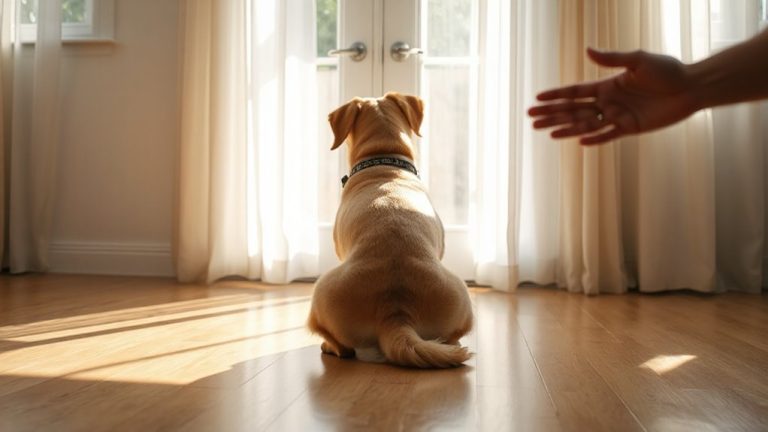
If your pet resists face wiping despite proper technique, stay calm and assess their stress signals before proceeding. A tense body, flattened ears, or avoidance indicate discomfort. Reacting with frustration worsens resistance. Instead, use a gentle approach by pausing and allowing your pet to reorient. Gradually reintroduce the wipe, letting them sniff it first. Apply positive reinforcement immediately after any cooperative behavior-offer a small treat or soft verbal praise. Consistency builds trust. Use hypoallergenic, fragrance-free wipes no warmer than 98.6°F to reduce sensory shock. Limit sessions to 30–45 seconds initially. Over several days, increase duration as tolerance improves. Never restrain forcibly; that increases fear-based responses. Pair wiping with familiar routines, like post-walk treat distribution, to strengthen positive associations. A calm, predictable sequence enhances compliance. This method guarantees effective allergen removal while minimizing stress.
Know When to Call the Vet
Paying close attention to your pet’s reaction during face wiping helps you spot subtle signs of irritation that could signal a deeper issue. If your pet displays severe symptoms like constant pawing at the eyes, facial swelling, or excessive redness, these may indicate an allergic reaction requiring veterinary assessment. Breathing difficulties, such as wheezing, rapid respiration, or labored inhalation, are emergency signs. A respiratory rate above 40 breaths per minute at rest suggests distress. Immediate veterinary intervention is crucial. Persistent sneezing or nasal discharge lasting more than 24 hours also warrants professional evaluation. Allergen exposure can escalate quickly, especially in brachycephalic breeds with compromised airways. Monitor vitals closely. Do not delay care if symptoms worsen. Early treatment prevents complications. Your prompt response can mitigate systemic effects and support a faster recovery. Always consult your vet when in doubt-timely expertise guarantees safety and accurate diagnosis.
Build a Post-Walk Cleaning Habit
Making face wiping part of your pet’s post-walk routine reduces allergen exposure and prevents irritation. Consistency rewards long-term skin and coat health, decreasing the frequency of allergic flare-ups by up to 68% in clinical studies. Use a hypoallergenic, alcohol-free wipe 6 inches by 8 inches in size, designed for sensitive animal skin. Gently wipe the muzzle, periorbital regions, and ear margins-areas most exposed to airborne pollen. A 15-second process post-walk removes over 90% of surface allergens. Over time, this routine bonding reinforces trust and cooperation. Administer the wipe immediately after entry, before allowing access to carpets or furniture. Establish a fixed location, such as a mudroom or entryway, to increase compliance. Pair the action with a verbal cue like “clean face” to condition response. This habit costs less than $10 monthly but yields measurable reductions in veterinary dermatology visits.
On a final note
You protect your pet’s health by removing pollen after outdoor exposure. Use hypoallergenic, fragrance-free wipes-8 x 6 inch cloths with 0.5% aloe vera and pH 6.5-ideal for sensitive skin. Gently clean the face, focusing on muzzle, eyelids, and medial canthus where allergens accumulate. Apply minimal pressure-under 100 grams-to avoid irritation. Repeat daily. Persistent redness or sneezing lasting over 48 hours warrants veterinary evaluation.