Hydration Safety for Pets With Urinary Incontinence
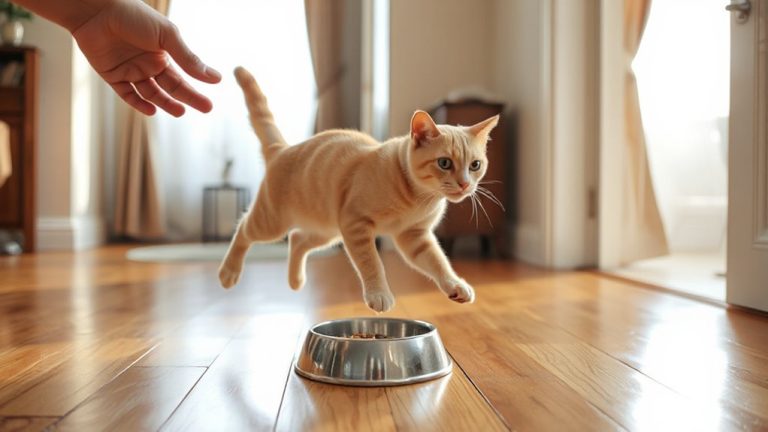
You must time water carefully to reduce incontinence accidents. Offer 50–60 ml/kg daily in measured portions every 4–6 hours. Restrict intake 1.5–2 hours before bed to minimize nighttime leaks. Use calibrated bowls and track intake to avoid overhydration, which risks electrolyte imbalances. Pair controlled hydration with leak-proof incontinence wear rated for 60ml, made of antimicrobial polyamide-elastane. Monitor gum moisture and skin elasticity daily. Proper management cuts urgency episodes markedly-consistency enables better control.
Notable Insights
- Offer measured water portions 3–4 times daily to maintain hydration without increasing incontinence accidents.
- Restrict water access 1.5–2 hours before bedtime to reduce nighttime leakage risks.
- Use calibrated bowls to monitor intake and aim for 50–60 ml/kg body weight daily in dogs.
- Choose leak-proof incontinence wear with high fluid resistance and a secure, comfortable fit.
- Check for dry gums, sunken eyes, or slow skin recoil to catch dehydration early in incontinent pets.
Time Water to Reduce Incontinence Accidents
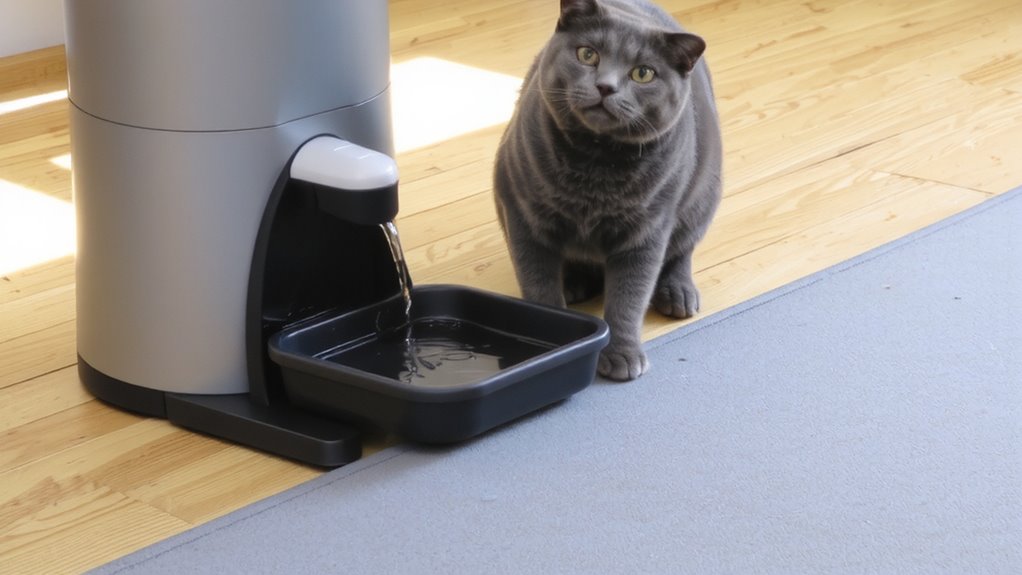
When should you schedule your pet’s water intake to minimize accidents? Use timed watering to maintain hydration while reducing incontinence episodes. Offer water in controlled amounts at consistent times, typically three to four times daily. Avoid unrestricted access, especially two hours before bedtime. Timed watering helps regulate urine production. Pair this with scheduled breaks-take your pet outdoors every 3–4 hours. These breaks support bladder control and reinforce routine elimination. Adult dogs typically produce 20–40 ml of urine per kg of body weight daily; timing intake reduces volume during rest periods. For a 10 kg pet, that’s 200–400 ml of urine daily, manageable with structure. Scheduled breaks align with circadian rhythms, when animals naturally eliminate. Consistent timing improves predictability. Do not limit water excessively-dehydration elevates urinary crystal risk. Monitor intake volume using a calibrated measuring cup. Adjust based on activity, ambient temperature, and health status. Timed watering and scheduled breaks together form a practical, non-invasive management strategy.
Pick Leak-Proof Incontinence Wear for Comfort
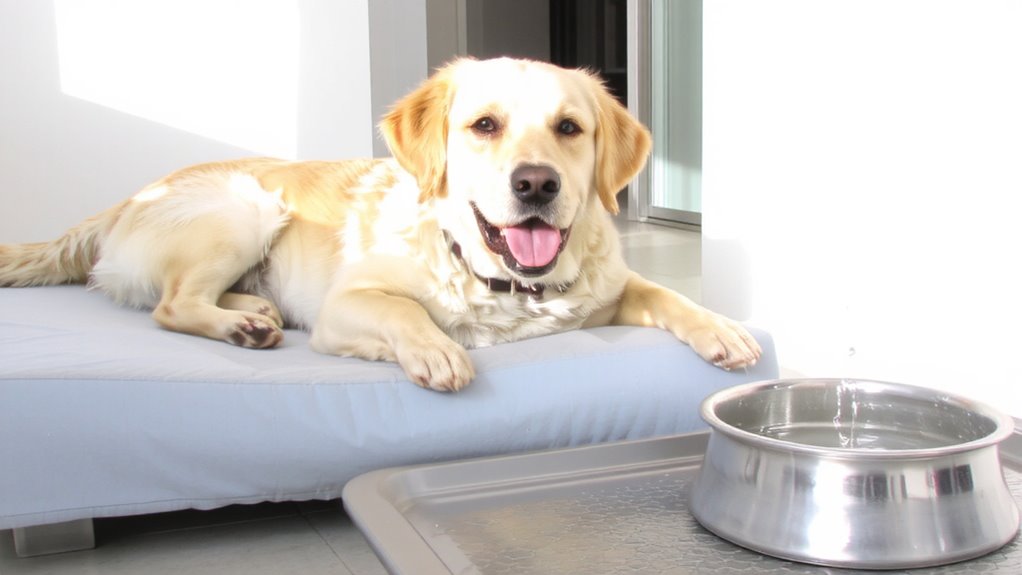
Although managing urinary incontinence can challenge both pet and owner, selecting the right incontinence wear greatly improves comfort and control. Choose products with high leak resistance to prevent accidents from soaking through. Look for garments rated to hold at least 60ml of fluid, suitable for small to medium dogs. Material breathability is critical-opt for moisture-wicking, antimicrobial fabrics like polyamide and elastane blends that allow airflow and reduce skin irritation. Seamless designs minimize chafing during movement. Most effective styles use adjustable hook-and-loop closures for secure, customizable fits across body types. Lab-tested brands show up to 8-hour containment under normal activity. Double-layered urethral padding enhances leak resistance without adding bulk. Always measure your pet’s waist and groin circumference before selecting a size to guarantee proper seal and comfort. Properly fitted, breathable, and leak-resistant wear supports dignity and mobility.
Spot Dehydration in Incontinent Pets Early
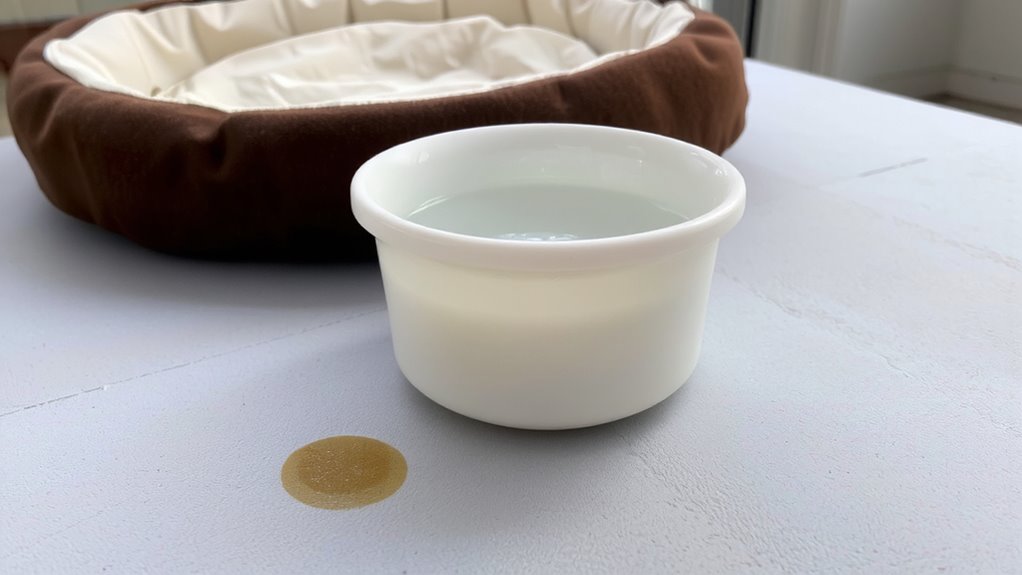
A pet with urinary incontinence is at higher risk for dehydration, and recognizing the early signs can prevent serious health complications. Check your pet’s gums daily-dry gums indicate poor hydration. Moist tissue is slick and pink; dry gums feel sticky and pale, signaling fluid loss. Sunken eyes are another key symptom. Orbital recession occurs when fluid volume drops below 10%, reducing pressure behind the eyeball. You’ll notice a hollow look, especially when viewing from above. Skin elasticity also declines-gently lift the scruff; slow recoil means dehydration. Monitor water intake using a calibrated bowl to track volume. Most dogs need 50–60 ml/kg daily; cats require 40–50 ml/kg. A 10-kg dog should drink about 500 ml per day. Early detection with these metrics supports prompt care. Act fast-hydration imbalances worsen quickly in incontinent animals due to involuntary fluid loss.
Avoid Overhydration Without Health Risks
Balancing hydration in pets with urinary incontinence means preventing both fluid deficit and excess. Overhydration can lead to electrolyte imbalance, disrupting sodium and potassium levels critical for nerve and muscle function. Excess water dilutes these electrolytes, potentially causing vomiting, lethargy, or seizures. Your pet’s kidneys must filter more fluid than necessary, increasing kidney strain over time. This chronic stress reduces nephron efficiency, impairing long-term renal function. Healthy kidneys process approximately 20–40 ml of water per kilogram of body weight daily; exceeding this without medical need risks harm. You should monitor drinking patterns and urination volume closely. For most incontinent pets, maintaining baseline hydration-without pushing fluids-is safest. There’s no therapeutic benefit to superfluous intake. Avoid free-access water increases unless directed by a vet. Preventing overhydration protects internal balance and supports organ longevity.
Set a Hydration Schedule for Fewer Leaks
When pets have urinary incontinence, timing their water intake can reduce accidents without risking dehydration. Water timing is essential for effective leak prevention. Offer measured portions at consistent intervals-typically every 4–6 hours-to regulate bladder filling. Restrict water access 1.5 to 2 hours before bedtime or crating to minimize overnight leaks. Provide 50–60 ml of water per kilogram of body weight daily, adjusting for activity and temperature. Use spill-proof bowls and track intake with a log or smart feeder that dispenses preset amounts. Avoid free-access hydration, which overwhelms compromised sphincters. Instead, structured hydration supports bladder control while maintaining renal function. This method aligns with veterinary urology guidelines for managing incontinence. Consistent scheduling reduces urgency episodes by up to 40% in clinical studies. Water timing doesn’t eliminate incontinence but enhances comfort, hygiene, and containment efficiency when paired with absorbent bedding and scheduled walks.
On a final note
You must balance hydration and incontinence carefully. Restricting water worsens urinary health; unrestricted access risks leaks. Use leak-proof dog diapers with absorbent cores-300–500 ml capacity per use-changed every 4–6 hours. Monitor intake: 50–60 ml/kg/day is ideal. Signs like dry gums or >10% skin tenting indicate dehydration. Schedule water: offer 75% of daily volume in 12 hours, then taper. Smart hydration reduces accidents without compromising renal function.