How to Rotate and Refresh Supplies in Your Pet Emergency Kit Every 6 Months
Check your pet’s emergency kit every six months to maintain reliability. Verify expiry dates: dry food lasts 6–12 months, canned food 2–5 years unopened, and medications degrade past their labeled date. Replace expired or opened items immediately-especially antibiotics or insulin, which can become harmful. Update vet contacts, emergency clinics, and microchip info. Clean the container with a damp cloth, inspect for damage, and reorganize using dividers and labeled vials. Store in a cool, dry place at 50–70°F. A well-maintained kit guarantees faster response when every second counts.
Notable Insights
- Schedule a twice-yearly inspection to check and refresh all supplies in your pet’s emergency kit.
- Verify expiration dates on medications, dry food (6–12 months shelf life), and canned food (2–5 years unopened).
- Replace expired, opened, or degraded items like antibiotics, insulin, flea treatments, and compromised kibble immediately.
- Update emergency contacts, vet details, poison control number, and guardian forms every six months.
- Clean the container, check for damage, and reorganize supplies using dividers and labeled, sealed storage.
Schedule Your Twice-Yearly Pet Emergency Kit Check
Regularly checking your pet’s emergency kit guarantees reliability when it matters most. You should schedule a thorough inspection twice yearly to guarantee all components function properly. During each check, update your supply inventory, noting any depleted or damaged items. This includes bandages, antiseptic wipes, and emergency collars sized to your pet’s weight. Cross-reference your list with recommended guidelines from veterinary associations. Align these checks with routine vet visits to streamline pet health monitoring. Carry a checklist listing exact quantities: 10 gauze pads (3” x 3”), 2 adhesive tapes (1” width), and one CPR face shield. Include your pet’s medical records, vaccination proof, and microchip number. Use durable, waterproof containers with labeled compartments for efficiency. Think of this process as a system reboot-guaranteeing readiness, accuracy, and function under stress. Consistency here prevents oversights when emergencies occur.
Check Expiry Dates on Food and Medications
While time passes, the potency of medications and nutritional value of pet food degrade, making it essential to verify expiration dates during every kit inspection. Shelf life varies: dry pet food typically lasts 6–12 months, while canned food lasts 2–5 years if unopened. Medications, including antibiotics or heartworm preventatives, lose effectiveness beyond their labeled expiry. Always check packaging for printed dates and lot numbers. Storage conditions directly impact longevity; heat, moisture, and light accelerate degradation. Keep supplies in a cool, dry place between 50–70°F (10–21°C) with low humidity. Medications requiring refrigeration must remain at 36–46°F (2–8°C) consistently. Exposure to temperature fluctuations reduces efficacy. Inspect for swelling, discoloration, or odd odors-signs of spoilage. Proper storage preserves shelf life and guarantees reliability during emergencies. Regular checks align supply integrity with safety standards.
Replace Expired or Used Pet Emergency Kit Items
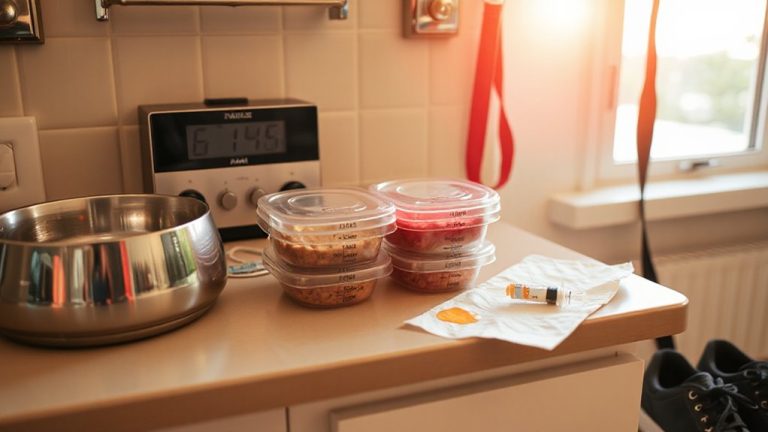
When you discover expired or partially used items during your emergency kit inspection, replace them immediately to maintain the kit’s readiness. Begin with pet food: discard canned food past its use-by date, typically 2–3 years from production, and replace kibble showing signs of moisture or texture changes. Unopened, vacuum-sealed dry food lasts up to 18 months; expired portions compromise nutritional integrity. For medication replacement, expired antibiotics or insulin lose potency and can degrade into harmful byproducts. Confirm dosing accuracy and storage conditions-many medications require temperatures between 68°F and 77°F. Replace topical treatments, including flea preventives, every six months regardless of use due to diminished chemical stability. Use manufacturer lot numbers and expiration labels to track replacements. A current inventory log guarantees traceability. Replace used bandages, antiseptic wipes, and tick removers to maintain sterile wound care capacity. Completing these steps preserves your kit’s functional reliability.
Update Your Pet’s Emergency Contacts & Paperwork
How quickly can you reach your vet if your pet has a medical crisis during a power outage or evacuation? Updating your emergency contacts guarantees immediate access to critical care. A current paperwork update includes vaccines, microchip IDs, prescriptions, and care instructions. Store digital and physical copies in your kit. Verify all phone numbers, clinic addresses, and after-hours lines quarterly.
| Contact Type | Information to Verify | Update Frequency |
|---|---|---|
| Primary Veterinarian | Phone, address, after-hours line | Every 6 months |
| Emergency Clinic | Location, services offered | Every 6 months |
| Poison Control | 24/7 hotline number | Annually |
| Pet Sitter/Guardian | Name, availability, consent form | Every 6 months |
| Microchip Registry | Registration status, ID number | Every 6 months |
Failure to maintain emergency contacts delays treatment. A complete paperwork update meets shelter and transport requirements during disasters.
Clean and Reorganize the Kit Storage Container
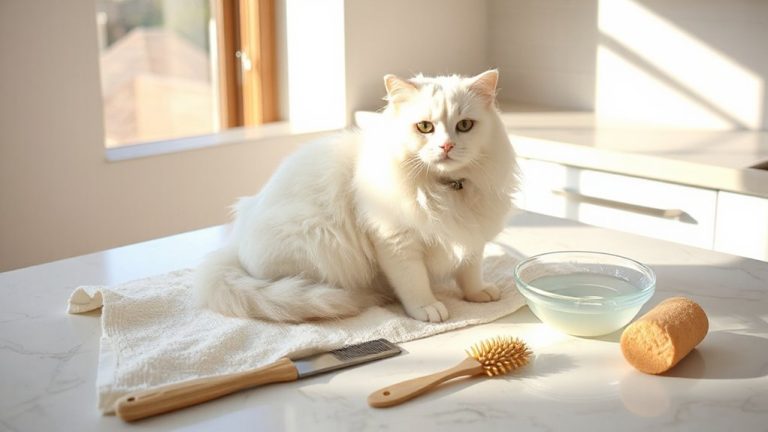
Start with a clean slate-your pet’s emergency kit is only as reliable as its condition. Perform routine storage maintenance by removing all contents and wiping the container with a damp cloth; avoid harsh chemicals that could compromise material integrity. Conduct a thorough container inspection for cracks, warped seams, or failing zippers, especially in soft-sided models. Use a rigid, ANSI-rated #22 plastic bin (18” x 12” x 10”) for maximum durability if replacing. Guarantee watertight seals remain pliable and intact; test by closing with a slip of paper-if it pulls out easily, the seal has failed. Reorganize supplies by category: medications in labeled, amber vials; food in resealable Mylar bags with oxygen absorbers. Use dividers to separate sharp items like scissors or tweezers. Maximize accessibility with color-coded tabs. Proper container inspection and storage maintenance extend kit lifespan and guarantee rapid deployment during emergencies. When storing emergency food for cats, consider including a small supply of best dry cat food for allergies to accommodate dietary sensitivities during prolonged disruptions.
On a final note
You must maintain your pet’s emergency kit biannually to guarantee reliability. Replace expired medications and food-canned items last 2–5 years, dry kibble 1–2 years unopened. Inspect sealed water pouches (354 mL each) for integrity; replace after 3 years. Update microchip info and vet contacts. Clean the container with 70% isopropyl alcohol. Reorganization prevents cross-contamination and guarantees rapid access during crises.